Performing nail services requires you to sit all day, and staying in one position too long is one of the risk factors for developing vein diseases, such as varicose veins. Age, diet, weight, and other factors also play into the odds. Learn to identify your risk factors and recognize and treat these unsightly, sometimes painful veins.
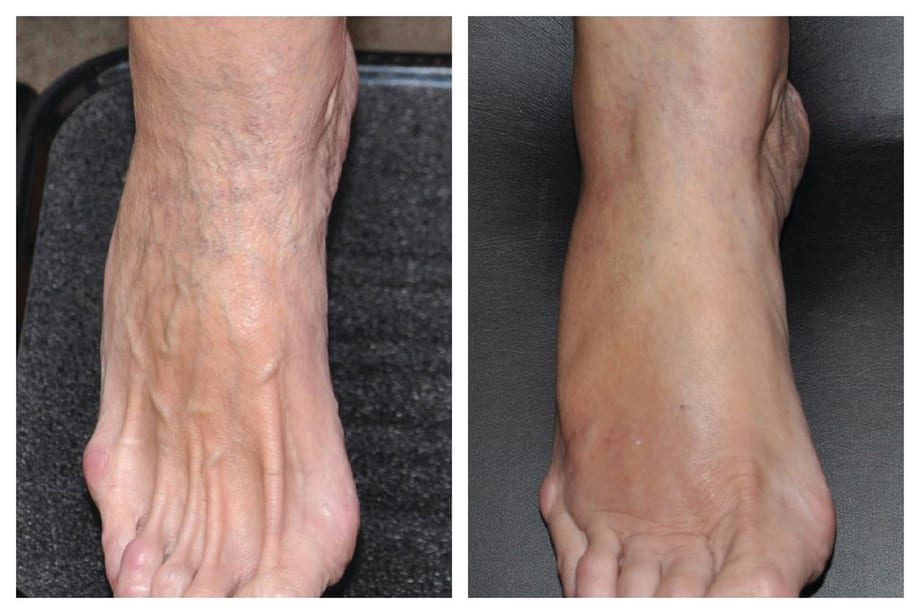
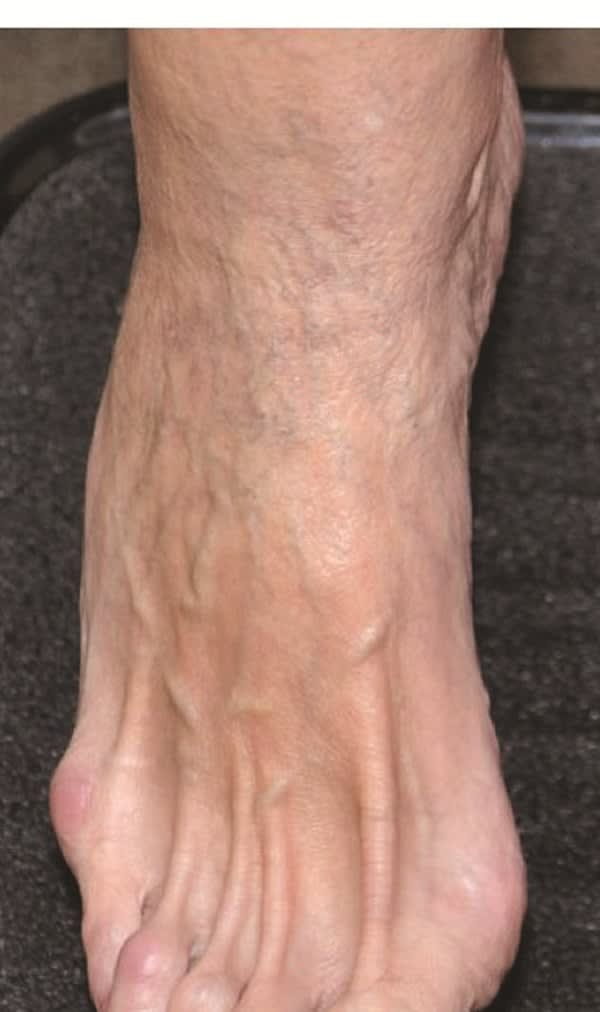
Expert Opinion: Vein disease most commonly presents as varicose veins — gnarled, enlarged veins that are found mostly on the legs and feet — and spider veins, which are a common, milder form of varicose veins. For many people, these veins are simply a cosmetic concern; for others, varicose veins can cause much pain and discomfort, and may even signal overall circulatory problems. For this reason, it’s important to consult with a physician if you are experiencing a sudden or increased number of varicose veins. According to Larisse K. Lee, MD, RPVI, founder and medical director of L.A. Vein Center in Los Angeles, there are many risk factors for venous disease. These include heredity, pregnancy, female gender, aging, obesity, and sedentary occupation. People who stand or sit for prolonged periods are at higher risk for developing varicose and spider veins, so nail techs often suffer from this condition.
Lee says that varicose and spider veins are often the symptom of an underlying venous disorder called venous reflux. This condition occurs when one-way valves in the veins become damaged, which allows blood to flow backward toward the feet. Venous reflux can result in symptoms such as leg pain, fatigue, heaviness, itching, cramping, and restless legs. It can also cause physical changes to the legs including spider veins, varicose veins, and leg swelling. “In more advanced cases, people can develop skin changes, including thickening and darkening of the skin near the ankle, which can ultimately develop into venous stasis ulcers,” says Lee. “The skin damage tends to be irreversible, so treatment prior to this stage is preferable. Also, some people can develop bleeding or blood clots from their varicose veins.”
The good news, according to Lee, is that treatment for symptomatic varicose veins has advanced significantly in the past decade. Treatment is minimally invasive now, performed under local anesthesia in less than an hour, allowing patients to get back to work and their normal lives quickly.
Tips for preventing and treating vein disorders: > The best ways to prevent varicose veins are to wear compression stockings, elevate the legs, walk frequently, exercise, avoid sitting or standing in one position for more than 30 minutes, and maintain a good diet and healthy weight. > To correct the underlying venous reflux, the problematic vein is closed in a procedure called endovenous ablation. Bulging varicose veins are then removed through tiny incisions in a procedure called phlebectomy. For spider vein treatment, sclerotherapy is performed, which involves injections to seal the veins, or laser therapy.
Tech Tips: Since I started doing nails three years ago, I have developed a few spider veins on my thighs and one large varicose vein behind my knee. I also had a baby eight months ago, so I’m sure the combination of sitting all day and my pregnancy contributed to it. They aren’t really painful or itchy, but I do feel self-conscious about them when I’m wearing a shorter skirt or bathing suit, so I’m planning on getting surgery to remove them soon. It’s a lot more affordable than I thought and totally worth it to me. Kimberly Johnson Nails by Kim, Sarasota, Fla.
I have benign vascular tumors on several parts of my body, mostly my legs, arms, and my left buttock. They are like large purple/blue bruises, but they never go away and only get larger. These tumors are sometimes painful randomly or if I hit them on a chair leg or something. They also sometimes throb if I’m too hot. I have had them operated on so the pain is very rare now, but I’m careful about sitting for long periods of time when doing nails. My best advice for anyone with vein disorders is to move around as often as possible to keep circulation moving. Alayna Josz, Salon Salon, New London, N.H.
Suggested Reading: Say Goodbye to Varicose & Spider Veins Now! By Greg Martin, MD Since 1986, Martin has performed more than 6,000 varicose vein procedures and tens of thousands of spider vein procedures. In an engaging and understandable style, Martin discusses risk factors and symptoms of leg vein disease, offers some preventive measures, and explains the latest treatment procedures. Supplementary illustrations also help readers visualize what occurs when veins are not functioning properly. This book is an excellent resource for anyone suffering from vein disease.
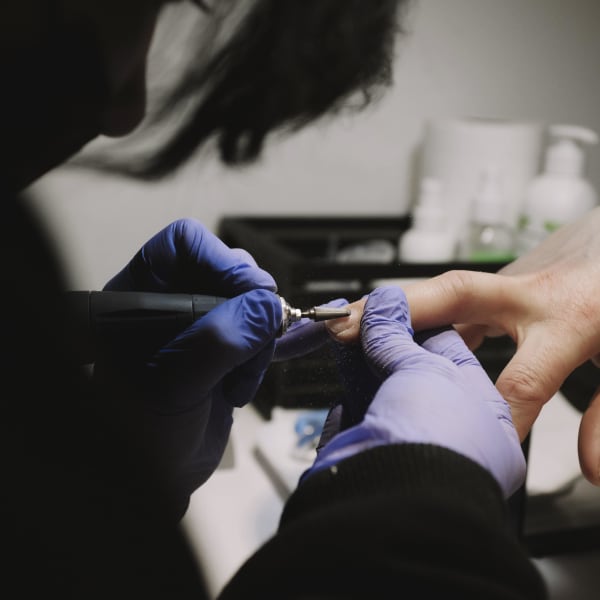
Uncured gel polish and microscopic e-file dust contain active acrylates that penetrate the skin, triggering permanent contact dermatitis. Learn the chemistry behind these irritants and how to protect your clients and yourself.
The Good Patch is a leading wearable wellness patch brand, offering wellness and skincare patches that support everyday needs including energy, sleep, relaxation and more.
Orthopedic PT reveals three daily exercises plus ergonomic advice that can help salon professionals avoid the aches and injuries caused by standing, bending and repetitive overhead work.
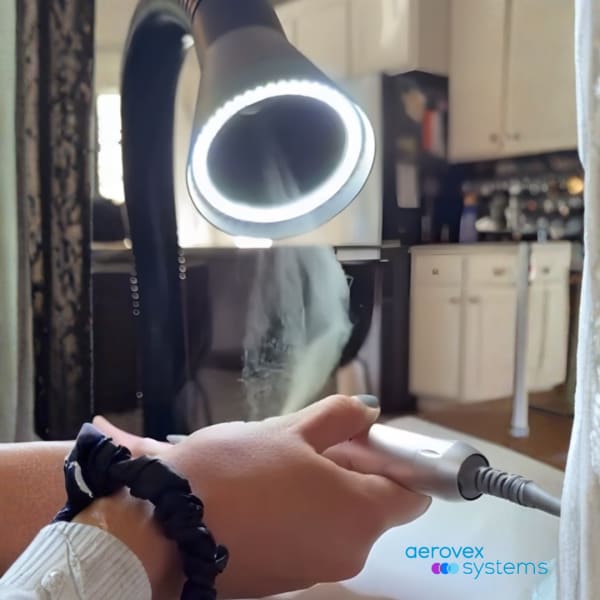
From acrylic monomers to airborne bio-dust, the air inside a nail salon carries risks most professionals never see coming. Aerovex Systems reveals the source-capture and room-purification strategies that are setting a new standard for salon safety.
Working in beauty doesn’t have to hurt. Learn how Somatic Movement helps hairstylists, lash artists, and other beauty pros release tension, improve posture, and extend their careers.
As a spa or salon professional, your clients expect more than just beauty—they expect safety, hygiene, and peace of mind. Fungal infections like Athlete’s Foot and Nail Fungus are more common than you think, especially in environments where tools and footbaths are reused without proper sanitation. This blog covers how to stop these issues before they start, using proven infection prevention strategies for salons and spas.
A federal initiative aimed at studying chemical exposure in nail salons has ended due to staffing and budget changes. Here’s what the project set out to do—and what its conclusion means for salon professionals.
For many people, a pedicure is a relaxing beauty ritual. But what most don’t realize is that this simple service, if done without proper hygiene and sanitation, can cause serious infections and long-term health issues.
Onycholysis is the separation of the nail plate from the nail bed. While it may look painful, it typically isn’t—at least not at first. But without proper care, this common nail disorder can lead to infections, deformities, and long-term damage.
Mckenzie Kool, Psychologist, MC, RPsych provides us with guidance on what may or not be helpful in speaking with someone who has suffered a significant loss.
Clients come to you to feel their best—not leave with a viral souvenir. Warts and cold sores can spread fast in busy salons, but a few smart habits make all the difference. Let’s talk about what’s really lurking in your salon (and how to kick it to the curb).
As Earth Day approaches, The Green Beauty Community Foundation and the Green Spa Network invite beauty pros to step forward and embrace sustainability through the Green Pledge--a powerful initiative designed by and for beauty industry leaders.
Don’t cancel Valentine’s Day altogether, urges Jill Palmquist. Instead, think of it as a (frilly, flowery, Champagne-bubbly) wake-up call to fall deeply in love with your own life.
Life coach and Culture Ambassador of Sam Villa, Andrew Carruthers, outlines how to tell if your burnout is temporary - or if it's time to make a bigger career change.