Have you ever wondered how our eyes see color and if everyone sees it the same way? Here’s some insight into how color really works and how to use it to your best advantage.
Everyone loves color. Color affects our moods and even our physiology: It can make us happy, stimulate our appetites, energize us, calm us, or even make us sleepy. As a nail tech, you’re even more immersed in color than most people; for a good part of every day, you are working with color — considering it, choosing it, and applying it to fingernails and toenails in an endless variety of hues. But why do some people love certain colors while others are averse to them? And how exactly do we see color?
The Science Color is actually a collaboration between our eyes and our brains, according to pantone.com. The human eye has millions of tiny light receptors that transmit information to our brains, and our brains translate this information into various colors. Objects do not inherently possess color; rather, an object’s surface reflects certain colors and absorbs others — depending on the quality of the object’s surface — and the human eye perceives this light reflection or lack thereof as color. A bunch of cherries, for example, is not in itself red, but is reflecting the wavelengths we see as red.
Those reflected wavelengths are processed by the eye’s light receptors into nerve impulses, and our optic nerve sends the impulses to our cortex. The light receptors are of two types — rods and cones — and each perceives different types of information or light. We have more than 120 rods in each eye, which perceive mostly black and white. We have about six million cones in each eye, which transmit the long, medium, or short wavelengths of light that allow us to perceive thousands of colors: red, green, blue, and everything in between.
Ad Loading...
But what about so-called “color blind” people? According to Web MD, our cone receptors perceive different amounts of the three basic colors: red, blue, and green. When we lack one of these types of cones or they are impaired, we may not see one of these three basic colors, or they may appear as off-shades or different colors entirely. Usually color blindness is genetic, but it can also happen as a result of injury to the eye or acquired eye diseases, such as cataracts. Worldwide, color blindness affects about one in 12 men, and one in 200 women, according to colourblindawareness.org.
Do You See What I See? Why do people have color preferences? Is the way we see color subjective? In other words, is the blue I see the same blue you see?
“There is a lot of variability in how people see color but if you call something the same color as someone else, they are probably seeing something very similar to what you see,” explains Jay Neitz PhD, Bishop Professor at University of Washington School of Medicine and founder of neitzvision.com.
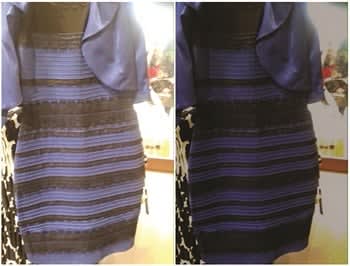
Colors seen most differently are in the blue-green part of the spectrum, Neitz says. A color that has some blue and some green in it can look nearly pure blue to one person and nearly pure green to another. This leads to arguments because one person will insist the color is blue and the other will say it’s green. And small things can affect how we see colors. Remember the photo of the blue/black or white/gold striped dress that was floating around the Internet last year? It’s a perfect example. “The dress really was whiter near the upper right shoulder and bluer near the left hem,” says Neitz. “If a person’s attention is first drawn to the shoulder, they are more likely to see it as white. Also, people are influenced by the color of light they think is falling on the dress; if the surroundings in the photo make a person think that the light falling on the dress is bluish then they attribute the blue color in the dress to the lighting and would tend to see it as white. The dress was a ‘perfect storm’ of little things that all add together to make for big differences in perception.”
Is it possible we are really seeing two different colors but we’ve learned to call them the same name? “It’s fun to think about how two people might be seeing totally different colors but call them the same name,” says Neitz. “But color is more powerful than language. Each color has its own effect on us and it is quite universal. Warm colors like yellow, orange, and red are exciting and invigorating. Blues and violets are calming. The effect colors have on us is fascinating. Colors can inspire a sense of great beauty or joy. They can also be disgusting. They can convey a huge amount of information, like a subway map. And they can be awe-inspiring like an amazing sunset or a scene of autumn leaves.”
And here’s something else to ponder: There are colors in existence that humans cannot see. Ultraviolet light, for example, can’t be perceived by humans, but it can be seen by many birds, fish, and some insects, most notably bees. “Our color vision is very limited,” says Neitz. “There are many possible colors we don’t see.”
Ad Loading...
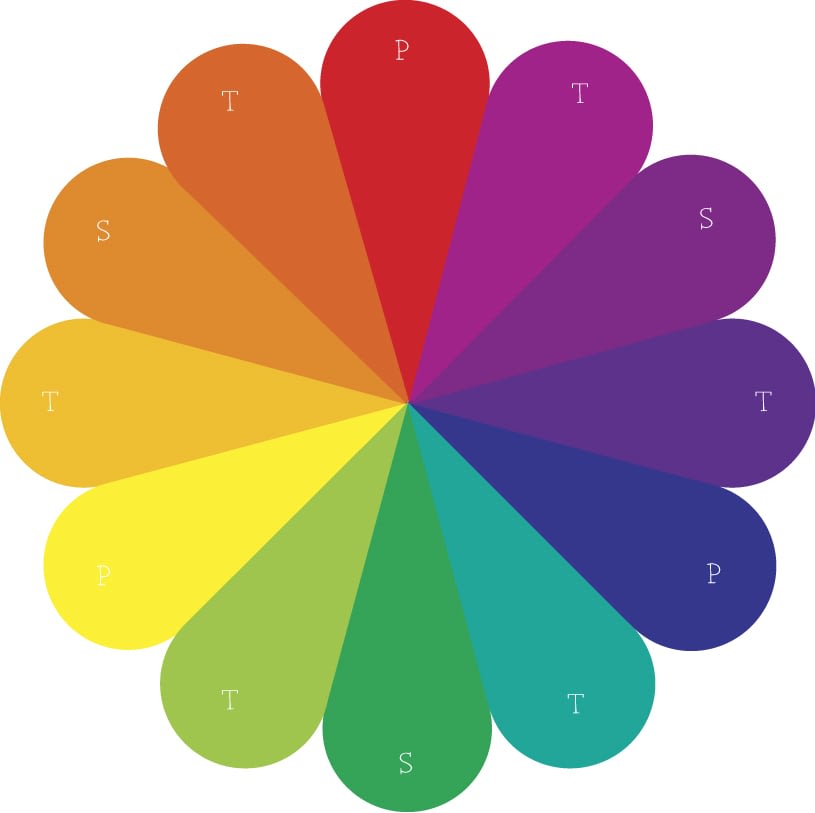
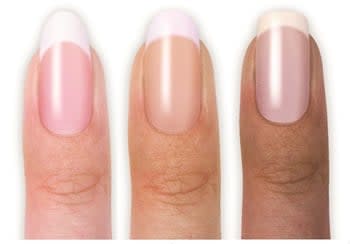
Color Theory Choosing the right shades for a client’s skin tone is both a science and an art. It’s important to take into consideration whether a client has fair, medium, or dark skin, and also the skin’s undertone — is it cool or warm? Look at a client’s eye color and natural hair color to establish undertones. You can also look at the veins on the inner wrist: If they appear blue, undertones are likely cool; greenish appearing veins indicate warm undertones. Below is a quick reference for which colors will suit which skin tone best.
Cool Undertones
Fair Skin: Avoid very dark colors. Look for colors with a blue undertone in light to medium shades of pink and red. Silver is also a good choice. Avoid yellow, gold, and green.
Medium Skin: Avoid black and orange. Opt for pale cool shades, such as mauve, blue and lavender.
Dark Skin: Avoid yellow, green, beige, and brown. Deep cool tones such as berry and grape, and jewel tones like navy and bright pink work best.
Ad Loading...
Warm Undertones
Fair Skin: Avoid very dark blues and greens. Try warm pink, orange, coral, and beige.
Medium Skin: The best colors are ones with very yellow undertones, like gold, copper, and caramel. Bright coral is especially flattering on warm, tan skin tones.
Dark Skin: This is the most versatile skin tone and looks good in almost any color. Deep jewel tones — purple, ruby red, dark green — work especially well.
Uncured gel polish and microscopic e-file dust contain active acrylates that penetrate the skin, triggering permanent contact dermatitis. Learn the chemistry behind these irritants and how to protect your clients and yourself.
The Good Patch is a leading wearable wellness patch brand, offering wellness and skincare patches that support everyday needs including energy, sleep, relaxation and more.
Orthopedic PT reveals three daily exercises plus ergonomic advice that can help salon professionals avoid the aches and injuries caused by standing, bending and repetitive overhead work.
From acrylic monomers to airborne bio-dust, the air inside a nail salon carries risks most professionals never see coming. Aerovex Systems reveals the source-capture and room-purification strategies that are setting a new standard for salon safety.
Working in beauty doesn’t have to hurt. Learn how Somatic Movement helps hairstylists, lash artists, and other beauty pros release tension, improve posture, and extend their careers.
As a spa or salon professional, your clients expect more than just beauty—they expect safety, hygiene, and peace of mind. Fungal infections like Athlete’s Foot and Nail Fungus are more common than you think, especially in environments where tools and footbaths are reused without proper sanitation. This blog covers how to stop these issues before they start, using proven infection prevention strategies for salons and spas.
A federal initiative aimed at studying chemical exposure in nail salons has ended due to staffing and budget changes. Here’s what the project set out to do—and what its conclusion means for salon professionals.
For many people, a pedicure is a relaxing beauty ritual. But what most don’t realize is that this simple service, if done without proper hygiene and sanitation, can cause serious infections and long-term health issues.
Onycholysis is the separation of the nail plate from the nail bed. While it may look painful, it typically isn’t—at least not at first. But without proper care, this common nail disorder can lead to infections, deformities, and long-term damage.
Mckenzie Kool, Psychologist, MC, RPsych provides us with guidance on what may or not be helpful in speaking with someone who has suffered a significant loss.
Clients come to you to feel their best—not leave with a viral souvenir. Warts and cold sores can spread fast in busy salons, but a few smart habits make all the difference. Let’s talk about what’s really lurking in your salon (and how to kick it to the curb).
As Earth Day approaches, The Green Beauty Community Foundation and the Green Spa Network invite beauty pros to step forward and embrace sustainability through the Green Pledge--a powerful initiative designed by and for beauty industry leaders.
Don’t cancel Valentine’s Day altogether, urges Jill Palmquist. Instead, think of it as a (frilly, flowery, Champagne-bubbly) wake-up call to fall deeply in love with your own life.
Life coach and Culture Ambassador of Sam Villa, Andrew Carruthers, outlines how to tell if your burnout is temporary - or if it's time to make a bigger career change.