





The Beauty Pro Book Club: 4 Reads to Inspire Growth and Success
Four publications for beauty industry professionals to enhance their leadership skills, financial awareness, professional growth, and joy!
by Anne Moratto


 MENU
MENU SEARCH
Five o’clock isn’t necessarily quitting time for all techs, stylists, and massage therapists. Salons and spas across the country have started tapping into new markets by staying open late — and not just 7 p.m. late, but 9, 10, or even 12 a.m. late.


Everywhere from New York to Missouri to Texas to California, salons and spas are truly doing the night thing. These late-night businesses are catering to a work-hard, play-hard crowd and are sparking a new trend in the beauty industry.
Beginning on the East Coast a few years ago, this non-traditional-hours movement has been catching on in cities big and small. And this batch of businesses aren’t just accommodating clients with their hours; they’re also giving them an atmosphere that fits their after-work wants: upbeat music and sometimes a little bit of alcohol.
And although they’re fairly new to the beauty scene, these nocturnal nooks definitely haven’t been kept in the dark. They’re attracting clients by word-of-mouth, local media coverage, and simple advertising — often, the salon’s name is enough of an advertisement to tell potential clients of their late-night appeal (Would you expect a place named Nitespa to close before 6 p.m.?). Many have even gained national prominence when local stories were picked up by national newspapers or with mentions in Lucky’s April story “Late Night Salons & Spas.”
However they find out about these nighttime salons, clients are showing their pleasure with them by putting down the cash. These clients get the services they want at the hours they need, employees have more flexibility, and owners are making more money. So, unless they’re used to passing out on the couch after the first round of “Jeopardy!,” everyone wins.
Clients Come Out at Night
Who wants to get a haircut at 9 p.m. or a manicure at 10? The same people who get to work before the boss, leave after everyone’s been long gone, and like to unwind with friends over a cocktail or two.
“It’s that up-and-coming mid-20s, early-30s crowd who are trying to prove themselves by working hard and working late and need those late hours,” says Lisa Robertson, Salon Pompeo’s salon coordinator. Dallas’ Salon Pompeo is open from 9 a.m. until 10 p.m. for four days of its six-day schedule. “The evenings are primarily young professionals, the see-and-be-seen crowd.”
Lisa Ofornio, owner of Twilight Hair Salon in Boston, says, “I tried to accommodate working clients as much as I can. Because everyone works late these days, I figured it’s easier to stay open later than open earlier.”
Although single, young professionals are the majority of late-night clients, they aren’t the only ones getting primped after dark. Many others have found the benefits of late, late hours. Working parents are one of the other main groups of clients. “It’s attracting working mothers and a lot of single moms,” says Bernard’s Salon & Day Spa owner Anthony Rossano. These Cherry Hill, N.J., parents can’t come in for an early appointment or right after work. Thus, the nighttime beauty fixes work well in their schedules; they don’t miss any cherished time with their children because the kids have already been put to bed by the time they leave for the salon. And it’s definitely easier to get a partner, family member, or babysitter to watch the kids when they are fast asleep. So, Bernard’s 12 a.m. closing time Monday through Thursday is ideal for them.
Other late-night clients include students, shift workers, and men. “My men’s services have doubled,” says Rossano. “Men feel more comfortable then, and we’re able to do more office parties at night too.”
So, although these salons and spas began offering extremely extended hours to cater to the young professionals, they’re finding they’re also attracting other clients they hadn’t seen as much of during daylight hours.
Nesting Places for Night Owls
Location is one of the most important factors in making the late-night salons work. Because of the clients they’re catering to, these salons and spas are parking themselves in up-and-coming neighborhoods already deemed hip by their target clients. They’re often in areas with much foot traffic — including traffic headed in and out of bars, clubs, and lounges.
The one-year-old Nitespa, just outside of Los Angeles in Venice, Calif., is a prime example of a late-night spa capitalizing on its locale. The spa is just off Venice’s busy street, Abbot Kinney, which is home to vintage clothing stores, small eateries, and kitschy bars. Those wandering away from the other businesses often find themselves on NiteSpa’s front porch. “We have a lot of people visiting and stopping by,” says owner Michael MacLachlan.
Across the country, Red Market, a full-service salon in New York City’s meat-packing district, is experiencing similar benefits from its location. “The meat-packing district is full of bars, clubs, and restaurants,” says Nikki Goldberg, a colorist at Red Market. “At 3 a.m., it will still be packed. These days, anyone who visits Manhattan wants to hang out in the meat-packing district.”
In cities smaller than L.A. and New York, location is still just as, if not more, important. After Midnight Full Service Salon serves Springfield, Mo.’s late-night needs. Close to businesses and a few bars, After Midnight opens after noon and stays open until (aptly) after midnight. One big reason the location is great for After Midnight, “We have no noise restrictions at night,” says owner Midnight Dolan, who keeps the salon rocking late into the night with customers and kids pounding away on the drums or guitar he has in the salon.
What It’s Like Late at Night
Although salon and spa experiences are supposed to be relaxing, late-night relaxing is different from business-hours relaxing. A lounge-like atmosphere rules, and alcohol and music are the keys to building an environment that allows clients to take it easy without wanting to take a nap.
“Once five o’clock rolls around, the dynamic totally changes,” says Pompeo’s Robertson. “It’s very upbeat, and the energy is really high.
“We have cool eclectic music going on,” she adds. They also have a beer and wine license. “Drop-in clients can sit and have a glass of wine and wait to be worked in.” Although they’ve always been licensed to serve alcohol, their sales exploded when they extended into late hours a year ago.
Red Market also has a lounge-like feel. The salon serves alcohol, and in the summer, clients can sip their drinks on a rooftop deck while waiting for a service or for color to develop.
If they’d rather stay in, “We have plasma TV screens where we play movies and DVDs,” says Goldberg. “We also have a disc jockey for the really busy nights.”
Nitespa also brings in a disc jockey for busy party nights. Housed in a one-floor bungalow, Nitespa’s music talent shares its space with the reception desk, retail area, pedicure platform, and manicure tables. From its conception, Nitespa was intended to be a place for both beauty services and drinks. “We’re more like coming to your best friend’s house,” says MacLachlan of his spa’s lounge-like atmosphere.
However, not all late-night spas and salons serve alcohol; but if they don’t, they still have to be prepared that clients may come in after drinks with friends and coworkers. “I don’t care if customers who have been drinking come in,” says After Midnight owner Dolan, who often plays Christian rock in his salon. Tipsy or not, customers still get the services they need.
Working the Graveyard Shift
Clients aren’t the only ones enjoying the later hours. The nighttime salons often give techs, stylists, and massage therapists flexibility or, at the very least, a little more shuteye. “Employees seem to be pretty cool with it,” says Twilight’s Ofornio. “They don’t have to get up early.”
Jackie DelVecchio, a nail tech who works at Bernard’s on Tuesday nights, agrees, “I absolutely love the nighttime hours. I’m a night person at heart.”
Rossano says his employees like the hours, mostly for the flexibility with two shifts. “It gives working mothers more options,” he says. “They may not have to pay for child care.”
It also works out well for employees and renters who like to work twice as hard. Red Market’s Okie Yun says, “It’s great for me. I can do photo shoots during the day and work at the salon in the evenings.”
Making Money from the Dark Side
When customers and employees are happy, there is usually money to be made. And this is definitely the case with after-hours beauty businesses.
Now in its fourth year of late-night operation, Twilight Hair Salon is open from 12 p.m. until 10 p.m. four days a week. “Our evenings are almost always booked,” says Ofornio. “If there’s a slow time in the day, it’s usually early on.” Ofornio estimates that 70% of her salon’s profits come in during the last four hours of the day.
Bernard’s nail tech DelVecchio only works one night each week, but keeps busy until the end. “Tonight I’m booked until 11 p.m. with no openings,” she said on a recent Tuesday. Even within that schedule, though, she finds time to work in walk-in clients because Bernard’s, with its 125 employees, has a policy of never refusing clients services. “We’ll always be able to fit somebody in,” she says, “and it’s going to be a quality service.”
And in the end, it’s the services that keep the clients coming back. Although 75% of Nitespa’s profits come in after 6 p.m., MacLachlan says the spa is making more daytime appointments. “People are looking for good places that do quality work,” he says. Lucky for clients, employees, and owners, now those places that do quality work are open late, too.
Four publications for beauty industry professionals to enhance their leadership skills, financial awareness, professional growth, and joy!
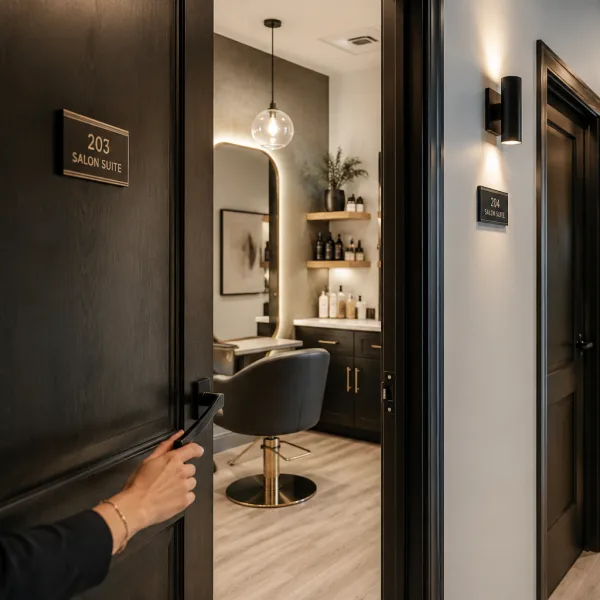
The most successful salon suites balance personality, function, and comfort. Megan Communale of My Salon Suite shares her best advice for designing a space that supports your business goals and leaves a lasting impression on every guest.
Square data shows that regular customers tip 11% higher and are shared across 32% of businesses in the same ZIP code, driving thousands of dollars in additional revenue per connection.
When Bowie Lau and Jeffrey Ching opened JBW Jeffrey Ching Salon in 2011, they weren’t just launching another luxury hair destination—they were building a business rooted in passion, artistry, and thoughtful growth.
Sponsored by Amex
Inside the Systems That Power an Elevated Salon Experience From seamless online booking to a team-first culture, J Gold Salon in Atlanta offers more than great hair—it delivers consistent, high-touch service with the help of partners like Boulevard and American Express.
Sponsored by Amex

Want to grow your career as a beauty professional? K18 Sales Manager Sabrina Sanborn shares advice on networking, mentorship, and self-advocacy—from attending hair shows to finding the right guidance to reach your goals.

A combination of clear policies, effective communication, and strong client relationships has helped me create a more reliable and efficient booking system.
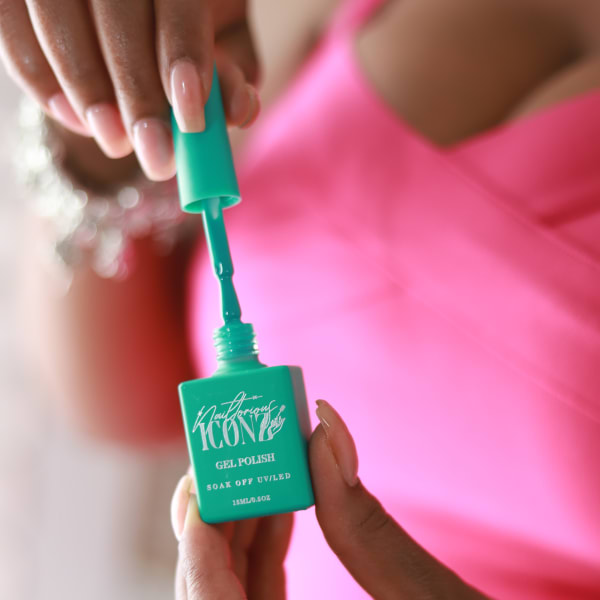
Founded by Cleveland serial entrepreneur Shaura Rodgers, Nailtorious has grown to include a nail supply megastore, training facilities, and retail line for nail techs.
This period after the holidays can bring on a huge lull for hairstylists. We asked Cosmo Prof's team of professionals to offer their best advice on how to deal with the January-February slow period.

Key highlights include a push toward inclusive spaces for all abilities, an emphasis on maximizing livable square footage, and a continued love for modern farmhouse exteriors.
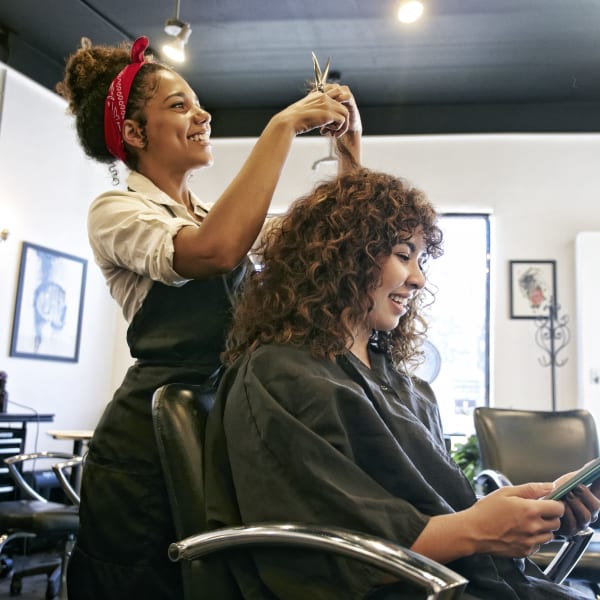
The busy holiday season is here, and with it comes jam-packed days, last-minute client requests and booming retail sales. For many salon owners, the highlight of the season is Small Business Saturday® (SBS). This year on Saturday, November 30, consumers can take their shopping into the small businesses in their communities.
Sponsored by Amex

Want to become savvy about your personal finances, but don't quite know where to start? Anna Manukyan identifies six important concepts for building a strong financial foundation.
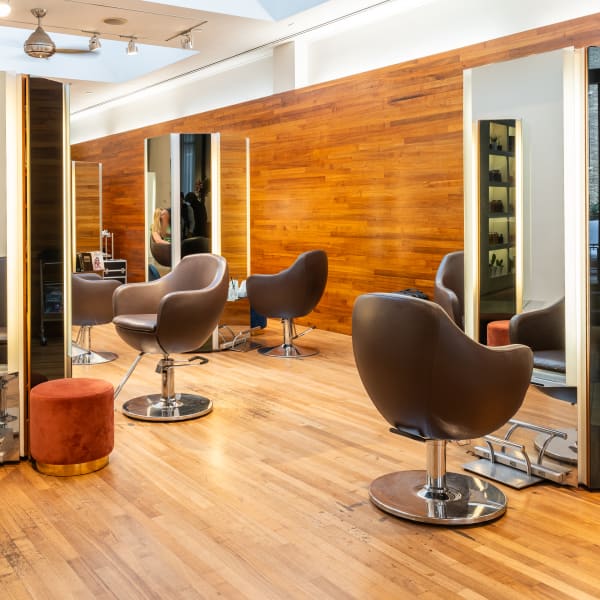
Salon owner Nuri Yurt had a dream of owning a salon on New York City’s Madison Avenue. "Through perseverance, hard work and stellar customer service, he and partner John Kaygisiz founded Toka Salon in 2007.
Sponsored by Amex

This guide is your one-stop shop for a plethora of technology tools, software and services created to keep your salon or spa thriving.

Anna Manukyan shares a breakdown of what different types of financial accounts should be used for.

Vagaro has consistently been at the forefront of salon software technology, helping businesses be more efficient, create more effective communication, and even improve company culture. Now, Connect by Vagaro, the platform’s two-way communication capability, and Vagaro’s new generative AI tools are giving owners new opportunities to grow and expand.
Sponsored by Vagaro

Young Nails' Greg, Habib, and Tracey discuss whether getting too close to clients can damage your business.