6 Ways Self-Love Will Help You Crush Your Goals
From breaking free of external validation to creating joy-based goals, discover a more sustainable and fulfilling path to success.
New gut microbiome research points to a positive impact on memory and mood from peanut consumption.

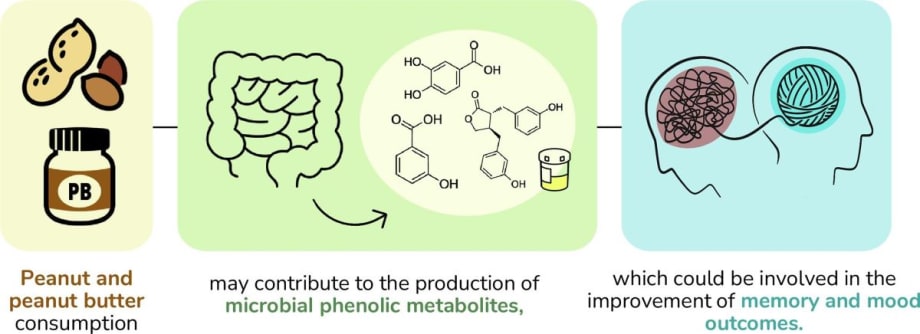
Peanut consumption seems to contribute to the improvement of memory and mood outcomes.
Graphic: Journal of Functional Foods
Research from the University of Barcelona on the gut microbiota has found that daily consumption of peanuts and peanut butter can produce compounds in the gut that help improve memory and reduce stress response, including anxiety and depression, in healthy young adults. Findings from the Aristotle study were published online in theJournal of Functional Foods this September and shared by The Peanut Institute.
The study was conducted to explore what’s known as the gut-brain axis, which is a relatively new area of research that examines the biochemical communication between the gut and brain. The researchers used a novel method to identify phenolic compounds derived from digesting peanuts and peanut butter and how those compounds can promote better brain health.
When compared to the control group, researchers found that those who consumed peanuts and peanut butter had higher levels of microbial phenolic metabolites (MPMs), which are compounds that can cross the blood-brain barrier and reach brain cells to protect them. Earlier results from the Aristotle trial showed that participants who consumed peanuts and peanut butter experienced an improvement in memory and stress response, largely due to polyphenols in peanuts.
The new findings confirm the ability of the gut microbiota to potentially produce compounds from peanut polyphenols that can improve brain response. The study showed that MPMs were associated with an improvement in memory and reduced stress.
“Peanuts and peanut butter may have a beneficial effect on the gut microbiota because they are rich in prebiotic fiber and polyphenols. Due to their very poor absorption, fiber and most polyphenols directly reach the colon, where they are metabolized by the gut microbiota, giving rise to new compounds (MPMs), which can have beneficial effects on the brain."
— Dr. Isabella Parilli Moser, First Author, Aristotle Study
Dr. Sara Hurtado-Barroso, co-author of the study, adds, “Prebiotic substances present in peanuts and peanut butter, such as polyphenols, may positively affect cognition and mood by promoting production of microbial phenolic metabolites.”
The six-month, randomized controlled trial was conducted with 63 healthy participants (44 females and 19 males) who were 18 to 33 years of age. The participants, who were mostly students, were from the University of Barcelona in Spain and consumed either one handful (25 grams) a day of roasted peanuts with skins or two tablespoons (32 grams) a day of peanut butter or two tablespoons (32 grams) a day of a control butter.
The young men and women followed their regular diet and consumed the peanut products at any time of the day. Wine, grapes, dark chocolate with more than 70% cacao, and berries were excluded from the participants’ diets due to their high levels of resveratrol, an antioxidant present in peanuts. In addition, other nuts were excluded from the diet due to similar nutritional composition.
“More and more research is looking at our gut microbiome and how it plays an integral role in affecting our immune system, brain health, and other body functions,” said Dr. Samara Sterling, a nutrition scientist and research director for The Peanut Institute. “These findings are exciting because the students consumed a relatively small amount of peanuts each day but the impact on their memory and mood was statistically significant.”
About the Research:
The research is part of Dr. Isabella Parilli-Moser’s PhD thesis, mentored by Dr. Rosa M. Lamuela-Raventós at the University of Barcelona (Department of Nutrition, Food Sciences, and Gastronomy, XIA, School of Pharmacy and Food Sciences, at the INSA-University of Barcelona and CIBEROBN).
It was supported by funding from The Peanut Institute, PID2020-114022RB-I00 and CIBEROBN from the Instituto de Salud Carlos III, ISCIII from the Ministerio de Ciencia, Innovación y Universidades, (AEI/FEDER, UE), Generalitat de Catalunya (GC) [2021-SGR-00334]. INSA-UB is Maria de Maeztu Unit of Excellence (grant CEX2021-001234-M funded by MICIN/AEI/FEDER, UE). None of the funders had a role in the study design, implementation, analysis, or interpretation of the data or the writing of the manuscript.

Originally posted on Modern Salon

From breaking free of external validation to creating joy-based goals, discover a more sustainable and fulfilling path to success.

From acrylic monomers to airborne bio-dust, the air inside a nail salon carries risks most professionals never see coming. Aerovex Systems reveals the source-capture and room-purification strategies that are setting a new standard for salon safety.
Sponsored by Aerovex Systems

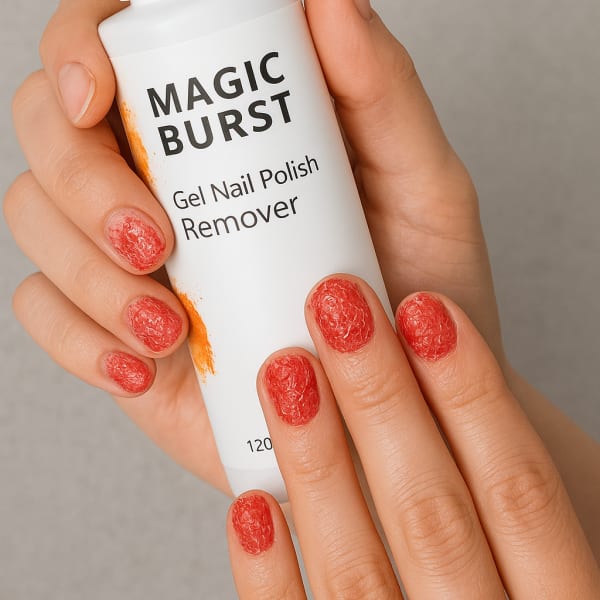
Products marketed as 'magic' or 'burst' gel removers may contain methylene chloride, a federally banned, highly toxic chemical.

Working in beauty doesn’t have to hurt. Learn how Somatic Movement helps hairstylists, lash artists, and other beauty pros release tension, improve posture, and extend their careers.

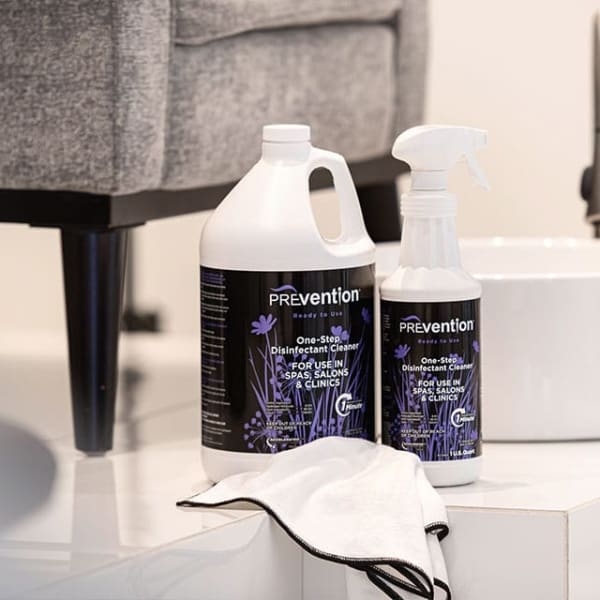
As a spa or salon professional, your clients expect more than just beauty—they expect safety, hygiene, and peace of mind. Fungal infections like Athlete’s Foot and Nail Fungus are more common than you think, especially in environments where tools and footbaths are reused without proper sanitation. This blog covers how to stop these issues before they start, using proven infection prevention strategies for salons and spas.

A federal initiative aimed at studying chemical exposure in nail salons has ended due to staffing and budget changes. Here’s what the project set out to do—and what its conclusion means for salon professionals.

For many people, a pedicure is a relaxing beauty ritual. But what most don’t realize is that this simple service, if done without proper hygiene and sanitation, can cause serious infections and long-term health issues.

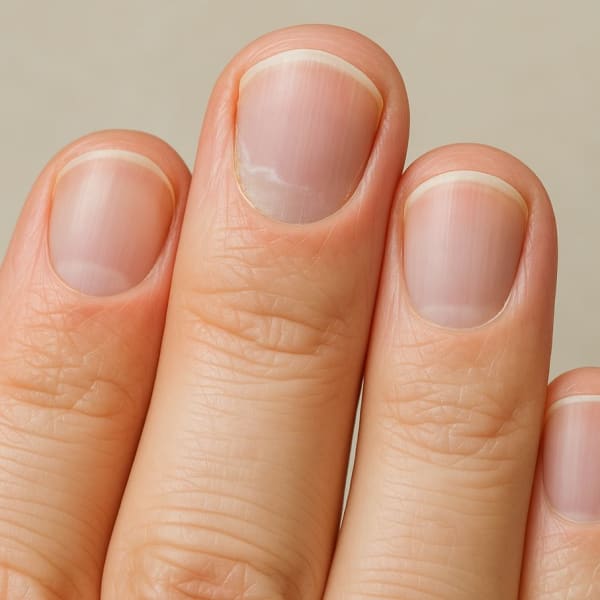
Onycholysis is the separation of the nail plate from the nail bed. While it may look painful, it typically isn’t—at least not at first. But without proper care, this common nail disorder can lead to infections, deformities, and long-term damage.

Mckenzie Kool, Psychologist, MC, RPsych provides us with guidance on what may or not be helpful in speaking with someone who has suffered a significant loss.

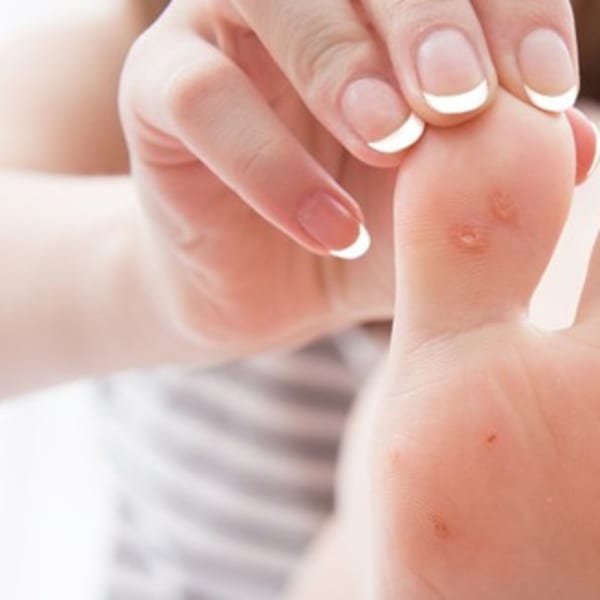
Clients come to you to feel their best—not leave with a viral souvenir. Warts and cold sores can spread fast in busy salons, but a few smart habits make all the difference. Let’s talk about what’s really lurking in your salon (and how to kick it to the curb).

As Earth Day approaches, The Green Beauty Community Foundation and the Green Spa Network invite beauty pros to step forward and embrace sustainability through the Green Pledge--a powerful initiative designed by and for beauty industry leaders.

Don’t cancel Valentine’s Day altogether, urges Jill Palmquist. Instead, think of it as a (frilly, flowery, Champagne-bubbly) wake-up call to fall deeply in love with your own life.

Life coach and Culture Ambassador of Sam Villa, Andrew Carruthers, outlines how to tell if your burnout is temporary - or if it's time to make a bigger career change.

Cancer treatment can create very specific challenges for your guest when it comes to hair, skin, and also nails. Here are some tips for working with your salon client who is going through cancer treatment to help you provide a relaxing, enjoyable, and also safe experience.

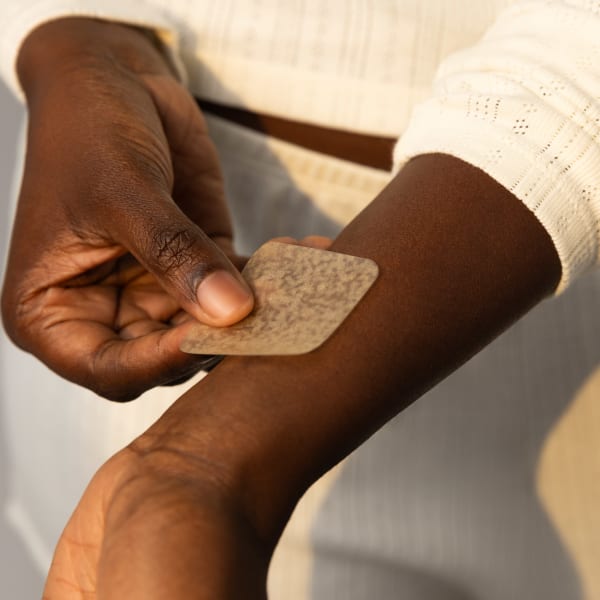
For those clients concerned about exposure from UV lamps, the Sun Patch might be a solution. Sun Patches are waterproof, reusable (up to 10 wears) block 98% of UVA/UVB rays, and maintain their UPF 50+ rating all day long.

One of the most common conditions that affects the nail is onycholysis, which is the separation of the nail plate from the nail bed. Onycholysis occurs as a result of or along with a great variety of nail traumas and disorders. Probably the most common cause of onycholysis is a fungal infection of the nail.

Hairdressing is a physically taxing career integrating simple stretches into your daily routine can reduce the strain repetitive motion puts on your body, help you stay flexible and strong and eventually prolong your career.