Paul Kechijian, M D, is a dermatologist who practices in New York. He is also chief of the nail section and clinical associate professor of dermatology at New York University Medical Center. Dr. Kechijian has written numerous articles and given many presentations on nail diseases and disorders. He is currently writing a chapter on nails for a medical textbook
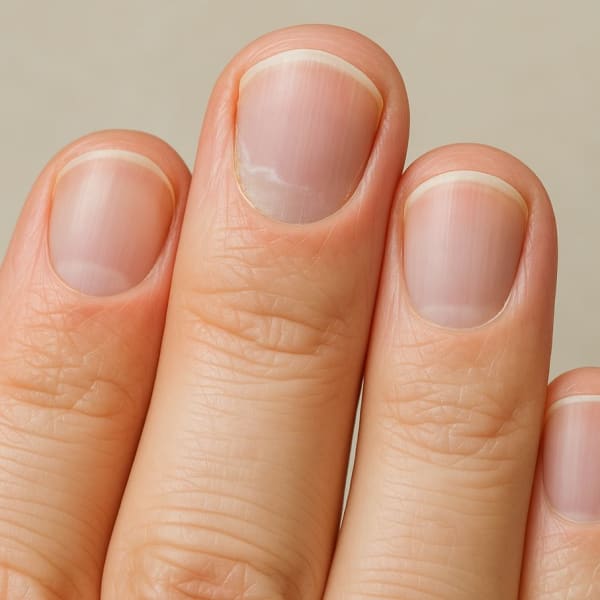
I have a client whose nails peel off from the free edge in layers, like the sink on an onion. Her free edges are so thin that her nails break as soon as they grow past the fingertips. I’ve tried various base coats recommended for peeling nails, and I use only formaldehyde-free products, but nothing has any effect. The client takes medicine for high blood pressure but is otherwise in good health. Can you offer any advice on how to strengthen her nails?
Dr. Kechijian: If it is any consolation, I too, find brittle nails very difficult to manage. It is unlikely that oral medications, such as you client’s high blood pressure medication, cause brittle nails.
Knowing the causes of brittle nails will help you in your attempt to help your client grow stronger nails. Some people just seem to have thin and fragile nails and probably have had them since they were children. Others seem to develop brittle nails as they grow older – like other body parts, nails don’t respond favorably to the advances of Father Time. Still others seem to develop brittle nails as a result of illness. And still a great many other people find brittle nails are caused by wear and tear from their hobbies or occupation.
Although you can’t turn back the bands of time or undo damage caused by illness, you can help these clients protect their nails and make the nails less brittle by identifying for them which activities weaken the nails and what preventive actions they can take.
For example, when the hands are frequently immersed in water or when clients work with chemicals, the nails can weaken and become brittle. Trauma to the nails can also make nail peel and break easily. If your client does a lot of typing or gardening, encourage her to protect her hands by using a lighter touch at the typewriter and wearing gloves while doing housework or gardening. Tell these clients to avoid using their nails as tools to open pop-top cans, dial the telephone, or pry open containers.
Once the nail plate is formed by the matrix, the structure of the nail cannot be changed significantly. There are no treatments that strengthen the nails – none that are safe, effective, or long-lasting. One medical study showed that the vitamin biotin, which can be purchased at a pharmacy or health food store, may help cure brittle nails if taken in daily doses of 2,500 micrograms. However, neither I nor several of my colleagues in medicine have found biotin to be consistently effective in strengthening brittle nails. I believe this “scientific” remedy is more wishful thinking than the long-sought cure for nail brittleness.
You can apply nail treatments (polish, nail strengtheners, etc.), which will act as a temporary armor. But tell your client that her nails will once again be brittle and prone to breaking if she stops wearing the products.
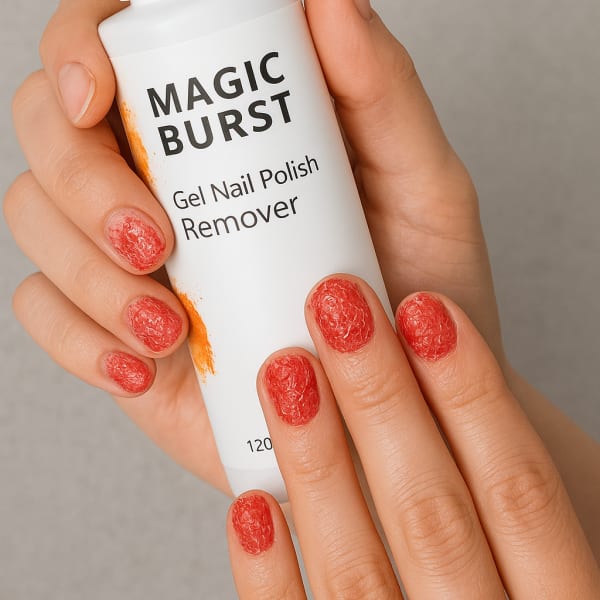
While nail treatments offer some protection, removing them can be hard on the nails. The solvents in polish removers can make already weakened nails more brittle; so encourage clients to apply a fresh coat over the old product every day or two instead of removing and reapplying the nail treatment every few days.
Instruct clients with brittle nails to apply a moisturizing lotion to their hands and nails several times a day, especially after their hands have been in water. Moisturizing lotions trap moisture and lubricate the nails, making them more pliable. Tell these clients to wash their hands before they trim their nails, which will make their nails more flexible and less likely to split or break when being trimmed.