Over the years, things happen in the salon that are not exactly in your service manual. How you handle these situations can keep a client coming back, and hopefully keep you out of court. Here are some situations that have happened to me and others I know.
Situation:
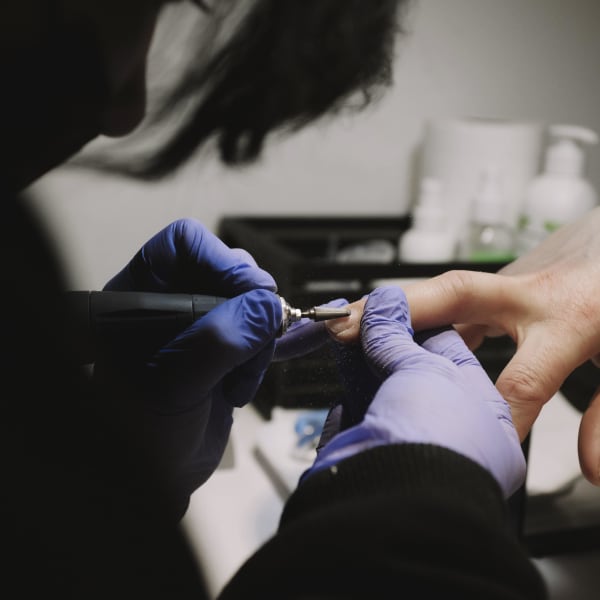
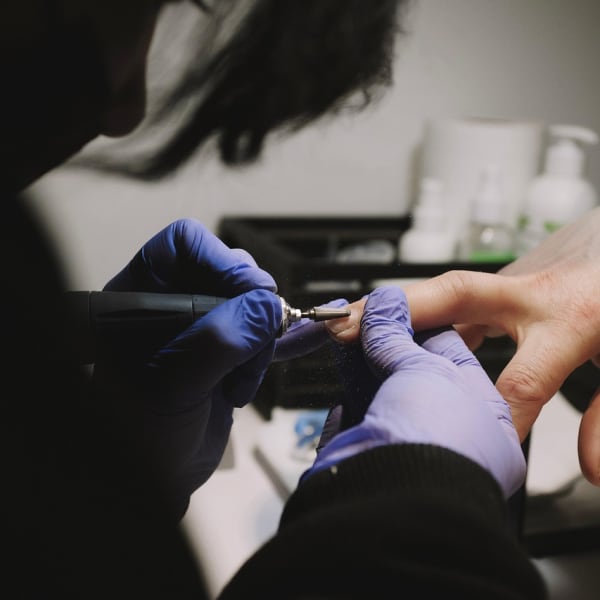
While filing a client, a tech cuts the skin in the sidewall and she starts bleeding. She simply says, “beauty is pain,” and keeps on filing.
Damage Control:
Apologize profusely. Over the years, clients have sat in my chair and have told me how their previous nail tech would hurt them and not apologize. This is a big deal.
How it should have been handled:
Prevention is once again key here. Make sure you take the sharp edges off your files before you start. They can give a nasty paper cut that really hurts and can become infected. Watch for redness around the cuticle, a sure sign that you are wearing off the skin around this area. Apply your product better so excessive filing is not necessary. Watch your clients’ body language. Many are embarrassed to complain but you may feel them flinch or pull away. Pay attention to this and be careful.
Situation:
One of the employees in my salon nipped a client’s nail bed as she was trying to remove acrylic from a broken nail. It was a small nick and did not bleed, but oozed a little clear liquid. Still, it was a nick.
Rather than call me over and ask about it, she decided to apply acrylic like nothing had happened. The client was OK with this as it didn’t hurt anymore. Two days later the client called and said that she had gone to the emergency room with a swollen, puffy, and throbbing finger. The doctor decided to remove the entire nail plate since she was in severe pain, I feel this was drastic and we could have soaked the nail off, but the mistake was that we should never have applied acrylic to the nail in the first place.
Damage Control:
I invited the client to the salon to take a look at the rest of her nails. I told he that we would perform all of her nail services for free until her nail grew back (about six months.) She accepted this and that was the end of something that could have been a horrible and costly mistake.
How it should have been handled:
When the nail tech originally nipped the nail bed, the nail should have been sanitized and left to heal. Fresh injuries to any nail bed may lead to infection and they should never be covered up. This also applies to broken nail beds. If the break in the nail bed is fresh, I remove any free edge that is hanging on that will keep making the break move and crack again. After a couple of days, the break begins to heal and the nail does not hurt. Then you can reapply the nail, paying special attention to the weakened area over the crack.
Situation:
I was gluing a tip of my client and my glue clogged. Rather than do the smart thing and cut the tip of the tube, I thought I would just squeeze a little harder (it was one of those glues with the skinny extender tip on the end). The extender tip split on the side facing the client and the glue squirted out, hitting the client in the face. It glued her eyes shut and her hair to her forehead. Thank goodness I had glued myself a couple of times and knew she should not try to force her eyes open. I raced her to the sink and flushed her eyes with water. Once she was able to open her eyes, we discovered that none of the glue got in her eyes because she had blinked so quickly. After her eyes opened, I applied a skin cream to her face wherever the glue was. The cream helps the glue let go faster.
Damage Control:
I sent a note to the client apologizing for the accident and offering her next two visits free.
How it should have been handled:
You should never squeeze glue or try to fore it. If it does not flow easily, find out why. If the glue had gotten into her eyes, this situation may have had a very different outcome.
Situation:
Primer is spilled on the manicure table and the nail tech or client gets it on her skin and complains of burning. I spilled my primer on my table once and it dripped onto my pants. Not wanting to make a big deal about it I continued working on my client for a few minutes. I then noticed my leg was burning and ran in the back to rinse it. Unfortunately water alone does not remove the sting or stop the chemical from burning.
Damage Control:
Always keep baking soda in your salon. Immediately after exposure, mix a couple of teaspoons of baking soda in a cup of cool water and saturate the primer-exposed area, including your clothing if necessary. This will neutralize the primer’s action.
How it should have been handled:
Keep your primer in a stable container and put the base in a cut sponge or bottle holder to prevent tip-over spills.