Nervous System Regulation for Hairstylists and Other Beauty Makers
While clients refer to their beauty professionals as "free therapists," it's important to have practices that protect yourself, so you don't leave work emotionally, energetically, and mentally drained.
by Elizabeth Faye, Founder, Hair Love University
October 11, 2023
Elizabeth Faye is a retired stylist, beauty industry thought leader, founder of the Hair Love community, and is a certified trauma informed life coach and breathwork expert who brings wellbeing to the industry.
Elizabeth Faye
5 min to read
It's no secret that beauty professionals leave an impact on their clients that is so much more than the haircut, facial, or manicure. Hair stylists, nail artists, and other beauty pros are known for being confidantes and for creating a trusted space where clients share their most intimate moments. This is one of the most special parts of the job... and it can also be one of the most energetically and emotionally taxing parts.
People even refer to their beauty professionals as "free therapists." Without having energetic tools to support you, you can leave work feeling emotionally, energetically, and mentally drained. The good news is that this industry is rich with human connection and with the right tools this can be a highlight of your career and not something that leaves you on empty.
Ad Loading...
"We are an industry that changes lives by the way we make people feel. We make others feel heard, seen, loved, and beautiful. And when we resource beauty pros to take care of themselves before they care for others, it will impact thousands of lives positively. Because when we FEEL good, we do good!"
Nervous System Regulation for Hairstylists & Other Beauty Makers
Let's start with: what is your nervous system? Simply put, your nervous system is your sensing system and it runs the show in your body. When regulated you will feel clear, present, creative, open, and safe. When dis-regulated you may find yourself feeling burned out, anxious, over working, people pleasing, emotionally discounting, exhausted, or in hyper drive.
When your nervous system is dis-regulated it means your body is in a stress response. And when your body is in a stress response it sends all of its powerful automatic functions to help you deal with stress, you are in a fight, flight, freeze, or fawn response. Which is why you don't feel present, clear, open, creative, or in your power fully; your body is busy keeping you alive because it got the signal that there is something to be alerted about!
That alert could be a small or big threat, it could be a lack of hydration, nutrition, a client who is late, a heavy conversation a client shared with you, a personal stressor, or worrying about clients you need to get back to. Regardless, that starts to feel like pressure to your nervous system and causes dis-regulation.
There are tools that can help you return back to a more regulated and balanced state when you start to feel energetically high-jacked which leads to emotional, physical, and mental dis-ease.
Ad Loading...
Elizabeth Faye
Our social nervous system is impacted by the people around us, being in a career where we are in people's energy so closely it's important to be aware of this. It does have an impact on your emotional, energetic, and mental health. This is not a bad thing and can actually be a positive thing with proper "emotional and energetic hygiene," as I like to call it.
I teach this in depth with a lot of science, strategy, and soul, but today I would like to share just a few of the most useful tips you can immediately start to practice on the way to work, in between clients, in the back room, and on the way home. All of these take only a minute or two and will change the state of your nervous system.
Energetic and Emotional Hygiene Tips to Nourish Your Nervous System
Protect your energy before work: Take a moment before entering other people's space or social media to take a few breaths and sit with what you intend for your day. A moment of protecting your own energy will reap in sustained energy all day. You can even envision a bubble of light wrapped around you, protecting your energy field.
Take a few deep breaths: Even as little as three breaths changes the state of your nervous system. Try the bliss breath — a simple breath where you breathe in through the nose to the count of three and then slowly exhale to the count of six. This breath relaxes your nervous system and you will feel melting come over your body as you relax.
Tree shake: Shaking is a very instinctual response to stress and a very effective to way to move frantic or stressful emotions. Start by taking your hands above your head, shake your hands, and slowly make your way down, lowering your arms as you shake your hands in a flapping motion. This regulates your nervous system. Take 60 seconds — add in the bliss breath for extra impact.
Wipe it off: In between clients, wash your hands and wipe off your arms, legs, chest, and heart area with the intention of wiping off anything you carry that isn't yours to carry.
Elizabeth Faye
Hum and sing: Why does it feel so great to sing in the shower? Well it stimulates your vagus nerve — which is like hitting the "chill out" button in the body. Humming and singing are quick ways to move energy and regulate your nervous system, and it's fun! It's one of my go-to's on the way to work and back daily.
Lean back method: When you find yourself getting emotionally too involved or energetically hijacked, physically lean back, and if it's feeling heavy, break the energy completely and go to the restroom or go get a drink of water.
Supportive language: This is key to creating boundaries in conversations that are highly connective and protective. Two phrases I love are "that's understandable," and "that makes sense you would feel that way." Both are compassionate, but don't necessarily open up for a deeper digging that you personally totally agree or understand.
Notice your body: Notice when energy tanks or when it is sustained. Everyone will have different depths and energetic capacities. It is important that you take note of when you are feeling drained, heavy, or energetically tired vs. energized, lit up, and aligned. Take note and ask what is happening here and how can you foster more protection and sustain more energy
About the Author: Elizabeth Faye is a retired stylist, beauty industry thought leader, founder of the Hair Love community, and is a certified trauma informed life coach and breathwork expert who brings wellbeing to the industry. She teaches many of the tools mentioned in this blog in her Sacred Success Method.
"Sacred success is success that is sustainable for our bodies, business, and bank account. It’s not the type that requires struggle, sacrifice, or burnout to make a profit. We are here to create art and serve our clients for the long haul and in order for that to happen our wellbeing and wealth must go hand in hand."
Uncured gel polish and microscopic e-file dust contain active acrylates that penetrate the skin, triggering permanent contact dermatitis. Learn the chemistry behind these irritants and how to protect your clients and yourself.
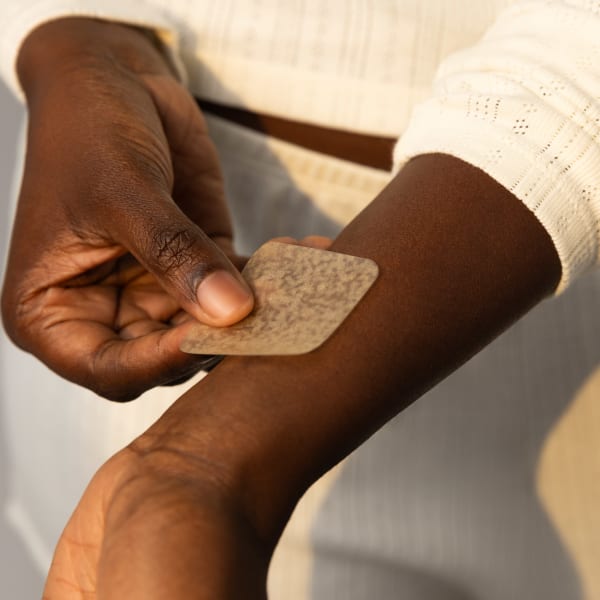
The Good Patch is a leading wearable wellness patch brand, offering wellness and skincare patches that support everyday needs including energy, sleep, relaxation and more.
Orthopedic PT reveals three daily exercises plus ergonomic advice that can help salon professionals avoid the aches and injuries caused by standing, bending and repetitive overhead work.
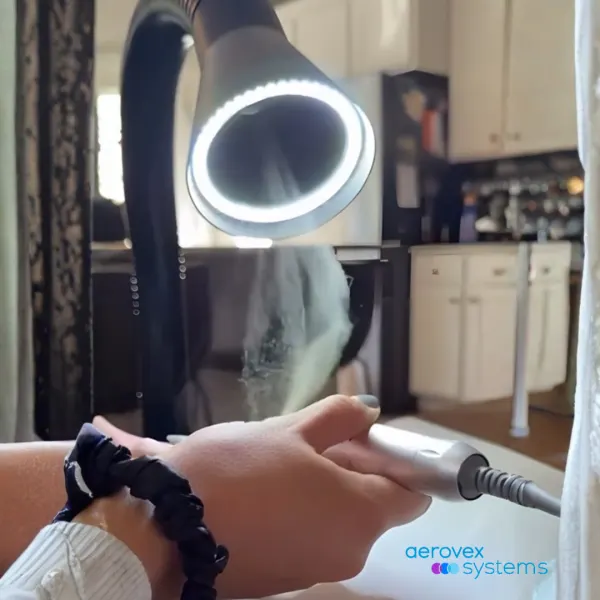
From acrylic monomers to airborne bio-dust, the air inside a nail salon carries risks most professionals never see coming. Aerovex Systems reveals the source-capture and room-purification strategies that are setting a new standard for salon safety.
Working in beauty doesn’t have to hurt. Learn how Somatic Movement helps hairstylists, lash artists, and other beauty pros release tension, improve posture, and extend their careers.
As a spa or salon professional, your clients expect more than just beauty—they expect safety, hygiene, and peace of mind. Fungal infections like Athlete’s Foot and Nail Fungus are more common than you think, especially in environments where tools and footbaths are reused without proper sanitation. This blog covers how to stop these issues before they start, using proven infection prevention strategies for salons and spas.
A federal initiative aimed at studying chemical exposure in nail salons has ended due to staffing and budget changes. Here’s what the project set out to do—and what its conclusion means for salon professionals.
For many people, a pedicure is a relaxing beauty ritual. But what most don’t realize is that this simple service, if done without proper hygiene and sanitation, can cause serious infections and long-term health issues.
Onycholysis is the separation of the nail plate from the nail bed. While it may look painful, it typically isn’t—at least not at first. But without proper care, this common nail disorder can lead to infections, deformities, and long-term damage.
Mckenzie Kool, Psychologist, MC, RPsych provides us with guidance on what may or not be helpful in speaking with someone who has suffered a significant loss.
Clients come to you to feel their best—not leave with a viral souvenir. Warts and cold sores can spread fast in busy salons, but a few smart habits make all the difference. Let’s talk about what’s really lurking in your salon (and how to kick it to the curb).
As Earth Day approaches, The Green Beauty Community Foundation and the Green Spa Network invite beauty pros to step forward and embrace sustainability through the Green Pledge--a powerful initiative designed by and for beauty industry leaders.
Don’t cancel Valentine’s Day altogether, urges Jill Palmquist. Instead, think of it as a (frilly, flowery, Champagne-bubbly) wake-up call to fall deeply in love with your own life.
Life coach and Culture Ambassador of Sam Villa, Andrew Carruthers, outlines how to tell if your burnout is temporary - or if it's time to make a bigger career change.