Psoriasis is a condition that most frequently manifests on the skin. Approximately 4% of the American population (10 million people) is affected by this disorder. Most of these patients have psoriasis that involves their nails.
When the nails are involved, the function of the nail unit becomes impaired. The psoriatic nail may not be able to protect the finger or toe, perceive fine touch or sensation, pick up small objects, or scratch. A very high correlation exists between psoriasis of the nail and the troublesome and often deforming psoriatic arthritis.
Roughly 1%-5% of patients in the United States have nail psoriasis alone without any other manifestation of the disorder. Unfortunately, this group of patients may be misdiagnosed, particularly by physicians who don’t specialize in dermatology.
The most common misdiagnosis of psoriasis of the nail is fungal infection. In fact, the signs and symptoms of nail psoriasis and onychomycosis (nail fungus) can be indistinguishable. Therefore, it is absolutely essential that your client’s doctor perform the necessary tests in order to arrive at a correct diagnosis.
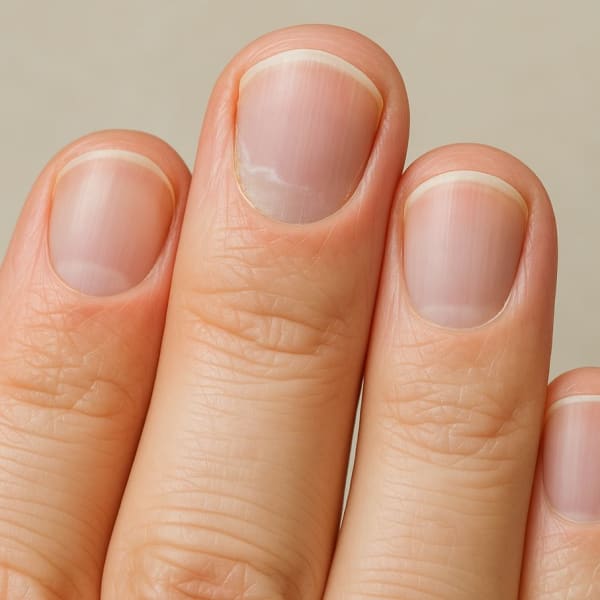
The changes in the nail that occur when psoriasis is present include onycholysis (separation of the nail from the nail bed) and subungual hyperkeratosis (thickening of the nail bed). Psoriatic nails develop splinter hemorrhages which actually resemble little splinters of wood under the nail plate. They are caused by tiny bleeding points in the nail bed. Another change seen in psoriatic nails is a red-to-orange-to-brown discoloration of the nail bed known as the “oil drop sign” because it resembles a drop of oil under the nail. White spots on the nail plate, called leukonychia, also may be a sign of nail psoriasis. When the condition becomes more severe, total crumbling of the nail plate can occur. The lunula, known as the half moon, often exhibits red spots. In patients with AIDS, psoriasis of both the skin and nail tends to be more severe and less responsive to treatment.
A series of diagnostic tests can be administered to diagnose nail psoriasis. Thee tests include the KOH wet mount. This involves taking a specimen from the patient’s nail, which is mounted on a glass slide for microscopic examination. This test will show if fungus is present. Another test is a culture, which comes out positive if the patient has a fungus infection rather than psoriasis. If neither of these two tests is conclusive, a nail biopsy can be performed. Once the diagnosis of psoriasis of the nail has been proved, appropriate therapy may be started.
A wide range of medications and treatments are available to manage nail psoriasis. They may be divided into three categories. Category I is topical treatments, which include creams, ointments, which include creams, ointments, and lotions. Category II are the so-called intralesional therapies (injections around the nails). Category III are systemic treatments (oral/pill medications).
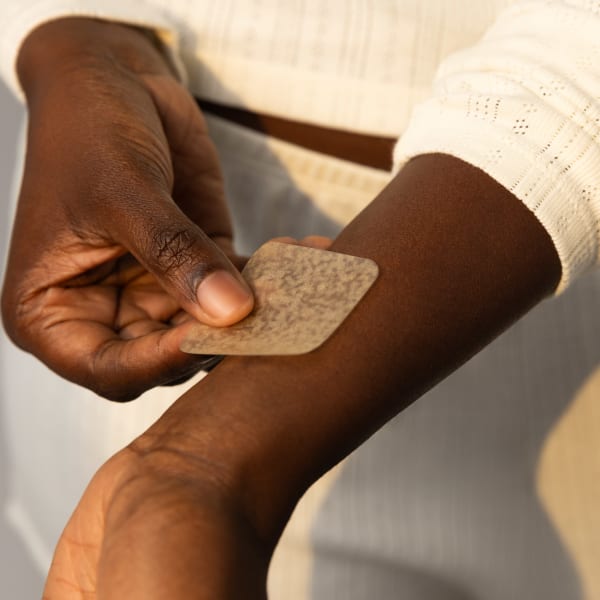
Topical therapy includes various preparations of corticosteroids (cortisone), coal tar derivatives, and the new vitamin D compound known as calcipotriene. These treatments vary in effectiveness, as they are somewhat limited by their ability to penetrate the nail, which may be difficult in many cases.
Cortisone is also used in the intralesional treatment program and is probably the most effective approach currently available. However, it can be somewhat painful and should be limited to physicians experienced in its use, generally dermatologists.
Oral therapy may be highly effective but is usually reserved only for the more severe cases since the medications taken internally can have significant side effects.
Another treatment is phototherapy. This consists of exposing the nails to various ultraviolet light treatments in combination with topical or systemic psoralens (these are compounds that make the nail more responsive to the ultraviolet light exposure).
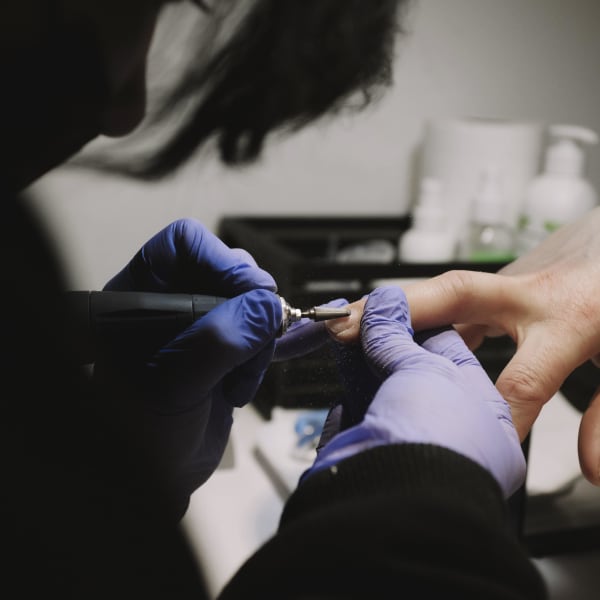
It should be made clear that psoriasis of the nail is a serious and often disabling condition. It should be accurately diagnosed by a physician who will perform the necessary tests before starting treatment. After confirming that nail psoriasis is present, an appropriate and safe treatment routine should be established tailored to the type and severity of the disorder. Lastly, patients with nail psoriasis should be aware that trauma or injury to the nail will make the problem worse. Therefore, keep the nails short to lessen the chances of damaging them, and avoid the vigorous mechanical manipulations often employed during a manicure.