Whether a result of inexperience or bad habits, these 10 troubles tend to consistently trip up techs. Can you honestly say you have never committed any of these major missteps?
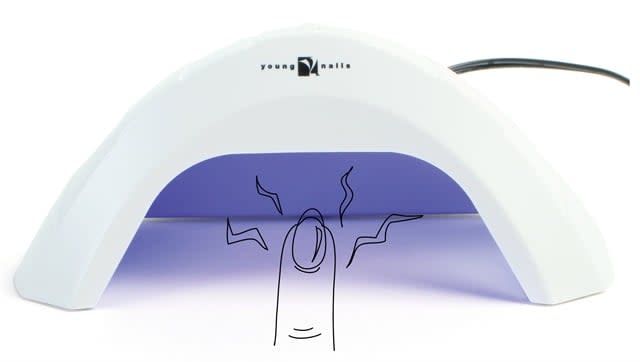
It’s hard to overemphasize the importance of getting the correct cure, which is why this ranks as the #1 worst thing a tech can do. Curing the nail correctly is vital — and it’s the responsibility of the tech to get it right. “The two most common culprits for offense are excessive monomer and choosing the wrong nail lamp for the cure,” says Doug Schoon, industry chemist, author, and educator.
Ad Loading...
Cured product does not typically cause an allergic reaction — the problem stems from uncured or under-cured product being in contact with the skin for a prolonged time or repeated exposure to incorrectly cured product. When UV gel is not fully cured, it leaves both the client and the nail tech at a higher risk of developing an allergic reaction. If the product is over-cured, the client is more likely to experience damage to her nail plate and nail bed, mainly because the product will be so difficult to remove. It could also burn the nail bed, which causes it to release the nail plate and could result in an infection. Also note that techs put themselves at risk with uncured product, too, because their arm tends to rest in the filings that land on the desk. Over time, this exposure to the skin can cause an allergic reaction.
Is this you? If you are not dusting your bulbs daily and dutifully replacing them every two to four months, it’s likely the gel is not curing entirely. Another indicator is that some gel will be soft or will easily file away, even after the correct amount of time under the nail lamp.
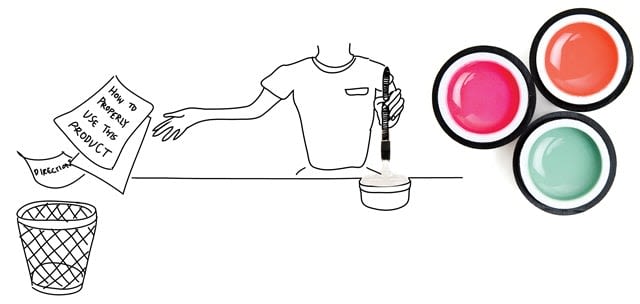
Mistake #2: Blatantly Disregarding Directions
Independence is a respectable quality to possess, but when techs go rogue in how they apply and mix their products, calamity can ensue. Schoon has heard more times than he cares to note the words of trail-blazing techs who proudly proclaim they’ve discovered a better way than manufacturers suggest. “They haven’t found a better way,” says Schoon. “What they have found is a way to compensate for something they’re doing incorrectly.” This cherry picking of top coat, base coat, curing lamp, etc. functions as a band-aid, and it has repercussions. If a client ever takes the tech to court, none of the manufacturers will back the tech up if she doesn’t follow their recommended guidelines.
Is this you? Do you find yourself in conversation with clients or other techs where you explain that manufacturers advise using certain products in a particular way, but you’ve found other ones to work just as well or better? (Then, we’re talking to you.)
Ad Loading...
Mistake #3: Ignoring Symptoms
Your client complains of sore, throbbing nails. You observe redness, swelling, and unusual peeling. Don’t ignore these signs. The body is warning you something is wrong. “When techs are educated, they can be like problem-solving detectives,” says Schoon. “They understand the signs indicate a problem and they can trace their steps back to see what’s causing it.” We know prolonged and repeated exposure of uncured product on the skin can cause allergic reactions. So, when the signs and symptoms of an allergy appear, it’s the tech’s responsibility to stop business as usual. Do not continue with the nail service until the problem is solved. It could be the tech is filing the nail too thin so the enhancement product is making contact with the nail bed. It may be the product is not fully curing (see mistake #1). Until you know, stop what you’re doing and refer the client to a medical professional.
Is this you? Do clients complain of itching, redness, or peeling nails? If so, discontinue services until the client has seen a doctor. Begin services again only after the nails and skin are healthy. Also, be aware of your technique to confirm you do not touch the skin during your application process and your product is curing correctly.
Mistake #4: Blaming the Client or the Products
It’s wrong to blame the client or the products for something that is the fault of the tech. Techs may see that the nails have trouble adhering or that they break easily and then rationalize this to a client by “explaining” gel-polish dries the nail out over time. Schoon says “dry nails” has become tech speak for “I damaged your nails,” often as a result of over-filing or improper removal. “Techs file to remove product, and then they file to add product,” says Schoon. “All that filing causes damage. A dry nail is not the same as a damaged nail.”
Ad Loading...
Is this you? If you correctly use brand-name products according to the manufacturers’ directions, it’s rare that your clients will experience problems often attributed to “dry nails.” If multiple clients complain of the same problem, go back to the basics and evaluate the steps in your application process.
Mistake #5: Misusing Callus Remover
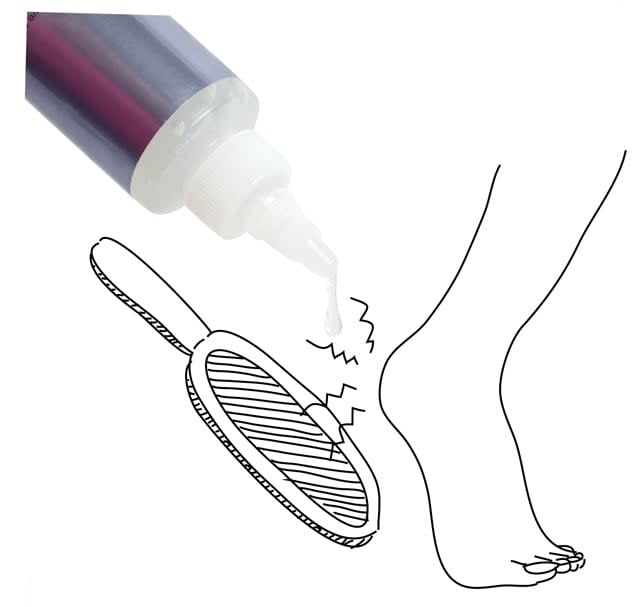
Callus remover is meant for a purpose — to help soften the skin so it can be smoothed down. Calluses shouldn’t be removed entirely — that would leave the skin exposed and vulnerable. And more is not better. “If it says leave it on for five minutes, don’t leave it on for 10,” says Schoon, “and definitely apply it only on the callus.” Schoon has heard stories of techs wrapping the foot in plastic to make the product “work faster” and of skin being compromised between the toes, an area a callus remover should never touch.
Is this you? Be honest. If you don’t watch the time you let the callus remover sit on the skin or if you notice the skin surrounding the callus is soft and tender, you likely need to be more cautious about how you’re using this powerful product.
Mistake #6: Diagnosing and Prescribing
Ad Loading...
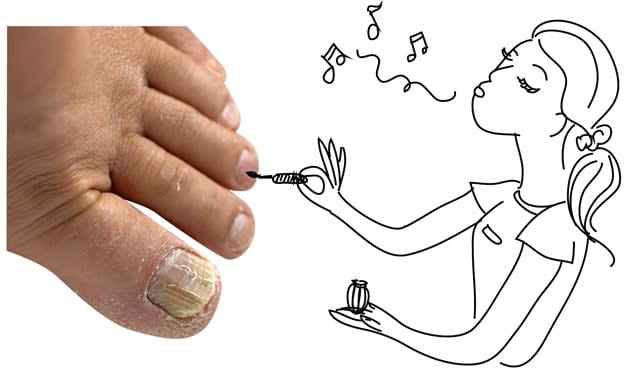
Nail techs beautify. Doctors diagnose and prescribe. It’s not only dangerous to deliver a diagnosis, it’s against federal law. Do you know the difference? Let’s start with some basics. No cosmetic product (cream, oil, etc.) can make the claim that it can prevent or treat a nail or skin infection. If you recognize dry skin, suggest a product. However, if you recognize that a nail or the skin on the hands and feet are unhealthy or see something unusual, recommending treatment is outside the scope of your license. Techs cannot prescribe remedies that would alleviate medical conditions or infections. It is, however, well within your scope of responsibility to say, “That does not look healthy, and I recommend you consult with your doctor.”
Is this you? Have you ever told a client that she has a fungus? Have you ever suggested a client use tea tree oil, white vinegar, or some other remedy to clear up a skin condition? You may have crossed a line.
Mistake #7: Using Too Much Force
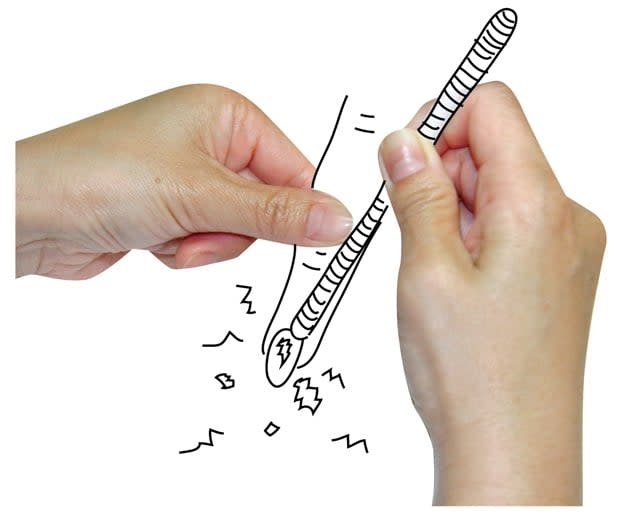
If gel-polish doesn’t come off the nail plate easily, do not scrape it off. Period. You can’t scrape it off gently enough that you won’t damage the nail. “Think about it,” says Schoon. “You’ve just soaked the nail in remover for 10 minutes. Whatever is left on the nail is going to be extraordinarily tenacious.” Techs think by gently scraping the product off they won’t damage the nail, but that’s like gently punching someone in the face and saying you didn’t cause the bloody nose. If the product doesn’t come off easily — by wiping it off — it needs to soak longer. (Prevent excessively long soaks by avoiding mistake #8.)
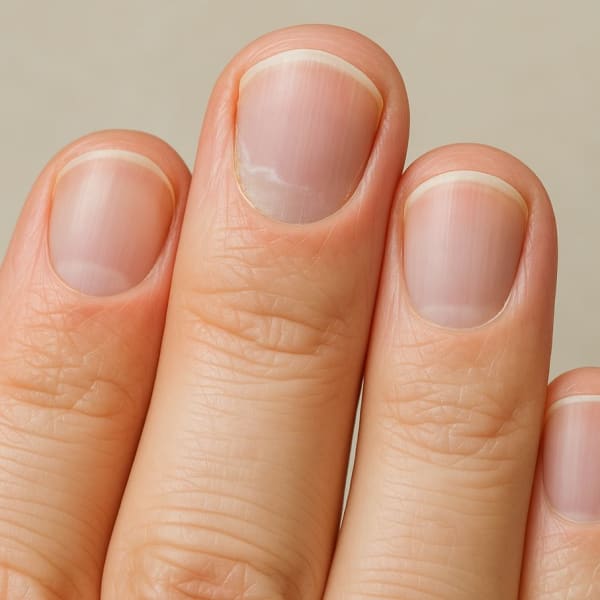
Is this you? If your clients have white spots on their nail plates that you blame on UV gel nails, we have bad news: You’re likely using too much force. It takes only a little bit of pressure to take a dip or chunk out of the nail, explains Schoon. That’s what causes the white spots. It’s not dehydration. Oil may hide the damage, but it won’t fix the problem.
Ad Loading...
Mistake #8: Letting Clients Go Too Long Between Services
Here’s an interesting fact: It’s much easier to remove gel product from the nail the day you apply it than three weeks later. The longer it’s on the nail, the harder it becomes to remove. Over-curing also makes product removal more difficult, so if techs over-cure the product then schedule appointments too far apart, we have the perfect storm for problem nails. Schedule appointments two weeks apart (just as the manufacturer recommends) to reduce the amount of soak time and the pressure you’ll need to use for removal.
Is this you? Do you tell clients to push their appointment to longer than two weeks and then get frustrated with how long it takes to remove the product? If so, you’ve just learned how to avoid one of the biggest mistakes techs make.
Mistake #9: Ignoring Ventilation
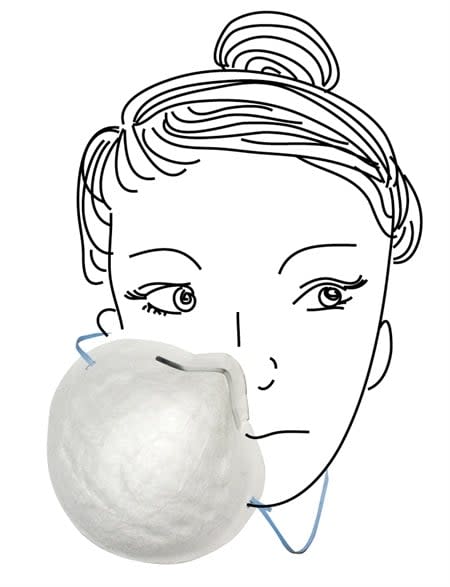
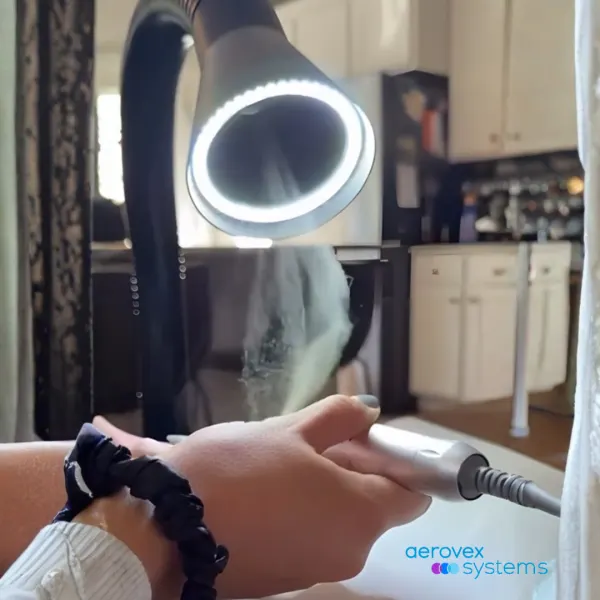
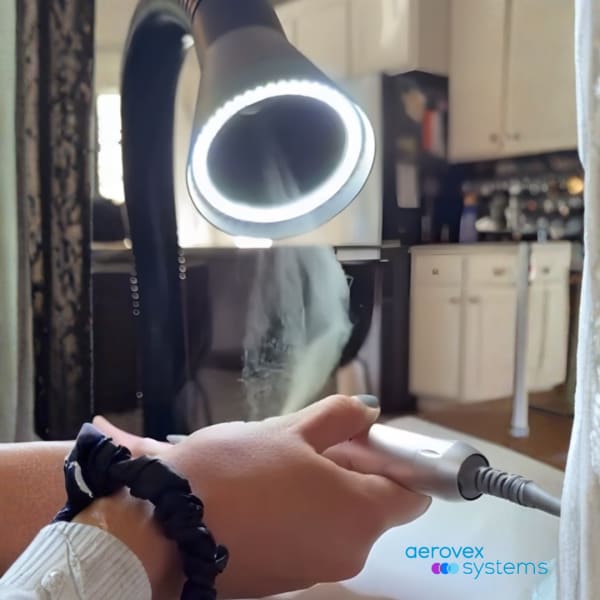
“Even cowboys in the West knew they needed a bandana to protect themselves from dust,” says Schoon. Why don’t nail techs use the same common sense? Techs have multiple reasons why they don’t ventilate properly — a ventilation system is too expensive, too loud, or too inconvenient — but it all comes down to one thing: They undervalue good air. And that’s a mistake. Ensure good air quality with a source-capture machine or an N95 dust mask. You deserve it — and so do your clients.
Ad Loading...
Is this you? We’re talking to you if you think opening up your door and turning on the ceiling fan constitutes good air quality.
Mistake #10: No Continuing Education
Schoon has noticed two current problems in the nail industry. Veterans who fail to stay educated and who then pass incorrect information to new techs, and new techs who focus only on nail art. And while he readily admits some techs are very well educated, as a whole, he finds nail techs are less educated than they were 10 years ago.
We are responsible for our knowledge — school provides a way to acquire a legal license and a rudimentary understanding of nail applications, but it does not provide the majority of what nail techs need to know. Schoon says when techs do seek out education, they often gravitate toward skill classes, such as nail art, or product knowledge and business classes, but it’s technical classes that would benefit them most. Technical classes teach how a product works and how to avoid damage. Though Schoon teaches technical classes, he admits this type of class is hard to find and rarely offered. (We recommend keeping an eye on the NAILS events calendar at www.nailsmag.com to find tradeshows and networking events in your area. Also be sure to check out Face-to-Face with Doug Schoon at www.facetofacewithdougschoon.com. Some veteran nail techs — like Holly Schippers, Gina Silvestro, Naja Rickette, and Lauren Wireman — offer independent education both in-person and online.)
Is this you? When was the last time you sat through a class and better understood the process of what you’re doing? If you were wearing a tube top (or had feathered hair), we’re talking to you.
Uncured gel polish and microscopic e-file dust contain active acrylates that penetrate the skin, triggering permanent contact dermatitis. Learn the chemistry behind these irritants and how to protect your clients and yourself.
The Good Patch is a leading wearable wellness patch brand, offering wellness and skincare patches that support everyday needs including energy, sleep, relaxation and more.
Orthopedic PT reveals three daily exercises plus ergonomic advice that can help salon professionals avoid the aches and injuries caused by standing, bending and repetitive overhead work.
From acrylic monomers to airborne bio-dust, the air inside a nail salon carries risks most professionals never see coming. Aerovex Systems reveals the source-capture and room-purification strategies that are setting a new standard for salon safety.
Working in beauty doesn’t have to hurt. Learn how Somatic Movement helps hairstylists, lash artists, and other beauty pros release tension, improve posture, and extend their careers.
As a spa or salon professional, your clients expect more than just beauty—they expect safety, hygiene, and peace of mind. Fungal infections like Athlete’s Foot and Nail Fungus are more common than you think, especially in environments where tools and footbaths are reused without proper sanitation. This blog covers how to stop these issues before they start, using proven infection prevention strategies for salons and spas.
A federal initiative aimed at studying chemical exposure in nail salons has ended due to staffing and budget changes. Here’s what the project set out to do—and what its conclusion means for salon professionals.
For many people, a pedicure is a relaxing beauty ritual. But what most don’t realize is that this simple service, if done without proper hygiene and sanitation, can cause serious infections and long-term health issues.
Onycholysis is the separation of the nail plate from the nail bed. While it may look painful, it typically isn’t—at least not at first. But without proper care, this common nail disorder can lead to infections, deformities, and long-term damage.
Mckenzie Kool, Psychologist, MC, RPsych provides us with guidance on what may or not be helpful in speaking with someone who has suffered a significant loss.
Clients come to you to feel their best—not leave with a viral souvenir. Warts and cold sores can spread fast in busy salons, but a few smart habits make all the difference. Let’s talk about what’s really lurking in your salon (and how to kick it to the curb).
As Earth Day approaches, The Green Beauty Community Foundation and the Green Spa Network invite beauty pros to step forward and embrace sustainability through the Green Pledge--a powerful initiative designed by and for beauty industry leaders.
Don’t cancel Valentine’s Day altogether, urges Jill Palmquist. Instead, think of it as a (frilly, flowery, Champagne-bubbly) wake-up call to fall deeply in love with your own life.
Life coach and Culture Ambassador of Sam Villa, Andrew Carruthers, outlines how to tell if your burnout is temporary - or if it's time to make a bigger career change.