Science & Medicine Panelists: Harvey Abrams, M.D., Paul Bryson, Ph. D., Phoebe Rich, M.D., Doug Schoon, Johanna Youner, D.P.M.
This Month’s Nail Technican Experts: Janeed Jesse is a nail tech and trainer at Dillards Hair and Nail Salon in Colorado Springs, Colo., Samuel Sweet is a Creative educator based in Leeds, England.
How often should one replace an acrylic nail brush? Does using one too long cause yellowing?
Janeen Jesse: You are on the right track assuming your brush might be causing your acrylics to yellow. In fact, most yellowing results from contaminated brushes. Your acrylic brush is an investment and should be handled carefully from the first time you take it out of the package. Here are a few simple rules to follow:
Each time you buy a new acrylic brush, season it by gently running a new orangewood stick through the bristles until the manufacturer’s powdery gum is completely removed. This may take 15 minutes or longer, but if you fail to do it, the gum could cause your acrylics to turn yellow.
Never touch the bristles of your brush with your fingers, and avoid touching your clients’ fingers as well. Natural oils from your hands can contaminate the brush.
Never clean your brush with anything but monomer. If acrylic is stuck in the brush, soak the bristles in monomer overnight, then gently wipe out the softened acrylic.
Never apply any oil or conditioner to the bristles. Nothing but monomer and polymer should ever come in contact with your brush.
Store your brush on its side in a container that will protect it from dust. Storing your brush with the bristles up will cause weakening of the glue that holds the bristles in place. Hanging it from your manicure light exposes it to dust and other contaminants.
If you fail to follow all of these suggestions, you may have a problem with your acrylic turning yellow. If this happens, throw away your brush and start over with a new one. It’s a good idea to have an additional seasoned brush on hand as a backup. With proper care, your acrylic brush can for a year or more before it needs to be replaced.
What would cause a greenie to appear under acrylic product right in the middle of a nail that hasabsolutely no lifting around the greenie anywhere? My client and I cannot figure out how any moisture got in there to start the greenie. It has happened on a couple of occasions and I feel inept not being able to answer her.
Samuel Sweet: Greenies are generally caused by bacteria trapped in an airless sealed environment that contains oil, moisture, and contamination. Zone 2 (the center of the nail) is the most common area to get a greenie as it is usually sealed off from any airflow.
Even though you may not be able to see it, chances are you are getting a small amount of pocket lifting in Zone 2. If you get even a small amount of pocket lifting, any bacteria there will begin to digest the oils on the nail, leaving behind a green stain.
There are a few possible reasons why you may be getting the pocket lifting: a too-wet ratio, thickened application (Zone 2 is usually the thickest application), or a weak prep.
If the greenies keep rearing their ugly heads on the same natural nail, and that nail tends to be one of the larger ones (i.e., the thumb), then I would suggest you double-check your ratio and work in smaller beads throughout Zone 2 to prevent the excessive shrinkage that may be leading to the pocket lifting that in turn is leading to the greenies.
What’s the best treatment for a nail that has been loosened from the nail bed due to injury? Is it OK to apply an extension?
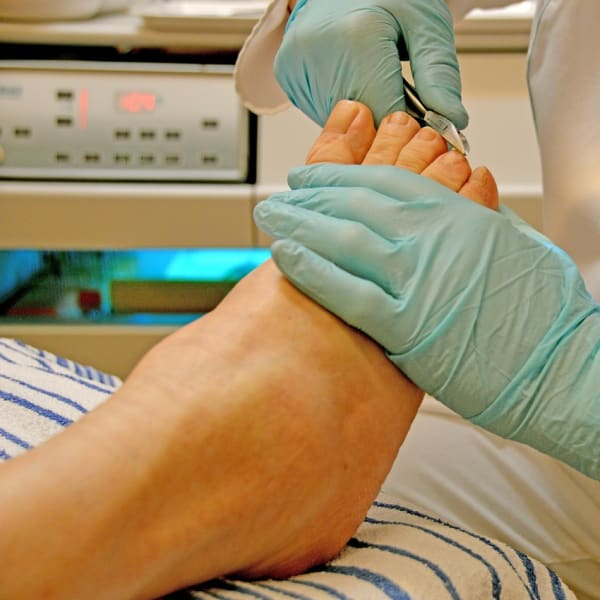
Dr. Rich: When a nail is loose from the nail plate, the condition is called onycholysis. Onycholysis can occur for a variety of reasons, one of which is traumatic injury, as in your client’s case. Most of the time the injured nail will reattach as it grows in, unless the injury caused a scar in the nail bed. It is not a good idea to apply extensions on a nail that is loose. It can be retard healing and risk further injury to the nail. It is better to wait until the nail plate has re-attached before extensions are applied.
I am interested in adding wraps to my service menu, but I read that they are damaging to the nails if the client decides to take them off because they thin the nail. Is this because of glue being used to apply the actual wrap?
Doug Schoon: When an enhancement is removed, the moisture content of the nail plate is very high. This makes the nail plate feel more flexible. The nail plate isn’t weaker or thinner—it’s just more moist. Within a day or two after removing enhancements, the natural nail should lose all of the extra moisture and become rigid again.
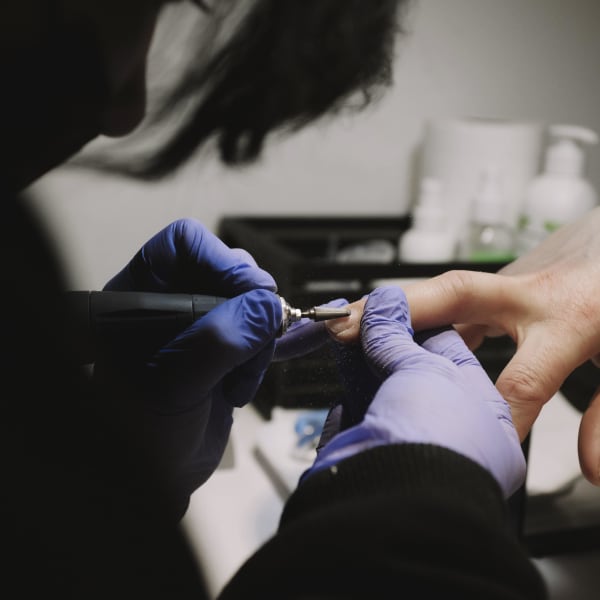
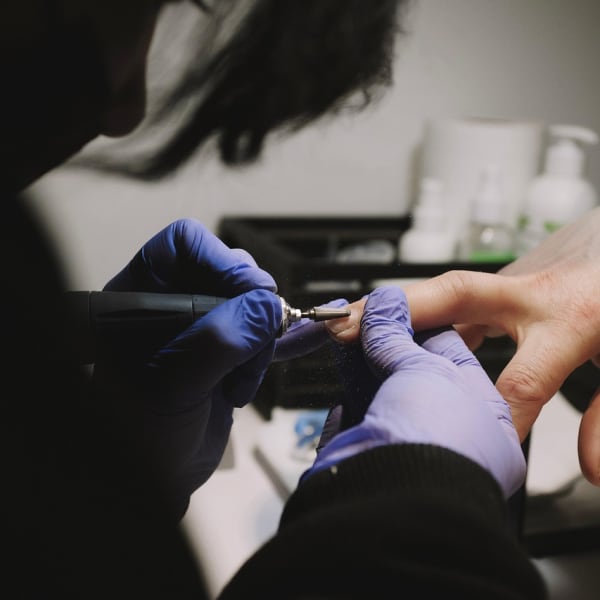
High-quality, professional nail enhancement products will not cause nail damage or thinning. This is true for liquid/powder, UV gels, wraps, primers, and adhesives. If problems do occur, they are most often traced to improper techniques used while applying, maintaining, or removing the enhancements. If the natural nail is thinner, then most likely you are witnessing the effects of heavy-handed filing with an abrasive or drill bit. Improper use of abrasives and electric files are leading causes of overly thin nail plates. To avoid these problems, they should be used very carefully and lightly on the natural nail.