Tips for Strengthening Your Sanitation Practices During the COVID-19 Outbreak
While salons are starting to see cancellations from cautious guests avoiding public places during the corona virus crisis, it's more important that ever to be extra vigilant about sanitation practices, while communicating to your clients the safety steps you're taking. SALON TODAY recently tapped Tamara Johnson Shealey, a beauty licensing and public health advocate, who shares some sage advice.
As the concern about corona virus, or COVID-19 continues to concern the public, it's the perfect time for salon owners to review and enforce basic santitation practices to keep their team and their clientele safe.
5 min to read
At Atelier Salon and Atelier Studio in San Jose, California, client cancellations are trickling in as Silicon Valley tech companies urge their employees to work from home and avoid unnecessary appointments because of fear of contracting corona virus or COVID-19. But owner Karie Bennett is viewing it as an opportunity to inform guests of how the salon is enforcing sanitation practices to keep both guests and team members safe.
“We are using a virucidal cleaning spray on all surfaces, including stylist chairs and frequently touched surfaces, and our assistants are wearing gloves and visibly sanitizing their hands before performing hand treatments,” she says. “I sent out an email to our customers with information on what we’re doing and we are hearing lots of positive feedback and gratitude from customers saying it makes them feel more comfortable.”
Ad Loading...
Bennett even went to the extra step of renting a hospital-grade air filtration system with three hepa filters that draws air in and pushes out clean air. “My brother-in-law works for a biomedical company that manufacturers them and was able to rent me one for $150 a month,” she says. “I think the situation with the Corona virus is going to get worse before it gets better, and I believe showing clients the extra steps we’re taking to ensure their saftey will be a big point of differentiation for us.”
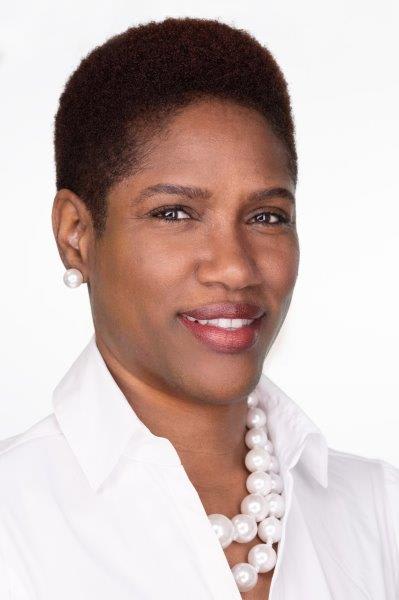
Tamara Johnson Shealey, founder and president of The Concerned Beauty and Barber Professionals and founder and senior advocate for Politics Beauty and Barber.
As salon pros double down on sanitation practices, SALON TODAY reached out to Tamara Johnson Shealey, the founder and president of The Concerned Beauty and Barber Professionals, an organization started to address the need to protect the health and safety of licensed beauty and barber professionals and the clients they serve, for some practical advice on the steps salons should take in light of the viral outbreak. Johnson also is the founder and Senior Advocate of Politics Beauty and Barber, an organization that strengthens the professional license of the beauty and barber industry and encourages professionals to engage in the political process. While Shealey pursues a law degree from Emory University, she also completed and internship with the Centers for Disease Control and Prevention, also known as the CDC.
SALON TODAY: As you communicate with beauty and barber professionals through your organizations, how are they feeling about the corona virus outbreak?
Shealey: “Personally from what I understand about this virus so far, the flu is more of a threat to me than COVID-19, but it is a situation that is changing daily and we need to monitor it closely. I’ve reached out through social media to gauge the panic and anxiety of beauty and barber professionals, but the majority of them are not really afraid. As licensed professionals, they are trained on sanitation practices, which they practice daily, and that’s our norm as beauty professionals. What they are afraid of is missing work and incoming revenue because of canceled appointments.”
SALON TODAY: Speaking of sanitation practices, can you run through these with us and talk about how these might need to be enforced or strengthened in light of COVID-19?
Ad Loading...
Shealey: “Again, it’s a great time for salon owners to review basic sanitation practices with their team members, but here’s some things to consider:
Make it a practice to wash your hands before and after every client.
Cover your mouth and nose with a tissue when you cough or sneeze.
Don’t touch your face during a client’s service before washing your hands.
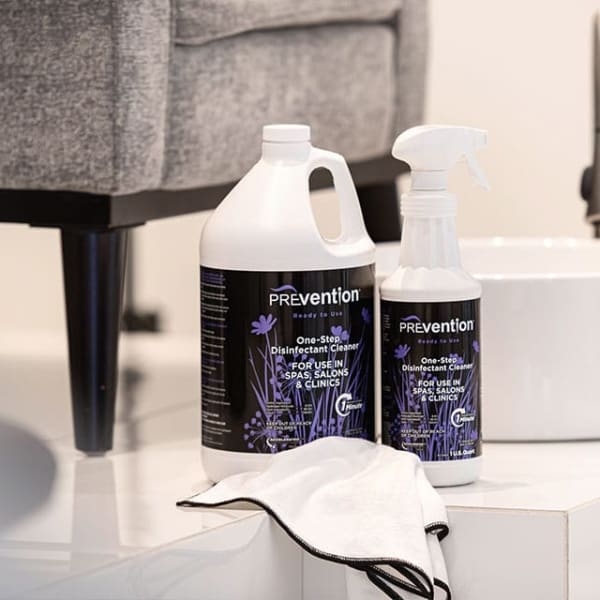
Wipe down surfaces with a spray or a wipe that kills viruses between clients, including the station and the chair.
Put away personal items that you might leave on the station, such as a water bottle or purse.
Owners should set up a schedule to have staff routinely wipe down commonly touched surfaces, including bathroom counters, bathroom doorknobs, the front desk and the credit card processing machine. Ideally, it would be great to do this between every client, but even a schedule where this is done on 30-minute intervals would go far.
Stylists, barbers, estheticians and nail techs also can consider wearing gloves—although not a requirement, it’s also not a bad idea under the present circumstances.
If the salon has a client event like an education night or an open house on the calendar in the coming weeks, consider rescheduling it.
Have large bottles of hand sanitizer in sight and encourage guests and team members to use it.”
SALON TODAY: Are you recommending that beauty and barber professionals use masks at this time?
Shealey: “I don’t think we're at the point that healthy beauty and barber professionals need to wear masks, but this is a situation that is constantly developing as we’re continuing to learn more about this virus. I always see how the CDC is handling this crisis, and I follow their lead, because they are the experts.”
SALON TODAY: How can owners communicate about the practices they are putting into place to clients, and why is this important?
Ad Loading...
Shealey: “I recommended putting up signage that states the steps you are putting into place. Post it on your social media sites, on your website and send an email to your clientele. Encourage guests and staff members who feel sick to stay home. If you charge a fee for missed appointments, consider waiving that practice when clients call in due to illness. But just letting clients see you are taking these steps while they are in the salon gives them a sense of security and that’s a selling point.”
SALON TODAY: Where do you recommend readers for more information?
Shealey: “I constantly check the updates on the CDC’s website (www.cdc.gov) and I recommend it for anyone.”
Uncured gel polish and microscopic e-file dust contain active acrylates that penetrate the skin, triggering permanent contact dermatitis. Learn the chemistry behind these irritants and how to protect your clients and yourself.
The Good Patch is a leading wearable wellness patch brand, offering wellness and skincare patches that support everyday needs including energy, sleep, relaxation and more.
Orthopedic PT reveals three daily exercises plus ergonomic advice that can help salon professionals avoid the aches and injuries caused by standing, bending and repetitive overhead work.
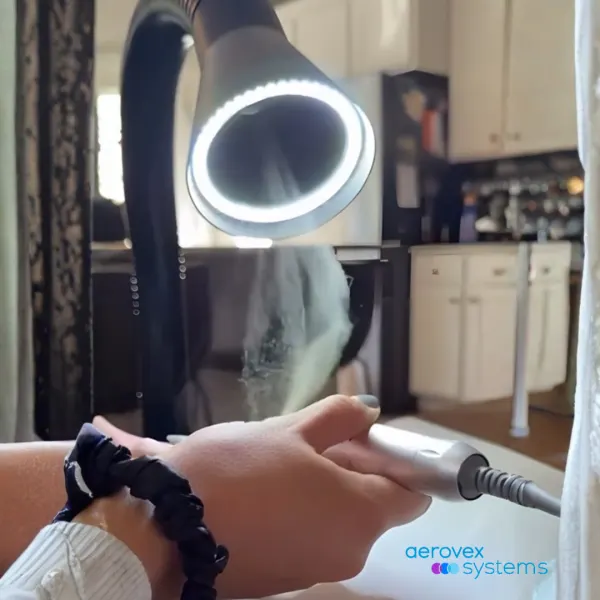
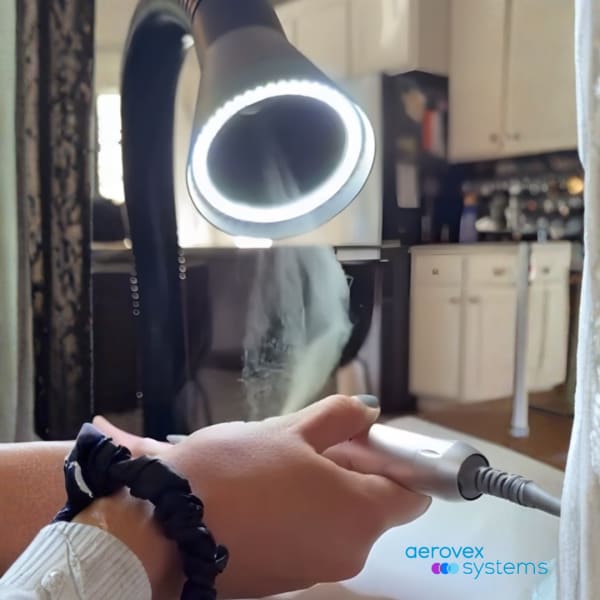
From acrylic monomers to airborne bio-dust, the air inside a nail salon carries risks most professionals never see coming. Aerovex Systems reveals the source-capture and room-purification strategies that are setting a new standard for salon safety.
Working in beauty doesn’t have to hurt. Learn how Somatic Movement helps hairstylists, lash artists, and other beauty pros release tension, improve posture, and extend their careers.
As a spa or salon professional, your clients expect more than just beauty—they expect safety, hygiene, and peace of mind. Fungal infections like Athlete’s Foot and Nail Fungus are more common than you think, especially in environments where tools and footbaths are reused without proper sanitation. This blog covers how to stop these issues before they start, using proven infection prevention strategies for salons and spas.
A federal initiative aimed at studying chemical exposure in nail salons has ended due to staffing and budget changes. Here’s what the project set out to do—and what its conclusion means for salon professionals.
For many people, a pedicure is a relaxing beauty ritual. But what most don’t realize is that this simple service, if done without proper hygiene and sanitation, can cause serious infections and long-term health issues.
Onycholysis is the separation of the nail plate from the nail bed. While it may look painful, it typically isn’t—at least not at first. But without proper care, this common nail disorder can lead to infections, deformities, and long-term damage.
Mckenzie Kool, Psychologist, MC, RPsych provides us with guidance on what may or not be helpful in speaking with someone who has suffered a significant loss.
Clients come to you to feel their best—not leave with a viral souvenir. Warts and cold sores can spread fast in busy salons, but a few smart habits make all the difference. Let’s talk about what’s really lurking in your salon (and how to kick it to the curb).
As Earth Day approaches, The Green Beauty Community Foundation and the Green Spa Network invite beauty pros to step forward and embrace sustainability through the Green Pledge--a powerful initiative designed by and for beauty industry leaders.
Don’t cancel Valentine’s Day altogether, urges Jill Palmquist. Instead, think of it as a (frilly, flowery, Champagne-bubbly) wake-up call to fall deeply in love with your own life.
Life coach and Culture Ambassador of Sam Villa, Andrew Carruthers, outlines how to tell if your burnout is temporary - or if it's time to make a bigger career change.