Although H1N1 is an airborne pathogen, it’s far more easily transmitted through hand-to-hand contact. This is one more reason it’s important to understand the proper use of antimicrobials and how they fit into your salon sanitation regimen.
by Dr. Kenneth Gerenraich, D.P.M.
February 1, 2010
5 min to read
With countless media reports about the H1N1 virus, we are being inundated with messages and directives on how to save ourselves from widespread doom and gloom this flu season. While many of the “save yourself” suggestions are accurate, nail technicians, by virtue of their jobs, have a higher probability of touching infected hands than many other professions. It’s imperative that technicians learn how to protect themselves as well as their clients. In fact, the H1N1 epidemic offers an opportunity for salons and nail technicians to implement a comprehensive sanitation program that may actually become a marketing tool and subsequent salon “differentiator.”
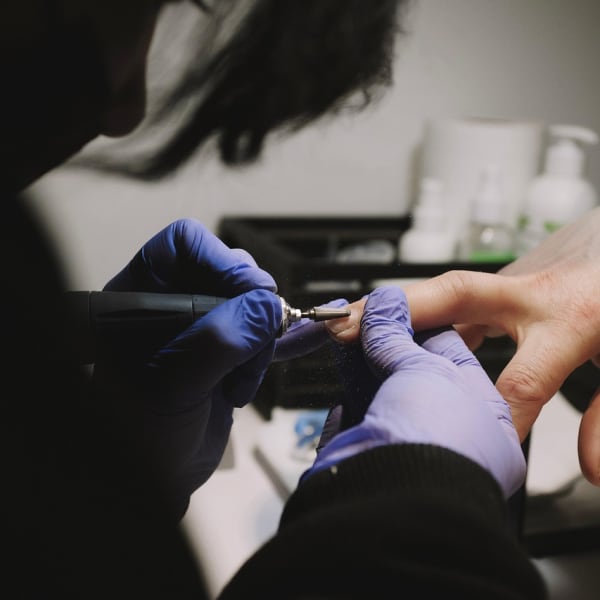
It is important to realize that while H1N1 may be transmitted via the air from sneezes and coughing, it is far more likely to be transmitted by hand-to-hand contact. As a rule of good practice, and a law in almost all states, nail technicians should always wash their hands and their client’s hands prior to beginning a service. Imagine a doctor not washing his hands before touching a patient. However, it’s not just simply about washing hands; it’s the technique and time a person employs while washing that matters.
Ad Loading...
In medical school I learned to sing the “happy birthday” song at the proper speed to determine the length of time to wash. I also learned to wash underneath my nails and between my fingers (both favorite hiding places for germs), and then to dry thoroughly with a clean, dry towel. Once my hands are dry, I use the towel to turn off the water and then use it to open the door to exit the restroom. Touching germs after washing recontaminates the hands before the technician or client even returns to the station or table.
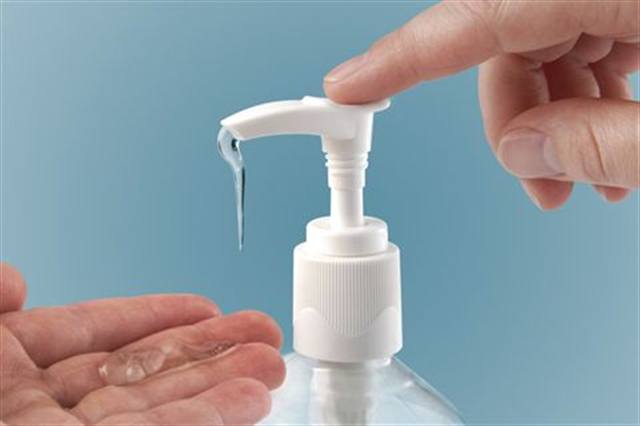
While clients and technicians alike should do this before any salon service, unfortunately, in real life it doesn’t happen this way. When proper hand-washing is not readily available, a technician should use a sanitizer to clean her hands and her client’s hands prior to starting the service.
Like hand-washing, it’s how a person uses a sanitizer that makes the difference. Sanitizers only work where they touch. Putting it only on your palms isn’t adequate since the majority of germs are hidden under the nail tips, in the groove on the sides of the nail, and between the fingers. A sanitizer must cover all these locations, and similar to washing with soap and water, the sanitizer must be rubbed on these areas for 15-20 seconds.
It’s important to note that hands can be recontaminated during a procedure. If a technician or client sneezes, sanitize again.
Evaluating Sanitizers Products that contain provodone iodine, alcohol, or benzalkonium chloride will kill 99.99% of disease-causing germs when formulated properly. Products with benzalkonium chloride are perfect for technicians who prefer an alcohol-free solution. Ironically, alcohol-based products remove sebums and oils from the skin, drying out the skin after repeated uses. When the skin becomes dry, microscopic cracks and crevices occur and they become places where germs can remain trapped or hidden. Due to its brown color, provodone iodine isn’t used in instant hand sanitizers.
In addition, if a technician uses a product with an active ingredient that does not have the broad strength to kill 99.99% of disease-causing germs, for example Triclosan-based products, then some germs remain and become resistant to the active agent. Currently, there are some identified organisms resistant to Triclosan-based products. Ultimately, if you do not kill the germs adequately each generation of germs becomes stronger and therefore has more resistance to the killing agents. This is how resistant organisms called “superbugs” are created.
Ad Loading...
The situation is similar to using an antibiotic for only five out of the 10 prescribed days. Taking only half the dosage kills the weaker germs, but the stronger ones, while maybe knocked down, remain alive and viable. The stronger germs that remain are aware of the antibiotic and have become more resistant to it. Subsequently a larger dosage of medication is required to kill the germs or a different medicine must be prescribed.
For example, methicillin-resistant Staphylococcus aureus or MRSA is a strain of staph aureus, a very common germ, that has mutated to become resistant to one of the strongest antibiotics known to medicine, methicillin. MRSA was the germ that made nail industry news a few years ago in central California after being found in foot spas in a nail salon that was not cleaning them properly. Many women who caught it at the salon suffered severe disfigurement on their legs.
When I lecture to nail professionals, they are always amazed at how something so small can cause such disease, but also how fast germs can potentially grow. For example, one E. coli can turn into 140 trillion within 24 hours in an ideal environment that includes food, moisture, and warmth. So it’s imperative that technicians and clients properly use a strong killing agent. If antimicrobials kill 99.99% of germs, you are virtually guaranteed that there is nothing left to become resistant.
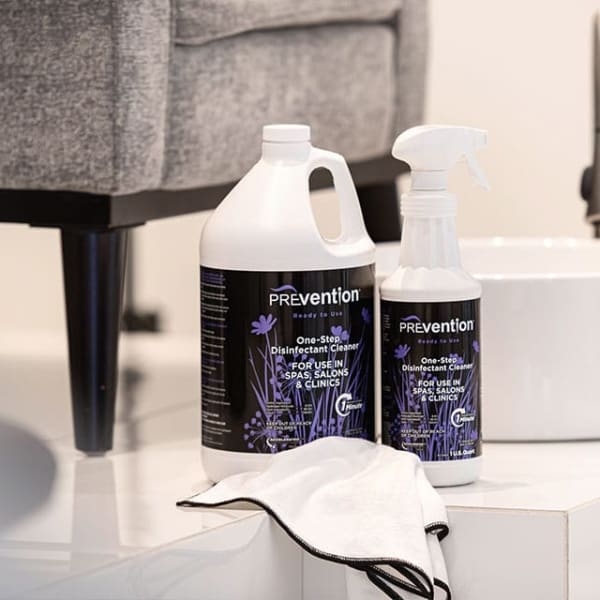
It’s not just the hands that require proper antimicrobial sanitization. Use hospital-grade wipes or spray cleaner with a clean cloth to wash down the table. Technicians should do it in front of their client to show them how conscientious they are about cleanliness. It’s a great marketing opportunity. As the technician is sanitizing the table and her hands, she can explain that she cares about her customer’s health.
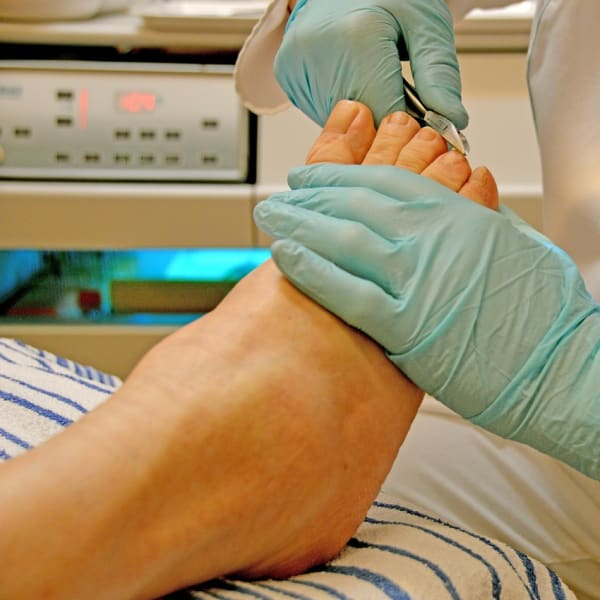
This translates to instruments as well. All tools should be soaked in proper disinfection solutions, not just wiped off with a cloth. If there are germs on the tip of an instrument and the technician is pushing cuticles back, then the germs are directly deposited under the eponychium. Used instruments should not touch clean instruments. Think about how a dentist puts contaminated or infected instruments on a separate tray.
Ad Loading...
Following these tips will help technicians and their clients remain healthy during flu season and beyond. It also provides an opportunity to showcase the cleanliness of a salon, turning it into a priceless marketing tool for today’s generation of nail professionals.
Kenneth Gerenraich — also known as “Dr. G” — is a podiatrist and founder and CEO of Woodward Labs.
Uncured gel polish and microscopic e-file dust contain active acrylates that penetrate the skin, triggering permanent contact dermatitis. Learn the chemistry behind these irritants and how to protect your clients and yourself.
The Good Patch is a leading wearable wellness patch brand, offering wellness and skincare patches that support everyday needs including energy, sleep, relaxation and more.
Orthopedic PT reveals three daily exercises plus ergonomic advice that can help salon professionals avoid the aches and injuries caused by standing, bending and repetitive overhead work.
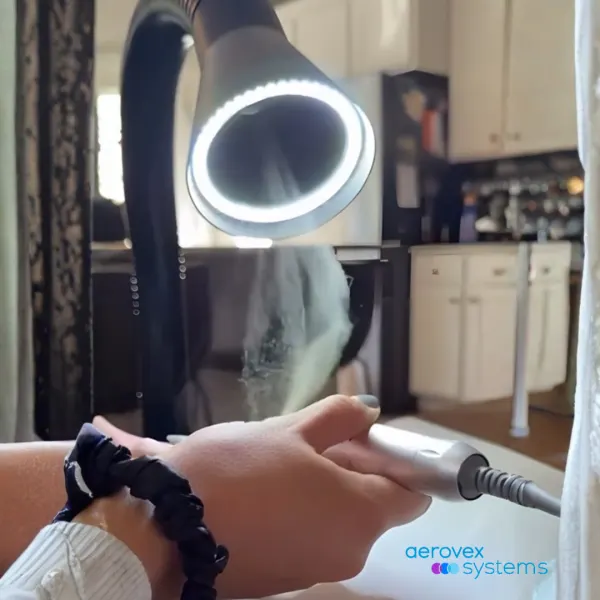
From acrylic monomers to airborne bio-dust, the air inside a nail salon carries risks most professionals never see coming. Aerovex Systems reveals the source-capture and room-purification strategies that are setting a new standard for salon safety.
Working in beauty doesn’t have to hurt. Learn how Somatic Movement helps hairstylists, lash artists, and other beauty pros release tension, improve posture, and extend their careers.
As a spa or salon professional, your clients expect more than just beauty—they expect safety, hygiene, and peace of mind. Fungal infections like Athlete’s Foot and Nail Fungus are more common than you think, especially in environments where tools and footbaths are reused without proper sanitation. This blog covers how to stop these issues before they start, using proven infection prevention strategies for salons and spas.
A federal initiative aimed at studying chemical exposure in nail salons has ended due to staffing and budget changes. Here’s what the project set out to do—and what its conclusion means for salon professionals.
For many people, a pedicure is a relaxing beauty ritual. But what most don’t realize is that this simple service, if done without proper hygiene and sanitation, can cause serious infections and long-term health issues.
Onycholysis is the separation of the nail plate from the nail bed. While it may look painful, it typically isn’t—at least not at first. But without proper care, this common nail disorder can lead to infections, deformities, and long-term damage.
Mckenzie Kool, Psychologist, MC, RPsych provides us with guidance on what may or not be helpful in speaking with someone who has suffered a significant loss.
Clients come to you to feel their best—not leave with a viral souvenir. Warts and cold sores can spread fast in busy salons, but a few smart habits make all the difference. Let’s talk about what’s really lurking in your salon (and how to kick it to the curb).
As Earth Day approaches, The Green Beauty Community Foundation and the Green Spa Network invite beauty pros to step forward and embrace sustainability through the Green Pledge--a powerful initiative designed by and for beauty industry leaders.
Don’t cancel Valentine’s Day altogether, urges Jill Palmquist. Instead, think of it as a (frilly, flowery, Champagne-bubbly) wake-up call to fall deeply in love with your own life.
Life coach and Culture Ambassador of Sam Villa, Andrew Carruthers, outlines how to tell if your burnout is temporary - or if it's time to make a bigger career change.