We Need a Mental Health Vacation: Strategies for Getting Away From the Stress
Nearly 8 in 10 adults (78%) say the coronavirus pandemic is a significant source of stress in their lives, while 3 in 5 (60%) say the number of issues America faces is overwhelming to them.
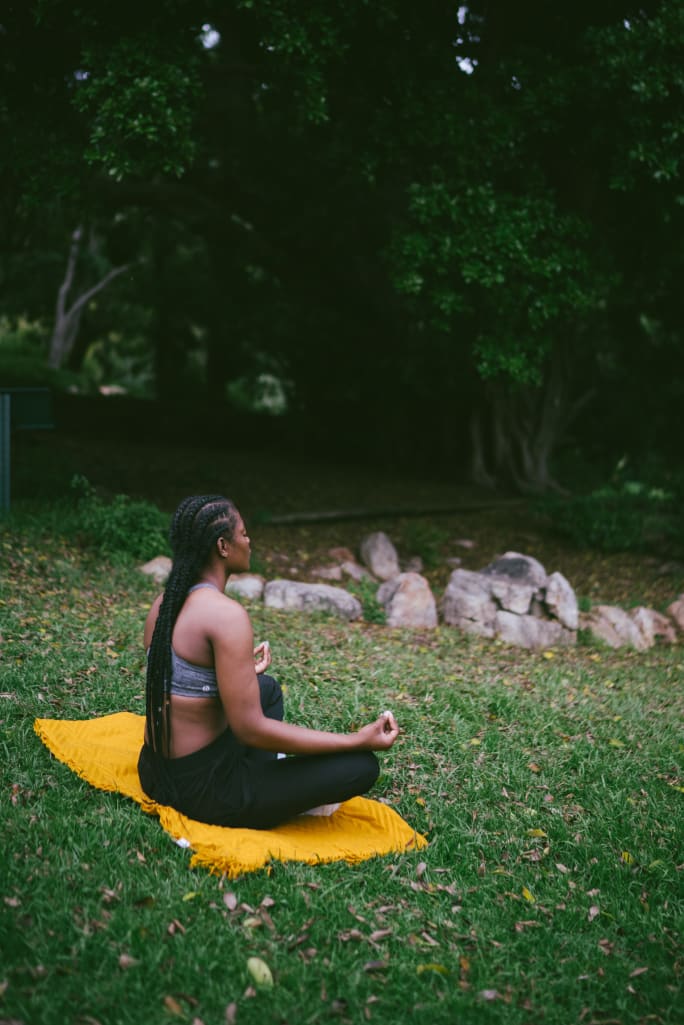
We take a deep breath and consider two proven stress relievers: meditation and mindfulness.
by Staff
February 17, 2021
3 min to read
As we've taken steps to protect ourselves and others, physically, during this pandemic, our mental and emotional health may have suffered.
According to the American Psychological Association, and a study they conducted called Stress in AmericaTM 2020: A National Mental Health Crisis, (conducted by The Harris Poll on behalf of APA), nearly 8 in 10 adults (78%) say the coronavirus pandemic is a significant source of stress in their lives, while 3 in 5 (60%) say the number of issues America faces is overwhelming to them. Gen Z adults, on average, say their stress level during the prior month is 6.1, on a scale from 1 to 10 where 1 means “little to no stress” and 10 means “a great deal of stress.” This compares with a reported average stress level among all adults of 5.0.
Ad Loading...
We look at some proven stress relievers: meditation and mindfulness.
TRIPPY
A large, 2020 observational study from the Centers for Disease Control and Prevention (CDC) found that meditating was associated with a 35% lower risk of high cholesterol, a 14% lower risk of high blood pressure, a 30% lower risk of diabetes, a 24% lower risk of stroke, and a 49% lower risk of coronary artery disease.
If these benefits weren’t enough, another study (2016) from Mount Sinai, the University of California, San Francisco, and Harvard Medical School measured the “resort vacation effect” compared with the “meditation effect.”
Studying female participants over a 6-day stay at the Chopra Center for Wellbeing, half experienced a regular resort vacation there, while half also did a daily meditation program. Findings: both groups showed significant, immediate changes in genetic expression associated with stress and immune pathways – while the meditation retreat, for those who already meditated regularly, was also associated with antiviral activity. And the molecular signature of long-term meditators was distinct from the non-meditating vacationers.
Ad Loading...
Can’t vacation? Try meditation.
DEEP BREATH
Diana Hendel, PharmD, and Mark Goulston, MD, co-authored a book for healthcare heroes who are dealing with COVID-related stress called Why Cope When You Can Heal?. Their suggestions for ways to stop stress in the moment are valuable for anyone wanting to reclaim a sense of calm and control.
Grounding is a great way to reduce anxiety and arrive in the here and now. Use it anytime you feel carried away by anxious thoughts or feelings.
• Find a comfortable place to sit (or stand). If sitting, rest your hands on your legs. Feel the fabric of your clothing. Notice its color and texture.
Ad Loading...
• Next, bring your awareness to your body. Stretch your neck from side to side. Relax your shoulders. Tense and relax your calves. Stomp your feet.
• Look around and notice the sights, sounds, and scents around you for a few moments.
• Name 15-20 things you can see. For example, the floor, a light, a desk, a sink.
• As you keep looking around, remind yourself that “Right now, in this moment, I’m safe.”
Pause and take a few deep breaths. We tend to hold our breath whenever we are stressed, but this only exacerbates feelings of anxiety. Instead, use “box breathing” to calm yourself and heighten your concentration. Box breathing is the technique of taking slow, deep, full breaths.
Ad Loading...
Slowly exhale your breath through your mouth. Consciously focus on clearing all the oxygen from your lungs. Inhale slowly and deeply through your nose for four slow counts. Hold your breath for four more slow counts. On the next four counts, exhale again through your mouth until your lungs are empty. Hold your breath again for a final slow count of four beats.
Uncured gel polish and microscopic e-file dust contain active acrylates that penetrate the skin, triggering permanent contact dermatitis. Learn the chemistry behind these irritants and how to protect your clients and yourself.
The Good Patch is a leading wearable wellness patch brand, offering wellness and skincare patches that support everyday needs including energy, sleep, relaxation and more.
Orthopedic PT reveals three daily exercises plus ergonomic advice that can help salon professionals avoid the aches and injuries caused by standing, bending and repetitive overhead work.
From acrylic monomers to airborne bio-dust, the air inside a nail salon carries risks most professionals never see coming. Aerovex Systems reveals the source-capture and room-purification strategies that are setting a new standard for salon safety.
Working in beauty doesn’t have to hurt. Learn how Somatic Movement helps hairstylists, lash artists, and other beauty pros release tension, improve posture, and extend their careers.
As a spa or salon professional, your clients expect more than just beauty—they expect safety, hygiene, and peace of mind. Fungal infections like Athlete’s Foot and Nail Fungus are more common than you think, especially in environments where tools and footbaths are reused without proper sanitation. This blog covers how to stop these issues before they start, using proven infection prevention strategies for salons and spas.
A federal initiative aimed at studying chemical exposure in nail salons has ended due to staffing and budget changes. Here’s what the project set out to do—and what its conclusion means for salon professionals.
For many people, a pedicure is a relaxing beauty ritual. But what most don’t realize is that this simple service, if done without proper hygiene and sanitation, can cause serious infections and long-term health issues.
Onycholysis is the separation of the nail plate from the nail bed. While it may look painful, it typically isn’t—at least not at first. But without proper care, this common nail disorder can lead to infections, deformities, and long-term damage.
Mckenzie Kool, Psychologist, MC, RPsych provides us with guidance on what may or not be helpful in speaking with someone who has suffered a significant loss.
Clients come to you to feel their best—not leave with a viral souvenir. Warts and cold sores can spread fast in busy salons, but a few smart habits make all the difference. Let’s talk about what’s really lurking in your salon (and how to kick it to the curb).
As Earth Day approaches, The Green Beauty Community Foundation and the Green Spa Network invite beauty pros to step forward and embrace sustainability through the Green Pledge--a powerful initiative designed by and for beauty industry leaders.
Don’t cancel Valentine’s Day altogether, urges Jill Palmquist. Instead, think of it as a (frilly, flowery, Champagne-bubbly) wake-up call to fall deeply in love with your own life.
Life coach and Culture Ambassador of Sam Villa, Andrew Carruthers, outlines how to tell if your burnout is temporary - or if it's time to make a bigger career change.