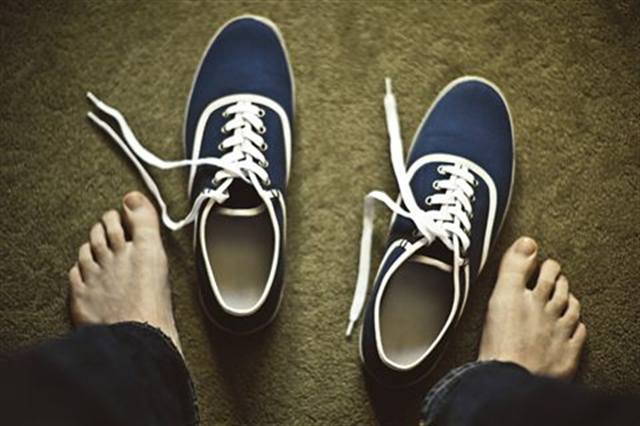
Alright, fess up. You’ve been there. Maybe you realized it was a problem when you kicked your shoes off in the car as you relaxed into a long road trip. Maybe it was when you took your boots off while you were visiting a friend’s house, or after a long, hard day of work. If we’re honest, we can all remember a time when we caught a whiff of something funky. A whiff of something — dare I say it? — sour. The pungent, unpleasant smell of foot odor.
The official term for any type of body odor from sweat, including the odor on your feet, is bromhidrosis. For most of us, it’s a rare occurrence, and one that we easily explain: We threw on yesterday’s socks to keep our feet warm, and we’ve stayed home all day. Or maybe we went for a walk and haven’t taken a shower yet. It’s still awkward when we realize our feet are odiferous and gamey, but it’s not a huge concern, because we know the reason for it. However, for some people, chronic foot odor is a frustrating, humiliating problem.
You have the ability to provide services to clients that help improve their self-esteem. You beautify hands and feet. You also have the ability to help people who are self-conscious about the smell of their feet.
The cause of foot odor is moisture. “Bacteria are everywhere,” says Dr. Veronica R. Wolf, D.P.M., owner of Wolf Podiatry in Holmdel, N.J. “When feet are moist and then placed in a shoe or sock, they have a perfect dark, warm, moist environment for bacteria to grow. If feet sit in that all day long, they’re going to smell.” Even with open-toed shoes (which people often can’t wear to work anyway) foot odor can develop. The problem is not necessarily that the foot is covered, but rather that the foot is sweating excessively.
If a person has a problem with excessive sweat throughout the whole body, she may have a condition known as hyperhidrosis (which means, simply, excessive sweating). Often pre-teens will experience excessive sweating during puberty when their hormones change. When excessive sweating affects the whole body, a person ought to see a physician to determine if there is a problem with the sympathetic nervous system, says Dr. Wolf. If the problem is limited to the feet, see a podiatrist.
For her patients, Dr. Wolf offers a number of ways to keep the feet dry. If you can reduce the moisture, the bacteria won’t grow and the feet won’t smell. “Always dry the foot completely,” says Wolf. “Make sure you get in between the toes and that everything is totally dry.” Next, apply an over-the-counter anti-fungal spray or powder and, if possible, choose socks that wick the moisture away from the feet. “So many people think they should choose white cotton socks, but those can stay wet all day.” Instead, choose socks made with a synthetic material, such as Coolmax or another wicking material.
“I also recommend clients use Domeboro or an antiperspirant to combat foot odor,” says Dr. Wolf. Domeboro is a powder that is dissolved in water. Clients soak their feet for 15-30 minutes a day. Another option Wolf suggested for a foot soak is to brew and cool black tea and rest the feet in it for 15 minutes a day. The tannic acid is said to close the pores and dry the feet. “Though, be careful. The feet may stain,” she cautions. Natural remedies also include a vinegar and water bath, but leaves one wondering if the smell of vinegar is a smell you want lingering on your feet.
Doctors can also prescribe medication that helps reduce sweating. Drysol, with an active ingredient of aluminum chloride, is a popular choice. Other tips include alternating shoes, so that the same pair isn’t being worn everyday, and wearing insoles. “Many on the market today are made with copper and other ingredients that mask odors and are antibacterial,” says Wolf.
If all this fails and foot odor is still a problem, a few options remain. “Injections of Botox can paralyze the nerve to stop it from sweating,” says Wolf. “Though most people don’t want to stick needles into their foot.” Finally, the most extreme option is to surgically remove the glands to permanently stop the feet from sweating.
What’s a Tech to Do?
The best option for a tech is to educate clients about ways to prevent or reduce foot odor by keeping their feet dry, applying over-the-counter treatments, and alternating footwear.
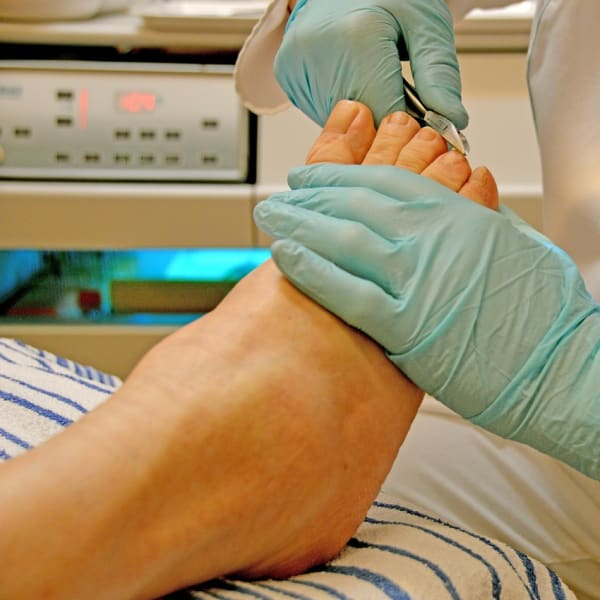
During a pedicure service, dry the feet well, including between each toe, and let clients know about Dr. Wolf’s recommendation to choose socks that wick moisture away from the skin.
Techs may want to keep natural ingredients on hand that are said to combat odor. Ask clients if they want you to incorporate them into a pedicure service. (Asking may not be necessary if you realize there is a problem even without the client mentioning it to you.) Some suggestions for ingredients include sliced lemons, sage leaves, or baking soda.
Creative techs may even market a pedicure specifically for clients with food odor problems. The service could include a black tea soak, with a small set of directions on how to care for feet at home.
If the client is comfortable enough to discuss the problem with you, ask her if other areas of her body, such as her palms and armpits, also sweat heavily. If so, recommend the client see her general practitioner to determine if there are larger health issues.