6 Ways Self-Love Will Help You Crush Your Goals
From breaking free of external validation to creating joy-based goals, discover a more sustainable and fulfilling path to success.
Think twice before applying a topical antibiotic to a client's wound — it may hinder the healing process.

*This article was originally published in 2019 but the information is evergreen. -- NAILS
Think twice before applying a topical antibiotic to a client's wound — it may hinder the healing process.
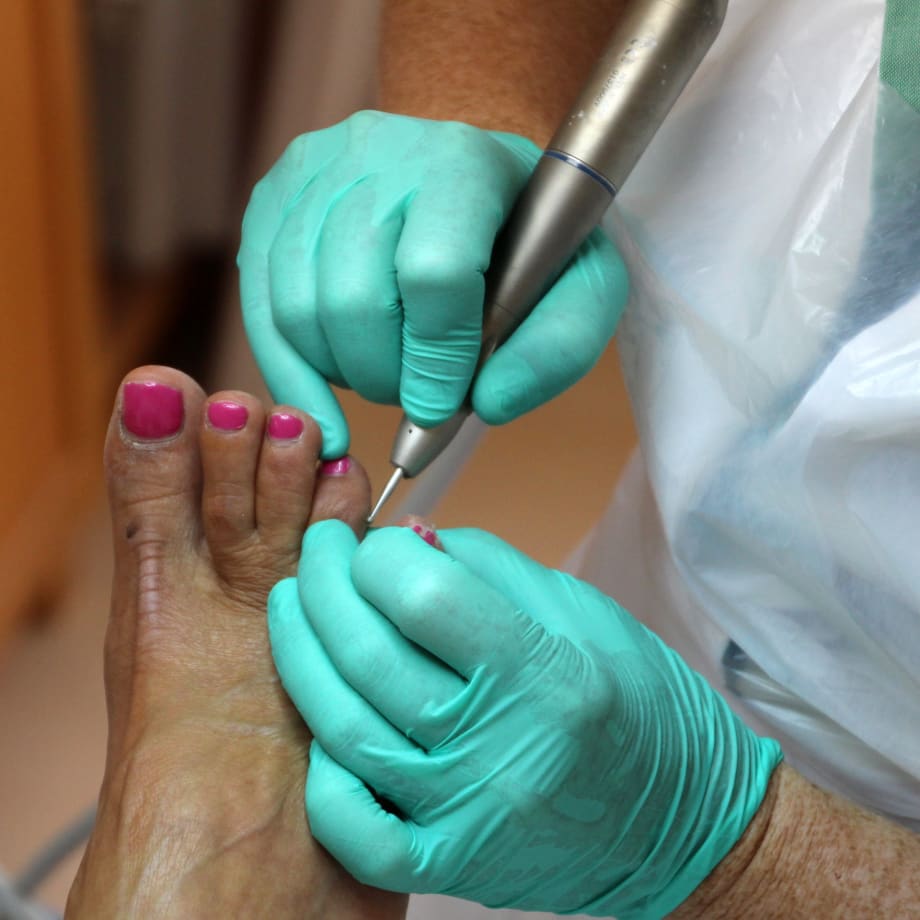
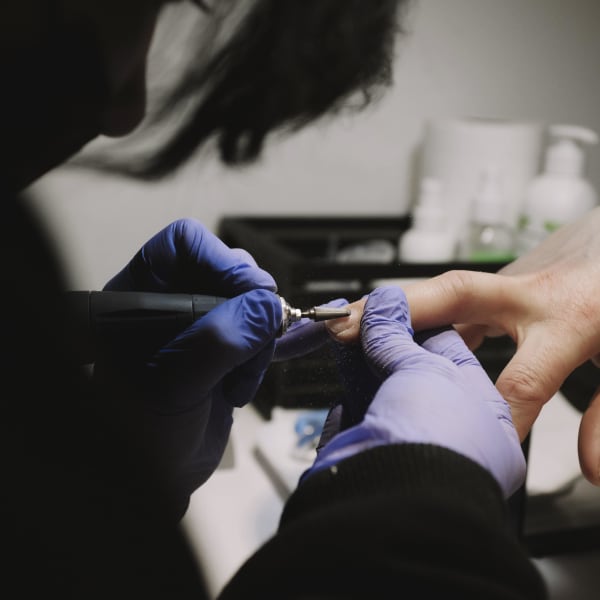
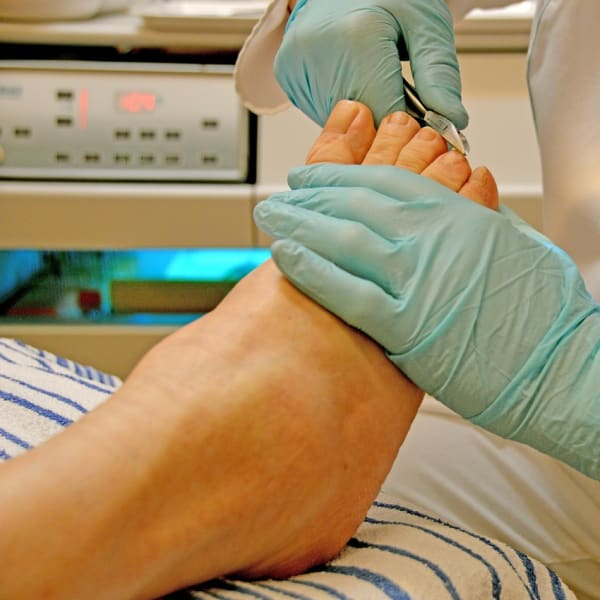
Anytime sharp or abrasive tools are used on a client during a pedicure, there's a possibility of inadvertently causing a nick or cut that bleeds. When this occurs, what do you do? Along with an apology, you might, out of habit, apply a topical antibiotic and a light dressing — a routine response. However, I would encourage you to reevaluate your protocol for this type of bleeding.
The client now has a wound on the foot, wich should be managed differently than a similar wound elsewhere on the body. Specifically, it has to do with the use of a topical antibiotic ointment. If your instruments have been properly disinfected or sterilized and the foot has been cleaned in fresh water, bacterial infections should not be an issue. Bleeding is the first step in wound healing. It washes away tissue debris and any bacteria that may be present.
A topical antibiotic ointment, although well intended, may very well interfere with this initial critical step in the healing process. IF you review the website for Neosporin, it indicates that their products are only to be used to prevent infections, but it does not indicate that hey are designed to treat or curean infection. The ointment will interfere with the natural washing (draining) process. This draining process is especially important in individuals who have diabetes or are smokers as they often have poorer blood flow to the toes.
What is the better alternative? At your workstation, keep a solution made from water, salt, and vinegar. I recommend 1 gallon of rom temperature water, 2 cups of Epsom salt, and 1/2 cup vinegar. The salt will encourage the draining process and the vinegar will keep bacteria that may be present. Wash the wound liberally with the solution and then apply a gauze bandage. Be sure that any tape applied is latex free. Then have the client soak the foot in the same formula. A single 30-minute soak should be all that is needed.
This protocol is even more important if there is an infection present at the time of caring for the client. An infection means that bacteria are already present. At this point, a referral to a podiatrist or family doctor (who will most likely refer to podiatry) is strongly recommeded. But if you find yourself in a situation where you must take care of the client, I suggest following the steps outline above. Again, a topical antibiotic ointment is specifically not recommended.
With over 30 years of experience treating every type of foot and ankle issue, Bruce A Pichler, DPM, MD, recently retired from his North Georgia podiatric practice. Now based in Asheville, N.C., he currently teaches health science classes at area colleges.


From breaking free of external validation to creating joy-based goals, discover a more sustainable and fulfilling path to success.

From acrylic monomers to airborne bio-dust, the air inside a nail salon carries risks most professionals never see coming. Aerovex Systems reveals the source-capture and room-purification strategies that are setting a new standard for salon safety.
Sponsored by Aerovex Systems

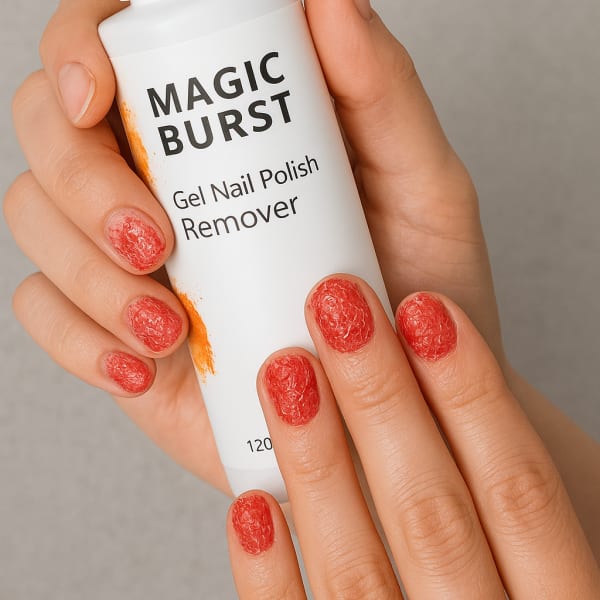
Products marketed as 'magic' or 'burst' gel removers may contain methylene chloride, a federally banned, highly toxic chemical.

Working in beauty doesn’t have to hurt. Learn how Somatic Movement helps hairstylists, lash artists, and other beauty pros release tension, improve posture, and extend their careers.

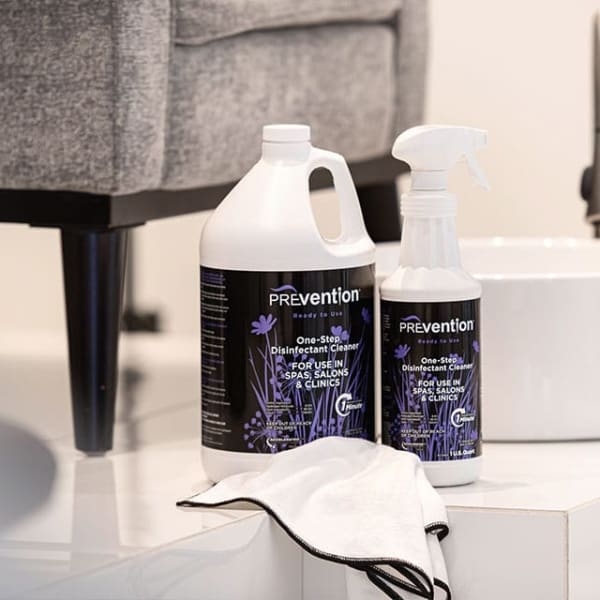
As a spa or salon professional, your clients expect more than just beauty—they expect safety, hygiene, and peace of mind. Fungal infections like Athlete’s Foot and Nail Fungus are more common than you think, especially in environments where tools and footbaths are reused without proper sanitation. This blog covers how to stop these issues before they start, using proven infection prevention strategies for salons and spas.

A federal initiative aimed at studying chemical exposure in nail salons has ended due to staffing and budget changes. Here’s what the project set out to do—and what its conclusion means for salon professionals.

For many people, a pedicure is a relaxing beauty ritual. But what most don’t realize is that this simple service, if done without proper hygiene and sanitation, can cause serious infections and long-term health issues.

Onycholysis is the separation of the nail plate from the nail bed. While it may look painful, it typically isn’t—at least not at first. But without proper care, this common nail disorder can lead to infections, deformities, and long-term damage.

Mckenzie Kool, Psychologist, MC, RPsych provides us with guidance on what may or not be helpful in speaking with someone who has suffered a significant loss.

Clients come to you to feel their best—not leave with a viral souvenir. Warts and cold sores can spread fast in busy salons, but a few smart habits make all the difference. Let’s talk about what’s really lurking in your salon (and how to kick it to the curb).

As Earth Day approaches, The Green Beauty Community Foundation and the Green Spa Network invite beauty pros to step forward and embrace sustainability through the Green Pledge--a powerful initiative designed by and for beauty industry leaders.

Don’t cancel Valentine’s Day altogether, urges Jill Palmquist. Instead, think of it as a (frilly, flowery, Champagne-bubbly) wake-up call to fall deeply in love with your own life.

Life coach and Culture Ambassador of Sam Villa, Andrew Carruthers, outlines how to tell if your burnout is temporary - or if it's time to make a bigger career change.

Cancer treatment can create very specific challenges for your guest when it comes to hair, skin, and also nails. Here are some tips for working with your salon client who is going through cancer treatment to help you provide a relaxing, enjoyable, and also safe experience.

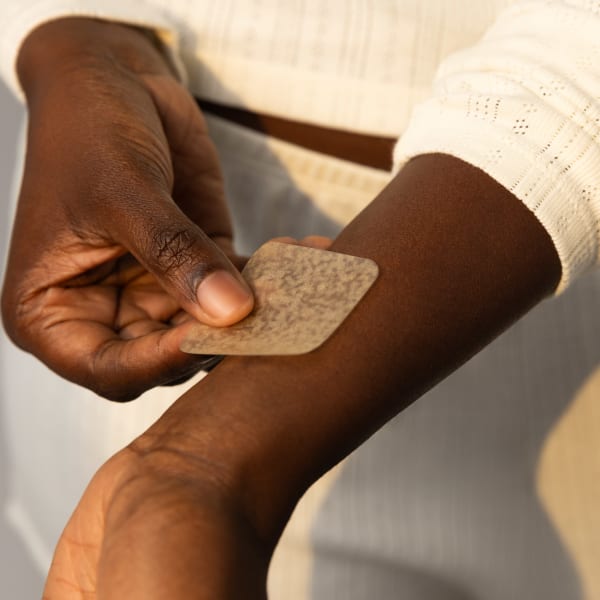
For those clients concerned about exposure from UV lamps, the Sun Patch might be a solution. Sun Patches are waterproof, reusable (up to 10 wears) block 98% of UVA/UVB rays, and maintain their UPF 50+ rating all day long.

One of the most common conditions that affects the nail is onycholysis, which is the separation of the nail plate from the nail bed. Onycholysis occurs as a result of or along with a great variety of nail traumas and disorders. Probably the most common cause of onycholysis is a fungal infection of the nail.

Hairdressing is a physically taxing career integrating simple stretches into your daily routine can reduce the strain repetitive motion puts on your body, help you stay flexible and strong and eventually prolong your career.