6 Ways Self-Love Will Help You Crush Your Goals
From breaking free of external validation to creating joy-based goals, discover a more sustainable and fulfilling path to success.
For the last 16 years, I have performed makeovers on women battling cancer and during that time, I have learned a ton of dos and don’ts. Here are 5 mistakes we may make when working with a salon client with cancer and how to correct them.

Photo: Kim Becker
I remember the day. I took a look at my schedule for the day to see who was coming in. I am sure that I am not the only one that has their favorite salon guests. I was excited that day because one of my favorite guests was on my schedule.
I remember noticing something different when she sat in my chair. Of course, I asked I she was ok. I watched her eyes fill with tears. She grabbed my hand and shared that she had just been diagnosed with cancer. Now my eyes were filling up with tears. At that moment all I could think to do was hug her.
This all took place very early in my career. I knew nothing about what to do and how to safely take care of a guest in my salon that had cancer. I realized that I had never been instructed in beauty school to take into account someone's compromised immune system. I know now looking back that I made mistakes...I am sure I made a lot of mistakes.
For the last 16 years, I have performed makeovers on women battling cancer. Through that time, I have learned a ton of dos and don’ts.
1. When shaving her head, I had her face in the mirror. This is one of the biggest mistakes that I made and it was common sense that told me that I should have done it differently. No one wants to watch large clumps of hair falling on the floor when they would rather keep their hair.
Turn her away from the mirror while you are shaving her head.
Work with a partner to sweep up her hair as it falls on the floor so she doesn’t have to see if lying there.
Ready her before you turn her to face the mirror after you have finished shaving her head.
2. Treating her like every other salon guest that sat in my chair. As I stated I didn’t know how to take care of a salon guest with a compromised immune system. I had no idea that there was a difference. I didn’t realize that there were special precautions that should have been taken.
I would schedule this salon guest during one of the slower times at the salon to reduce the risk of exposure to other salon guests.
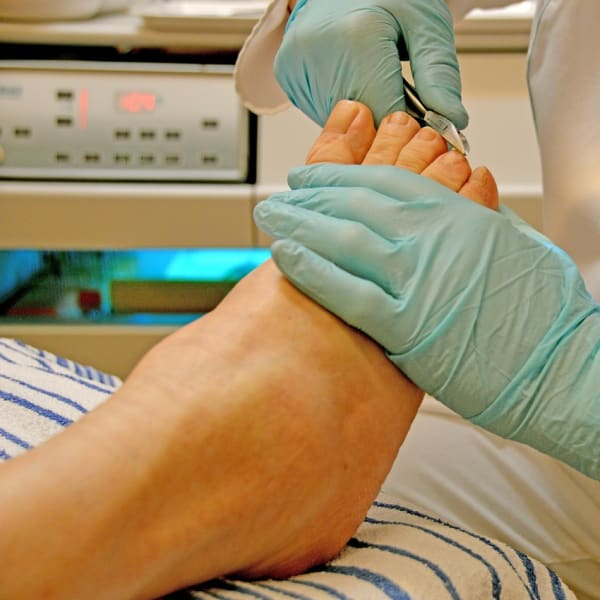
When performing a pedicure or manicure I would use disposable liners in the foot bath and the manicure bowl.
During a facial I would use disposable wash clothes, towels, pillowcases, and sheets. We use them once and then throw them away.
3. I took for granted that hair loss was a side effect of all cancer treatments. I learned very quickly that hair loss isn't a side effect of all cancer treatments. Different chemotherapy treats different cancers. It truly depends on the type of cancer. Now that doesn’t mean that the cancer treatment won't affect the hair in some way.
Don't be afraid to ask questions about her cancer treatment. If she is going to lose her hair, she will tell you.
Be prepared to guide her through the side effects on her hair if it stays. It may become brittle or very dry. It may even change colors.
Don’t minimize the fact that she has cancer even if she keeps her hair and doesn’t look sick. She still heard the words " You have cancer" and that can be an emotional roller coaster.
4. Not performing a patch test prior to applying color. I learned that cancer treatment can change things in the body, especially skin sensitivity. I can honestly say I was not always good at performing a patch test, but once I started working with women that had battled cancer, I was much more likely to take the time to do one.
If a salon guest is going through cancer treatment or has gone through cancer treatment, I would highly recommend performing a patch test to ensure that it is safe to proceed with the color service.
5. Sharing your personal experiences with loved ones with cancer. If you are going to share stories of your loved ones battling cancer, please be sure that the outcome was positive. She is scared and afraid of what to expect. She needs hope, not gloom and doom. Don’t share that your aunt had that same type of cancer and didn’t make it.
Share positive uplifting stories with her, stories that encourage.
When she comes into the salon, address her health and then move on. She may very well want to talk about something other than her cancer and its treatment.
Our job as a hairstylist isn't just about giving a good haircut or color, it's about building relationships and trust. She trusts you, especially with her beauty needs and especially during this time. Be prepared to have some of the answers and be willing to find the answers to the questions that she may have that you don’t know the answers to.
Most importantly just be there for her with a hug and a big smile and the confidence to let her know that she can count on you.
Originally posted on Modern Salon

From breaking free of external validation to creating joy-based goals, discover a more sustainable and fulfilling path to success.

From acrylic monomers to airborne bio-dust, the air inside a nail salon carries risks most professionals never see coming. Aerovex Systems reveals the source-capture and room-purification strategies that are setting a new standard for salon safety.
Sponsored by Aerovex Systems

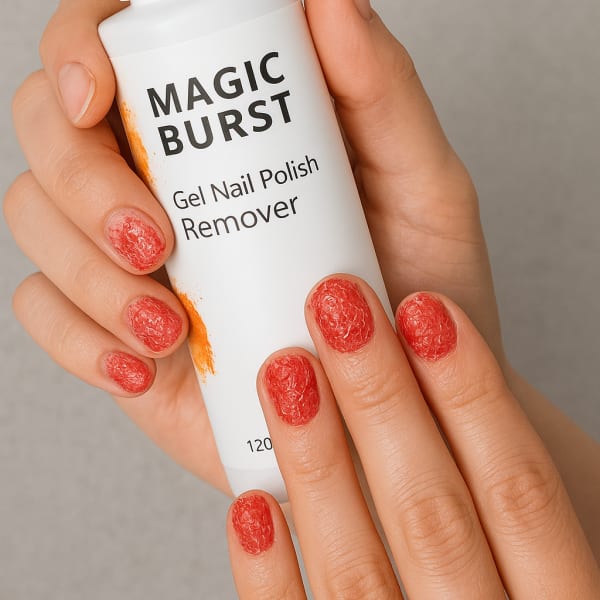
Products marketed as 'magic' or 'burst' gel removers may contain methylene chloride, a federally banned, highly toxic chemical.

Working in beauty doesn’t have to hurt. Learn how Somatic Movement helps hairstylists, lash artists, and other beauty pros release tension, improve posture, and extend their careers.

As a spa or salon professional, your clients expect more than just beauty—they expect safety, hygiene, and peace of mind. Fungal infections like Athlete’s Foot and Nail Fungus are more common than you think, especially in environments where tools and footbaths are reused without proper sanitation. This blog covers how to stop these issues before they start, using proven infection prevention strategies for salons and spas.

A federal initiative aimed at studying chemical exposure in nail salons has ended due to staffing and budget changes. Here’s what the project set out to do—and what its conclusion means for salon professionals.

For many people, a pedicure is a relaxing beauty ritual. But what most don’t realize is that this simple service, if done without proper hygiene and sanitation, can cause serious infections and long-term health issues.

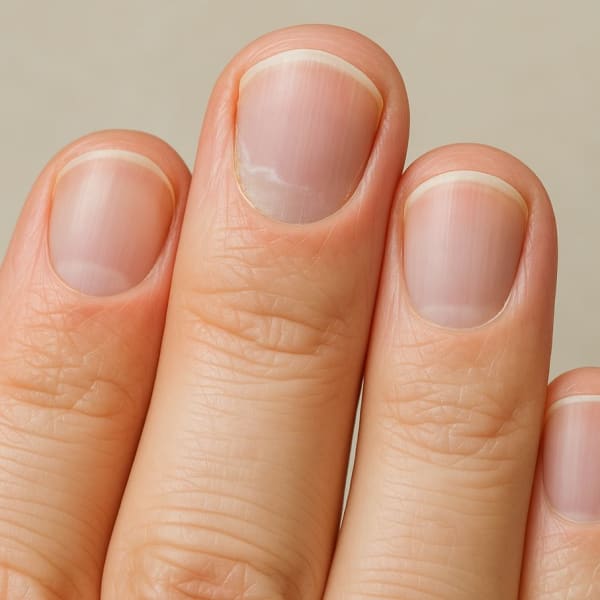
Onycholysis is the separation of the nail plate from the nail bed. While it may look painful, it typically isn’t—at least not at first. But without proper care, this common nail disorder can lead to infections, deformities, and long-term damage.

Mckenzie Kool, Psychologist, MC, RPsych provides us with guidance on what may or not be helpful in speaking with someone who has suffered a significant loss.

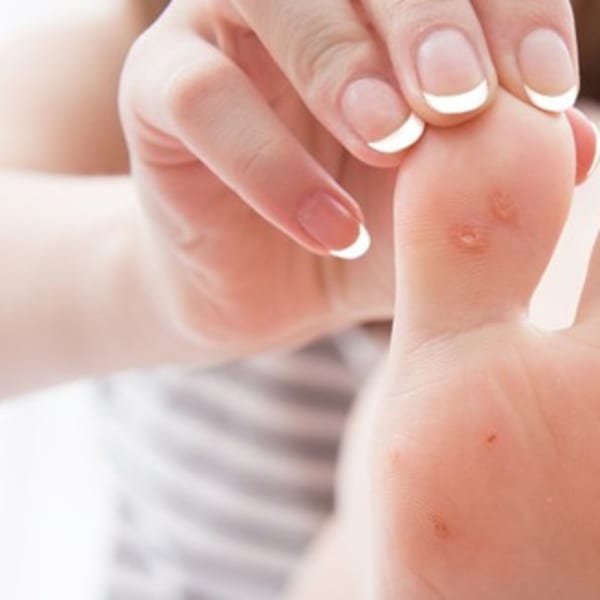
Clients come to you to feel their best—not leave with a viral souvenir. Warts and cold sores can spread fast in busy salons, but a few smart habits make all the difference. Let’s talk about what’s really lurking in your salon (and how to kick it to the curb).

As Earth Day approaches, The Green Beauty Community Foundation and the Green Spa Network invite beauty pros to step forward and embrace sustainability through the Green Pledge--a powerful initiative designed by and for beauty industry leaders.

Don’t cancel Valentine’s Day altogether, urges Jill Palmquist. Instead, think of it as a (frilly, flowery, Champagne-bubbly) wake-up call to fall deeply in love with your own life.

Life coach and Culture Ambassador of Sam Villa, Andrew Carruthers, outlines how to tell if your burnout is temporary - or if it's time to make a bigger career change.

Cancer treatment can create very specific challenges for your guest when it comes to hair, skin, and also nails. Here are some tips for working with your salon client who is going through cancer treatment to help you provide a relaxing, enjoyable, and also safe experience.

For those clients concerned about exposure from UV lamps, the Sun Patch might be a solution. Sun Patches are waterproof, reusable (up to 10 wears) block 98% of UVA/UVB rays, and maintain their UPF 50+ rating all day long.

One of the most common conditions that affects the nail is onycholysis, which is the separation of the nail plate from the nail bed. Onycholysis occurs as a result of or along with a great variety of nail traumas and disorders. Probably the most common cause of onycholysis is a fungal infection of the nail.

Hairdressing is a physically taxing career integrating simple stretches into your daily routine can reduce the strain repetitive motion puts on your body, help you stay flexible and strong and eventually prolong your career.