





The Beauty Pro Book Club: 4 Reads to Inspire Growth and Success
Four publications for beauty industry professionals to enhance their leadership skills, financial awareness, professional growth, and joy!
by Anne Moratto

 MENU
MENU SEARCH
The best salons today are outperforming their competitors by standing out — and they do this through strategic branding and design.
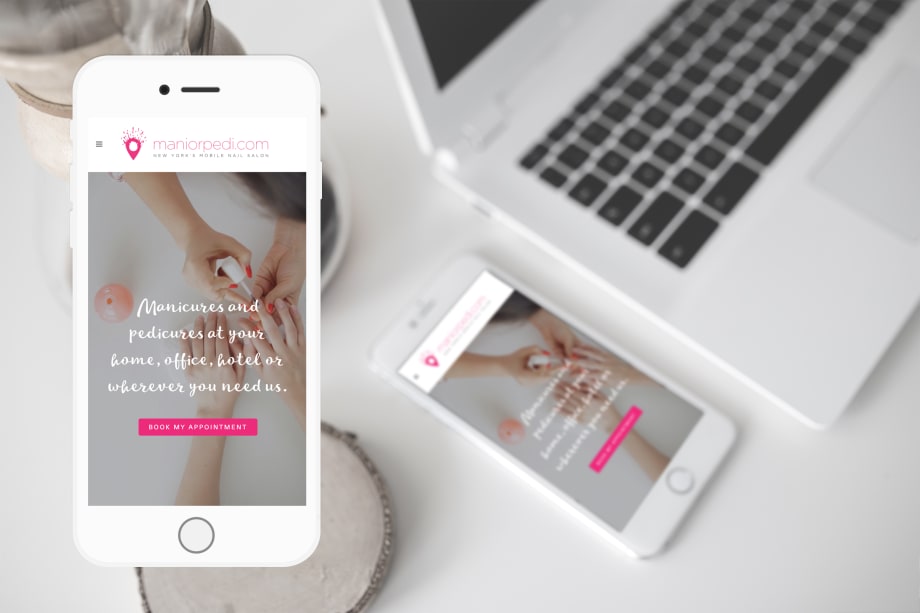
Location plays a huge factor in the success of your salon. However, the best salons today are outperforming their competitors by standing out — and they do this through strategic branding and design. Below are five ways to turn your salon into a competitive brand, in order of importance:
1. Develop a Brand Positioning. A brand positioning is basically a well-defined and relevant idea that a customer relates specifically to your salon. It’s what your customers remember about you and your salon long after they’ve visited. When developing a positioning, you have think about the one thing distinguishing your salon from other salons; it could be your salon only uses vegan products or state-of-the-art nail care products and equipment. Maybe your technicians are versed in a specific manicure or pedicure style from Japan. Whatever it is that makes you different should be used to your advantage. Be strategic, be thoughtful and be deliberate in your effort to connect with people in a unique way.
2. Work on Salon and Service Naming. A name means everything and can literally make or break your salon. Take the core idea you’ve developed from your brand positioning to create a meaningful name and tagline that resonates. For example, if you are using only vegan products or providing a unique service, and that is your big idea, then your name or tagline should clearly reflect this. We suggest creating several dozen names reflecting your positioning and asking friends and family what they think these names represent. For example, if they cannot clearly understand whether or not your salon is vegan from the name, then you’ve probably missed the mark. Lastly, when customers come into a salon, they don’t want to feel like they are just purchasing a commodity service, such as a “standard manicure.” Further distinguish your brand by creating simple yet delightful names for your services or products. Don’t stray too far from your salon’s brand positioning — keep the names connected to one another to build cohesive brand architecture.
3. Create a Brand Identity. A brand identity is more than just a salon logo, it’s the look and feel of the salon, its products and services, and how all of these pieces are experienced together. The goal behind every brand identity is visual consistency. When developing a brand identity for your salon, focus on developing the following key elements: logo, color, typography, shapes, textures, and imagery. When designing your salon logo, try to avoid cliché symbolism such as plants and flowers, or anything purchasable on stock image websites. These types of icons are easily accessible, and if you can access them, so can other salons and designers. We suggest using a portion of your budget to hire an experienced graphic designer to help you develop these core assets; tell them you want to avoid any stock iconography and give them some examples ahead of time of salons you like and admire. Also, spend another portion of your budget hiring a photographer (or several) to take in-salon photos; nothing will improve your brand image more than custom photography, and nothing will water your brand image down like stock images.
4. Develop a Verbal Identity. Brand positioning relates to the content of what you say about your salon, whereas verbal identity is how you’re talking about it, including the tone of voice. It matters a great deal more than you might imagine. When creating service menu descriptions, talking to customers over the phone, or writing website copy, use language and voice to meet your target customer. If you are at the high-end of the salon business and using expensive products, you should be deeply knowledgeable about those products and be able to discuss them eloquently. However, if you are a mid-market salon using mid-range products and attracting the everyday customer, a more casual, down-to-earth type of voice or writing style might be a better fit. However you develop your voice, be sure to keep things short and sweet.
5. Create and Enforce Brand Guidelines. The last part of building a competitive salon brand is wrapping everything that you’ve created above into a fancy brand booklet. This booklet will serve as a guide that instructs designers and staff members how you expect them to use and implement the brand. The booklet should be split up into three major sections: the story and positioning, brand identity system (visual and verbal), and design application. The brand positioning section should cover the foundation of the name you choose and your core story, along with the vision you have for the brand. This is great to use when onboarding new technicians to give them an idea of where your salon is heading. The brand identity system should have rules about how to use the logo, colors, typography, imagery, etc. Rules should include everything from how much white space to use around the logo to how large to set typography on the banner of a web page, and more. We suggest finding a graphic designer with expertise in branding to help you lay this out. The design application section should have several example templates of web pages, in-store displays, posters, business cards, or brochures. This is to show designers exactly how you want them to create these assets for you, no matter what designer you use. This is just the beginning of building a great brand. If you work on these five areas, you’ll be miles ahead of most salons. The moral of the story is this: If you do not actively define what your brand stands for, your customers will — and that’s not always a good thing.

Joseph Orr
Joseph Orr is one of the founders of maniorpedi.com, a New York-based mobile nail salon.
Four publications for beauty industry professionals to enhance their leadership skills, financial awareness, professional growth, and joy!
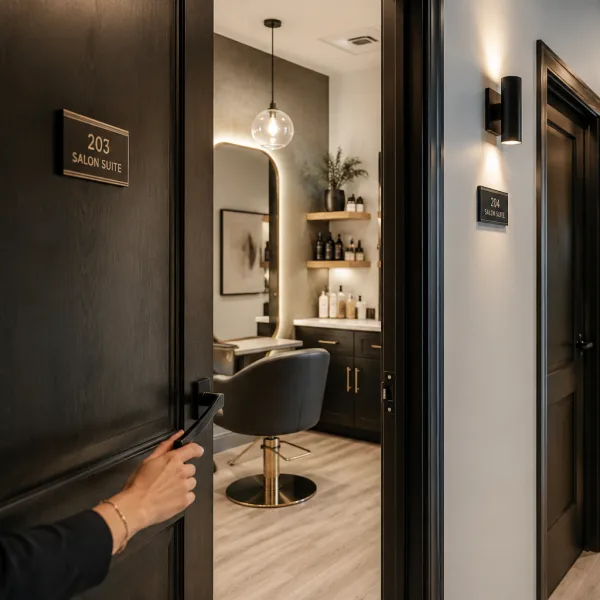
The most successful salon suites balance personality, function, and comfort. Megan Communale of My Salon Suite shares her best advice for designing a space that supports your business goals and leaves a lasting impression on every guest.
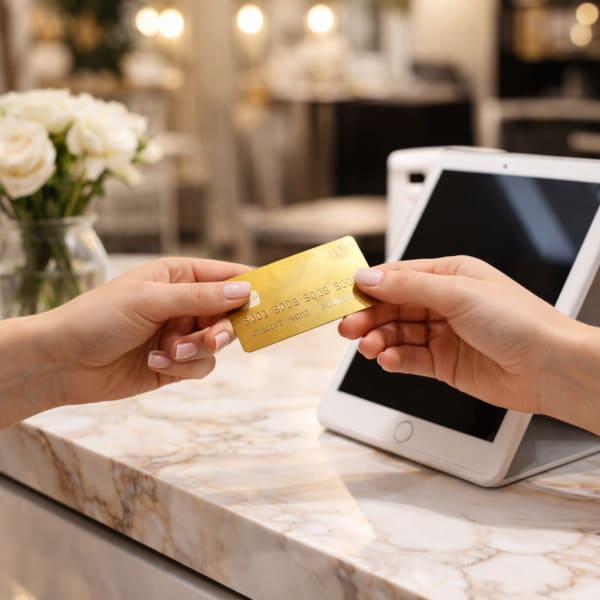
Square data shows that regular customers tip 11% higher and are shared across 32% of businesses in the same ZIP code, driving thousands of dollars in additional revenue per connection.
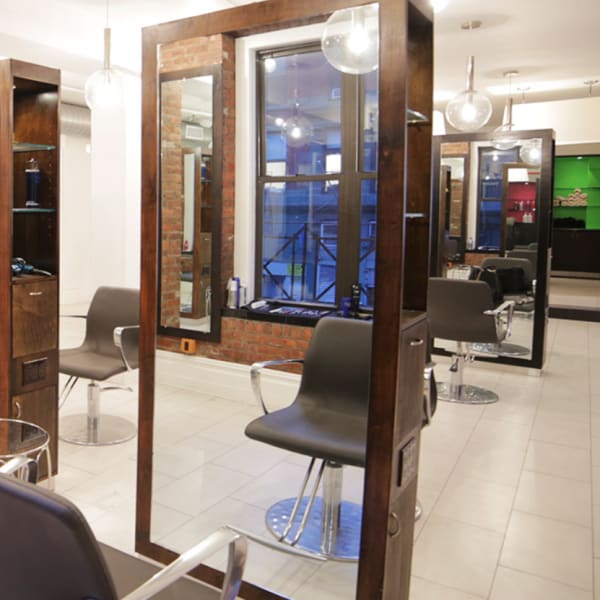
When Bowie Lau and Jeffrey Ching opened JBW Jeffrey Ching Salon in 2011, they weren’t just launching another luxury hair destination—they were building a business rooted in passion, artistry, and thoughtful growth.
Sponsored by Amex

Inside the Systems That Power an Elevated Salon Experience From seamless online booking to a team-first culture, J Gold Salon in Atlanta offers more than great hair—it delivers consistent, high-touch service with the help of partners like Boulevard and American Express.
Sponsored by Amex

Want to grow your career as a beauty professional? K18 Sales Manager Sabrina Sanborn shares advice on networking, mentorship, and self-advocacy—from attending hair shows to finding the right guidance to reach your goals.
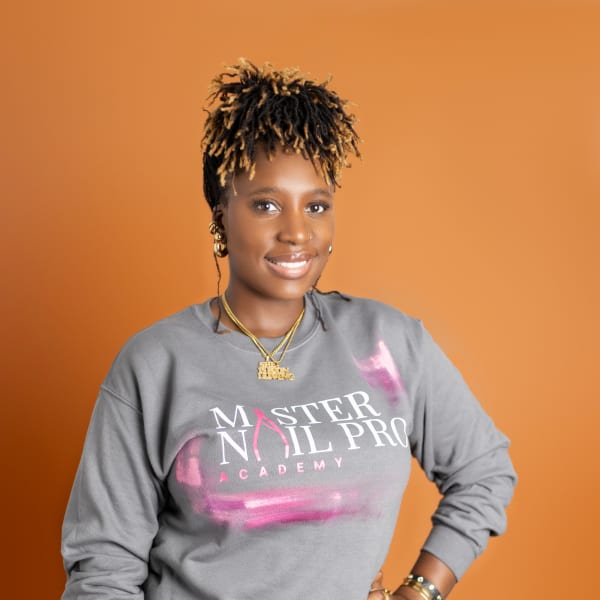
A combination of clear policies, effective communication, and strong client relationships has helped me create a more reliable and efficient booking system.
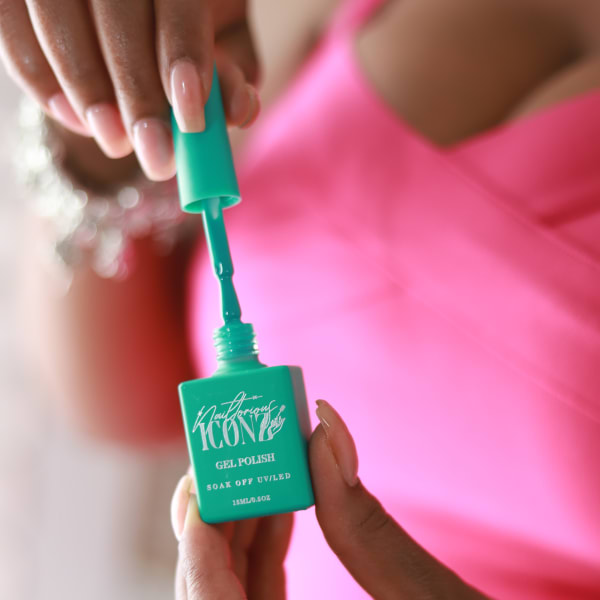
Founded by Cleveland serial entrepreneur Shaura Rodgers, Nailtorious has grown to include a nail supply megastore, training facilities, and retail line for nail techs.

This period after the holidays can bring on a huge lull for hairstylists. We asked Cosmo Prof's team of professionals to offer their best advice on how to deal with the January-February slow period.

Key highlights include a push toward inclusive spaces for all abilities, an emphasis on maximizing livable square footage, and a continued love for modern farmhouse exteriors.
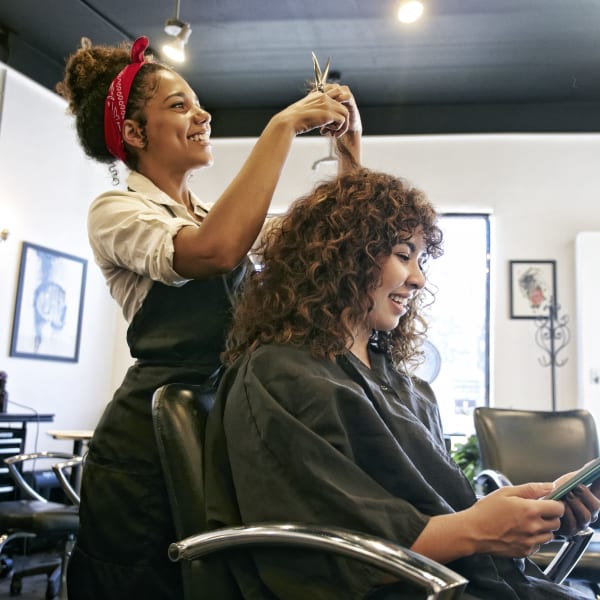
The busy holiday season is here, and with it comes jam-packed days, last-minute client requests and booming retail sales. For many salon owners, the highlight of the season is Small Business Saturday® (SBS). This year on Saturday, November 30, consumers can take their shopping into the small businesses in their communities.
Sponsored by Amex

Want to become savvy about your personal finances, but don't quite know where to start? Anna Manukyan identifies six important concepts for building a strong financial foundation.
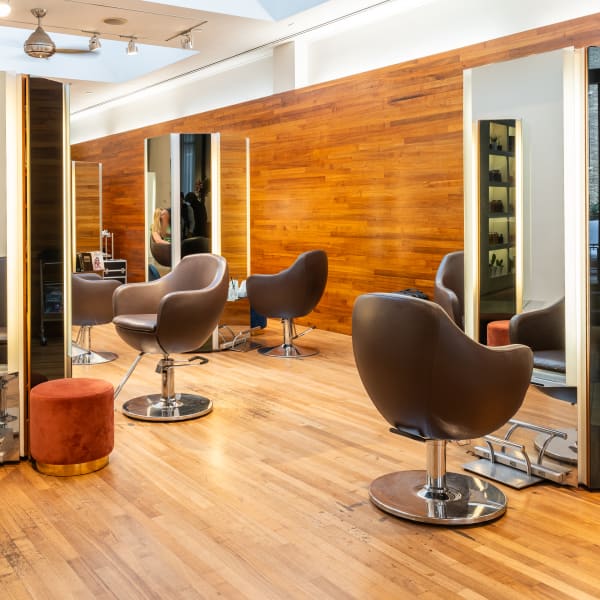
Salon owner Nuri Yurt had a dream of owning a salon on New York City’s Madison Avenue. "Through perseverance, hard work and stellar customer service, he and partner John Kaygisiz founded Toka Salon in 2007.
Sponsored by Amex

This guide is your one-stop shop for a plethora of technology tools, software and services created to keep your salon or spa thriving.

Anna Manukyan shares a breakdown of what different types of financial accounts should be used for.

Vagaro has consistently been at the forefront of salon software technology, helping businesses be more efficient, create more effective communication, and even improve company culture. Now, Connect by Vagaro, the platform’s two-way communication capability, and Vagaro’s new generative AI tools are giving owners new opportunities to grow and expand.
Sponsored by Vagaro

Young Nails' Greg, Habib, and Tracey discuss whether getting too close to clients can damage your business.