State boards governing the actions of professionals providing hand and foot beauty have been shaking up the regulations with new sanitation provisions. We set out to clear up the confusion and find out what’s happening in your neck of the woods.
After 19 hours on the phone, poring through hundreds of pages of regulations, and talking with nail techs and schools, one thing is clear — some of the regulations nail professionals must follow are confusing. It’s no wonder that state boards cite the top violations as those involving sanitation, disinfection, and sterilization.
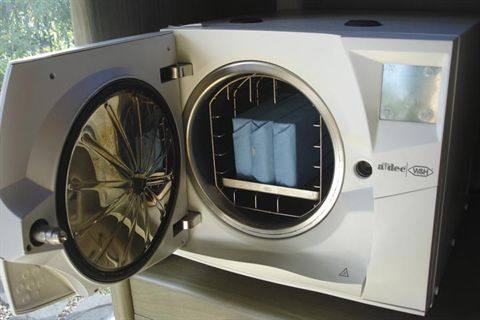
In 2006, panic swept through Texas nail salons as the state board proposed changes to the rules and regulations governing salon sanitation — specifically, the handling of metal implements. Talk of autoclaves dominated the professional posting boards. The expense, time, and necessity were questioned. After all, the proposal exceeded the requirements in medical facilities.
Ad Loading...
Fast forward. Today, language in state board regulations across the globe is changing rapidly. So rapidly, phone calls for information or clarification were met with long holds and requests to call back after some research. Most agencies pointed out the location of the information online but were happy to talk. Only one, Delaware, referred us to the public relations director. Huh? OK, maybe they have been burned by talking to the media.
What’s clear is that some of the confusion is warranted. Boards pass regulations that are at times in conflict with other laws or even the availability of devices on the market. Boards are diversified in an effort to get a good cross section of members. They include professionals from the beauty industry, consumers, educators, etc., but availability of information considering conflicts is still limited.
This is what happened in Texas when they revised the sanitation guidelines to require “that all metal manicure/pedicure instruments,” be sterilized “with an autoclave, dry heat, or ultraviolet light sterilizer that is listed with the FDA.”
Lorraine Sroufe, from the Texas Department of Licensing and Regulation, was happy to explain the law. It seems that when the regulation was passed, they had hoped to include three methods of sterilization for nail professionals to choose from; however, it is required that the unit be listed with the FDA for sterilizing. Since no UV sterilization units have been approved by the FDA, technicians must choose from listed dry heat or autoclave models. “Sterilization is in addition to the washing of implements in soap and water, then disinfecting in a wet sanitizer.” According to Sroufe, “This requirement has been effective in protecting the public.”
Iowa became the next player to step-up sanitation requirements to include sterilization (the act of destroying all living material, including spores). In February, they published the new requirements for sanitation for the cosmetology arts and sciences. According to the Department of Public Health, they have been met with little resistance — most likely because of current events in the news and the fact that salons are trying to portray a positive image. The Iowa regulations differ only slightly from those in Texas. In Iowa, nail professionals are not required to disinfect tools between the washing and sterilizing steps. And yes, dry heat sterilizers registered with the FDA are allowed here too.
Ad Loading...
Since autoclaves and dry heat sterilizers are an infrequent purchase, the cost should not adversely impact salons in the long run. They are easy to use and maintain, and are available in a wide range of unit sizes and levels of automation. The biggest concern seems to be choosing a unit that is too small for the volume of business, and later having to replace it. Distributors should be able to help figure out the proper model based on the volume of salon business and how much time employees have to monitor the unit. Costs can range from several hundred to thousands of dollars.
From the governing bodies we talked to, none of the other states currently require autoclaving or heat sterilization, but the language is starting to appear in the regulations. For instance, most states require the washing and disinfecting (with EPA-registered disinfectant) of all reusable implements and the immediate disposal of those that are single-use. Tennessee, Vermont, West Virginia, and Indiana are among those that require or suggest storing sanitized implements in a UV sanitizer. Utah pointed out they have some pending changes to the cosmetology regulations, but could not say if they involved sanitation. New Jersey and Georgia specifically list autoclaving as an acceptable form of sterilization, but stop short of requiring it. It’s important to point out that boards don’t have a problem with nail professionals using an autoclave as long as they carry out all of the other required steps. So, simply substituting an autoclave could leave you running afoul of your state’s requirements.
Failure to comply with the minimum standards set by the governing bodies, not only puts you and your client’s health at risk, it jeopardizes your professional license and that of the salon. Offenses can range from warnings, fines, loss of license, and salon closure to lawsuits (should a client be injured).
The best way to stay up to date and in compliance is to bookmark the webpage of your state board and visit it often. Mark your calendar to check out the updates and proposed law changes at least once a month and then hold a salon meeting to share the information. Read professional trade journals and network with other nail professionals. Call your state board if you have questions about the specific requirements. The state is happy to help; they view their role as educational, relying on self-regulation and compliance. They cannot be effective without the participation of professionals like you, so speak up, visit hearings, and share your insight on proposals. Together, the state and salons can reach a common goal — healthy, well-informed clients who support the economy, and trust the beauty industry.
Uncured gel polish and microscopic e-file dust contain active acrylates that penetrate the skin, triggering permanent contact dermatitis. Learn the chemistry behind these irritants and how to protect your clients and yourself.
The Good Patch is a leading wearable wellness patch brand, offering wellness and skincare patches that support everyday needs including energy, sleep, relaxation and more.
Orthopedic PT reveals three daily exercises plus ergonomic advice that can help salon professionals avoid the aches and injuries caused by standing, bending and repetitive overhead work.
From acrylic monomers to airborne bio-dust, the air inside a nail salon carries risks most professionals never see coming. Aerovex Systems reveals the source-capture and room-purification strategies that are setting a new standard for salon safety.
Working in beauty doesn’t have to hurt. Learn how Somatic Movement helps hairstylists, lash artists, and other beauty pros release tension, improve posture, and extend their careers.
As a spa or salon professional, your clients expect more than just beauty—they expect safety, hygiene, and peace of mind. Fungal infections like Athlete’s Foot and Nail Fungus are more common than you think, especially in environments where tools and footbaths are reused without proper sanitation. This blog covers how to stop these issues before they start, using proven infection prevention strategies for salons and spas.
A federal initiative aimed at studying chemical exposure in nail salons has ended due to staffing and budget changes. Here’s what the project set out to do—and what its conclusion means for salon professionals.
For many people, a pedicure is a relaxing beauty ritual. But what most don’t realize is that this simple service, if done without proper hygiene and sanitation, can cause serious infections and long-term health issues.
Onycholysis is the separation of the nail plate from the nail bed. While it may look painful, it typically isn’t—at least not at first. But without proper care, this common nail disorder can lead to infections, deformities, and long-term damage.
Mckenzie Kool, Psychologist, MC, RPsych provides us with guidance on what may or not be helpful in speaking with someone who has suffered a significant loss.
Clients come to you to feel their best—not leave with a viral souvenir. Warts and cold sores can spread fast in busy salons, but a few smart habits make all the difference. Let’s talk about what’s really lurking in your salon (and how to kick it to the curb).
As Earth Day approaches, The Green Beauty Community Foundation and the Green Spa Network invite beauty pros to step forward and embrace sustainability through the Green Pledge--a powerful initiative designed by and for beauty industry leaders.
Don’t cancel Valentine’s Day altogether, urges Jill Palmquist. Instead, think of it as a (frilly, flowery, Champagne-bubbly) wake-up call to fall deeply in love with your own life.
Life coach and Culture Ambassador of Sam Villa, Andrew Carruthers, outlines how to tell if your burnout is temporary - or if it's time to make a bigger career change.