The nail is an amazing structure, and a healthy nail is too hard and too dry for bacteria to invade.
by Staff
May 16, 1992
5 min to read
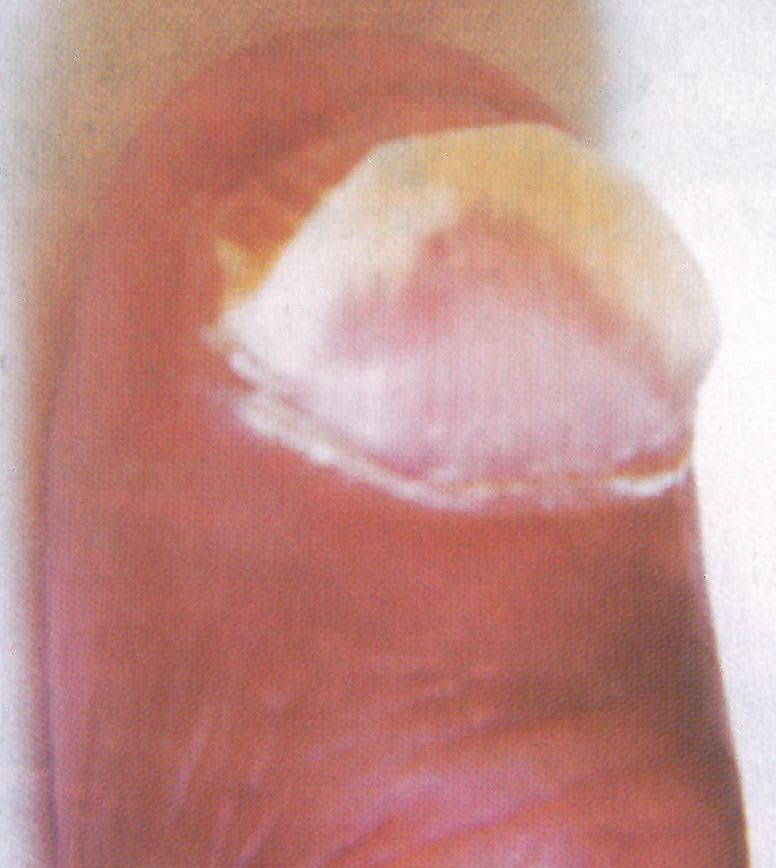
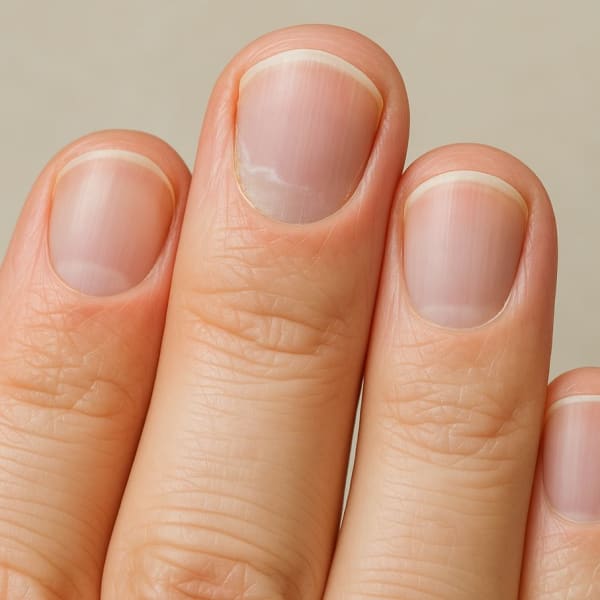
Q: The white area at the free edge of one of my long standing client’s natural nails changed shape and started progressing into the nail bed. I shortened the nail and she tried an over-the-counter topical medication, but the white area kept spreading. Her doctor said it was bacteria that could become an infection. I’ve seen this before and found soaking the affected nails in white iodine helps . I’ve been told this condition occurs when people wash their pets or do gardening without wearing rubber gloves. I’ve also heard it can be caused by emotional stress.
A: I feel very positive that this white area is not caused by bacteria. The nail is an amazing structure, and a healthy nail is too hard and too dry for bacteria to invade. There must be an injury or wet pocket around the nail for bacteria to grow.
Ad Loading...
You could have used nail products that dried out the nail plate and caused it to fracture, but it’s more likely that the problem is caused by an injury to the nail matrix that is making the nail prone to fracturing. Once the nail fractures, air enters the area and causes it to appear white.
Since I do not believe bacteria is involved, I don’t think white iodine will do anything except give the client something to do while the nail grows out. As with many nail disorders, the cure is more often achieved by time than by iodine.
Clients with normal, healthy nails shouldn’t worry about washing pets or gardening unless they wear acrylics. However, rubber gloves are always a good idea to protect the nails from dirt and bacteria that can become lodged under the nail.
I do believe stress influences many disorders, but I feel it is blamed for too many health problems. Until someone finds a biological mechanism to explain it, I don’t go overboard in blaming stress. I usually say to the patient, “Everyone says this is due to nerves. I don’t know what causes it.”But it is impossible for emotional stress to cause changes within the dead cells of a nail.
Q: The nail on one of my client’s middle fingers twists as it grows. She writes with that hand and the pen rests on the side of her finger, near the nail. It isn’t painful, but my client is embarrassed by it because she feels it’s unattractive. What causes the twisting and is there anything that can be done to correct it?
Ad Loading...
A: I like to think of the nail as mouldable, just like plastic. If you put pressure on the nail matrix (the mold), you change the shape of the nail. This client is obviously putting pressure on the area where the nail forms. I commonly see calluses near the nail from writing pressure. Encourage her to hold her pencil with her fingertips so that it doesn’t put pressure on or near the matrix. She also could put protective padding on the nail. School supply stores sell a simple device that helps beginning writers hold pencils or pens. It may also help your client write without putting pressure on the nail matrix.
Q: I read your article on allergic reactions to formaldehyde (February 1992). I have a client who has an allergic reaction just like you described on her thumbnail. She hasn’t worn acrylics in four years and she’s had the reaction ever since she started coming to me. She saw a doctor who gave her pills and a topical ointment. Nothing helps. After reading your article I stopped using formaldehyde products on her. Two months later it spread to two more fingers. Can anything else be going on?
A: The fact that more lessons developed two months after stopping use of formaldehyde nail products suggests that the products have nothing to do with the disorder. Additionally, a true allergy would most likely occur on all 10 nails. Many different health problems can produce inflammation under the nail or separation of the nail. These include psoriasis or other skin diseases, thyroid or hormone problems, arthritis, or vascular disease. Your client should see a dermatologist to determine the cause of her condition.
In the meantime, you can cover her nails with nail polish to conceal the defects. Don’t use formaldehyde products or penetrating nail hardeners. Unless she is allergic to the product you’re using, it won’t harm anything, and the client will feel much better about how her nails look.
Q: My client has been wearing acrylic nails for a year and a half. A few of her nails had a tendency to curl upwards and the index finger gave us the most problems. After six months of wearing acrylics, the nail on her index finger began to thicken near the free edge. At times it was tender to pressure. Two weeks after her last fill, the finger became red and swollen and I referred her to a doctor. He called it a fungus and said she would lose the nail. He prescribed antibiotic, and when the redness and pain were gone I removed all the product. After a few weeks the nail became crumbly, like the keratin was breaking down. A new nail has grown out now, but it’s beginning to thicken again. What is causing this? Is it formaldehyde allergy and what can be done to prevent the whole process from happening again? Will it spread to other nails?
Ad Loading...
A: The thickening skin under the nail is a result of chemical irritation from acrylics. See my column called “Acrylic Nail Reactions” (August 1991). The nail’s blood supply can be damaged by trauma or an infection such as the one your client suffered. This damage interferes with the nutrition of the nail and nail bed and causes the skin to thicken. The damage usually corrects itself in a few months, but sometimes it can be permanent.
I feel confident that this was not fungus. I think there was probably a secondary bacterial infection and that is what the doctor treated. There is no antibiotic that kills both fungus and bacteria. I think he recognized the bacterial infection and treated it.
While waiting for the damage to correct itself, you can make your client feel better by gently filing down the crumbling and thickening and coating her nails with polish.
Uncured gel polish and microscopic e-file dust contain active acrylates that penetrate the skin, triggering permanent contact dermatitis. Learn the chemistry behind these irritants and how to protect your clients and yourself.
The Good Patch is a leading wearable wellness patch brand, offering wellness and skincare patches that support everyday needs including energy, sleep, relaxation and more.
Orthopedic PT reveals three daily exercises plus ergonomic advice that can help salon professionals avoid the aches and injuries caused by standing, bending and repetitive overhead work.
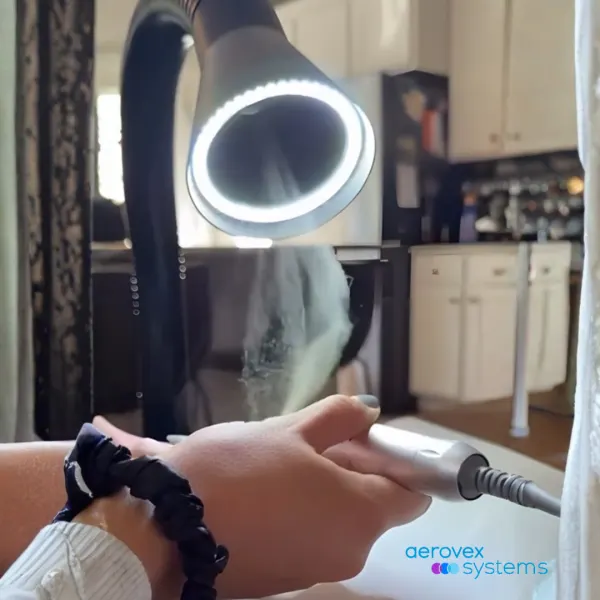
From acrylic monomers to airborne bio-dust, the air inside a nail salon carries risks most professionals never see coming. Aerovex Systems reveals the source-capture and room-purification strategies that are setting a new standard for salon safety.
Working in beauty doesn’t have to hurt. Learn how Somatic Movement helps hairstylists, lash artists, and other beauty pros release tension, improve posture, and extend their careers.
As a spa or salon professional, your clients expect more than just beauty—they expect safety, hygiene, and peace of mind. Fungal infections like Athlete’s Foot and Nail Fungus are more common than you think, especially in environments where tools and footbaths are reused without proper sanitation. This blog covers how to stop these issues before they start, using proven infection prevention strategies for salons and spas.
A federal initiative aimed at studying chemical exposure in nail salons has ended due to staffing and budget changes. Here’s what the project set out to do—and what its conclusion means for salon professionals.
For many people, a pedicure is a relaxing beauty ritual. But what most don’t realize is that this simple service, if done without proper hygiene and sanitation, can cause serious infections and long-term health issues.
Onycholysis is the separation of the nail plate from the nail bed. While it may look painful, it typically isn’t—at least not at first. But without proper care, this common nail disorder can lead to infections, deformities, and long-term damage.
Mckenzie Kool, Psychologist, MC, RPsych provides us with guidance on what may or not be helpful in speaking with someone who has suffered a significant loss.
Clients come to you to feel their best—not leave with a viral souvenir. Warts and cold sores can spread fast in busy salons, but a few smart habits make all the difference. Let’s talk about what’s really lurking in your salon (and how to kick it to the curb).
As Earth Day approaches, The Green Beauty Community Foundation and the Green Spa Network invite beauty pros to step forward and embrace sustainability through the Green Pledge--a powerful initiative designed by and for beauty industry leaders.
Don’t cancel Valentine’s Day altogether, urges Jill Palmquist. Instead, think of it as a (frilly, flowery, Champagne-bubbly) wake-up call to fall deeply in love with your own life.
Life coach and Culture Ambassador of Sam Villa, Andrew Carruthers, outlines how to tell if your burnout is temporary - or if it's time to make a bigger career change.