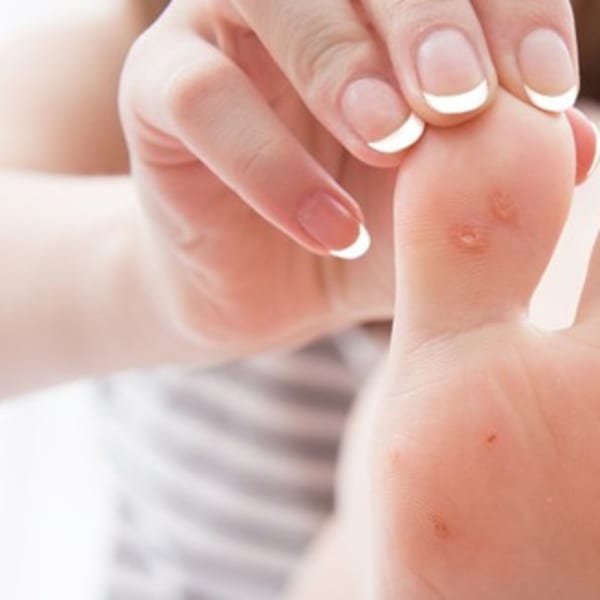
"My client’s big toenail’s side walls curve so much that they nearly meet. The middle section of the nail is sore because both ends are pinching the skin. What can I do to relieve this pressure?"
by Nellie Brown, Godfrey Mix, and Doug Schoon
March 1, 1997
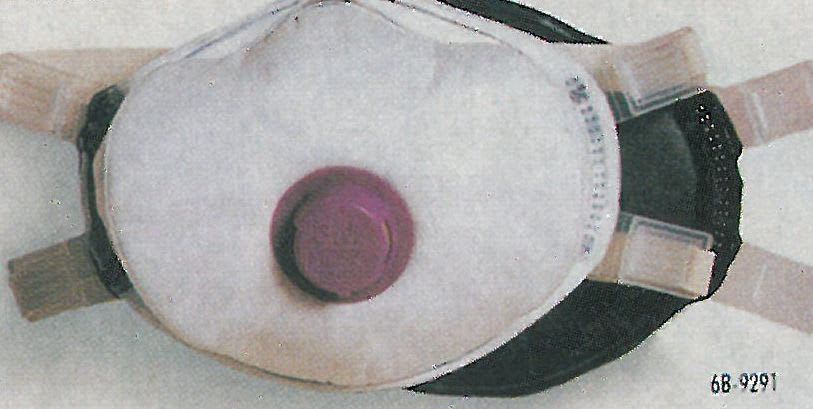
A HEPA filter mask (also called a respirator) like this one does an excellent job filtering out smaller dust particles, pollen, and spores from your breathing zone.
6 min to read
Q: My client’s big toenail’s side walls curve so much that they nearly meet. The middle section of the nail is sore because both ends are pinching the skin. What can I do to relieve this pressure?
Dr. Mix: What you are describing is the classic trumpet, or pincer, nail. The nail margins are parallel with each other when they arise from the matrix. The margins then begin to curl in on themselves and pinch the underlying nail bed. If the nail is allowed to grow out beyond the free edge of the toe, it will turn completely on itself, thus resembling a trumpet.
Ad Loading...
This condition can occur on any of the toenails, and it can be inherited. Other conditions that cause pincer nails are psoriasis, a bone spur pushing up under the nail plate, an injury, inflammatory arthritis, chronic infections, old age, neglect, and in some cases, tight-fitting shoes.
I see this condition often in my practice. Fingernails can also be affected by this condition; when this is the case, I suspect that inflammatory arthritis or a bone spur is the cause.
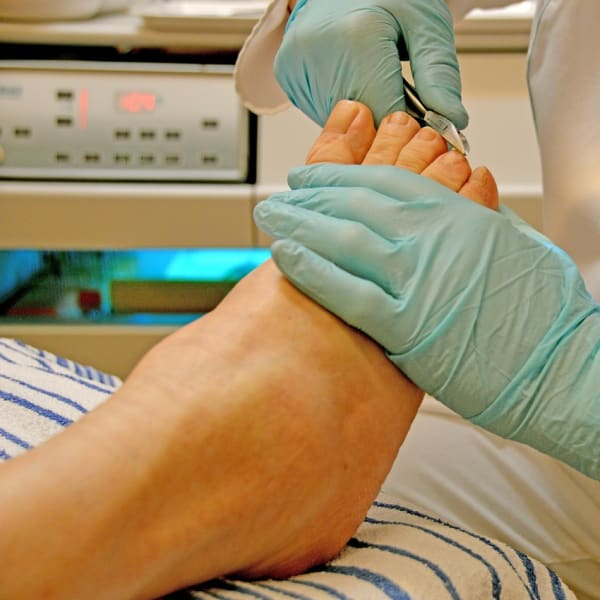
The pressure from the nail on the underlying tissues is what causes the pain. This pressure can even cause a callus or corn to form in the nail groove, and can become acutely painful. To relieve the pain and pressure, the lateral nail margins (sidewalls) must be trimmed back along the nail groove. This nail cannot be trimmed straight across and be comfortable. If there is a callus in the groove, it can be gently lifted out with a curette (a small, spoon-shaped instrument) or an orangewood stick after trimming the nail. This will instantly relieve the pain, and your client will be forever grateful.
Use a proper toenail nipper with a pointed jaw to carefully trim the nail. If the condition is severe enough, the podiatrist might permanently remove the margins. In some severe cases, and particularly in lesser toes, the treatment of choice is to permanently remove the entire nail. If it is imbedded too deeply or if there are signs of infection, refer the client to a podiatrist.
Q: I have been a nail technician for 15 years. In the last few years, I have developed a cough that is worsening. For a year now, I have been having asthma symptoms that last for just a few minutes at a time when I do acrylic nails, apply polish, and work with scented lotions. My doctor says I have reactive airway disease, not true asthma. He prescribed Claritin and Vancenase nasal spray. We have a ventilation system in the wall with intakes at each workstation and vented tables in the salon where I’ve worked since last March.
Ad Loading...
I love my work and my clients, and ‘ don’t wish to leave the profession.
Nellie Brown: Your reactions to acrylic, nail polish, and scented lotions suggest that your symptoms may be triggered by items that are potential irritants or by items with low odor thresholds (meaning that even a small amount of the odor-releasing particle emits a strong smell) to which you are exposed by inhalation. When considering exposure to chemicals in the workplace, also review the cleaning and maintenance products used in the salon.
You can substitute unscented products for highly scented ones. Sometimes fragrances are formulated with benzophenone, which intensifies the fragrance. Don’t use room air fragrances, potpourri, products warmed to give off fragrance, or other air- scenting products. While these can make the work environment pleasant for many people, the fragrance load in the room plus the odors from the nail services can overwhelm someone with reactive airways.
Keep your product containers closed when they’re not in use to decrease evaporation, and use pump spray bottles instead of aerosol dispensers. (Adjust the pump to deliver large droplets instead of a fine mist.)
A ventilation system that dilutes and removes contaminants from the work area would be effective. (The one you describe sounds right, although your workstation may need to be moved.) The best arrangement would be for the fresh air entering the room to come in from above or behind you so you receive the fresh air first, then after the air picks up any contaminants from your work, it is exhausted away from your workstation. Check the salon to see whether the amount of fresh air(not recycled) your system produces meets the recommendations of ASHRAE (American Society for Heating, Refrigeration, and Air-conditioning Engineers; this group’s standards are very well-respected and tend to be incorporated into building codes).
Ad Loading...
If the salon’s vented tables draw air downward into a filter system, check the filter itself and clean or change it regularly. Wearing a simple paper filter mask prevents inhalation of coarse dust; for excellent protection from dusts, there are now some relatively inexpensive, disposable HEPA (high-efficiency particulate air) filter masks on the market. A HEPA filter mask will remove dust particles as small as mold spores and pollen, but doesn’t reduce exposure to solvent vapors. The mask looks very much like a simple filter mask.
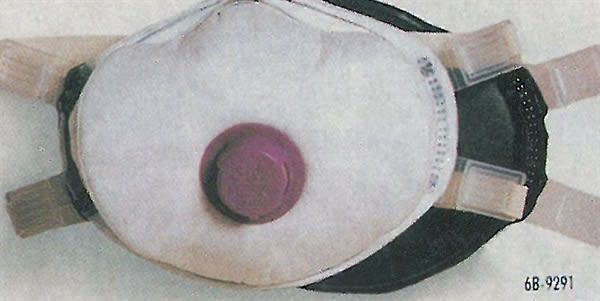
A HEPA filter mask (also called a respirator) like this one does an excellent job filtering out smaller dust particles, pollen, and spores from your breathing zone.
Doug Schoon: Your doctor is probably correct. Overexposure to vapors found in nail salons does not cause asthma, but overexposure can mimic the symptoms typically associated with asthma. Your ventilation system seems ideal, but it turns out that you aren’t using it properly. You work much too far from the intake vent, which probably resulted in overexposure to vapors, dust, and particles. Working closer to the vent and wearing a dust mask should lower your exposure to safe levels and eliminate the problem. Nail technicians can further lower their exposure to vapors by using trash cans with self-closing lids, practicing good housekeeping, and putting caps or covers on products immediately after use.
Q: How does a nail technician or salon owner go about establishing a professional referral relationship with a dermatologist or podiatrist?
Dr. Mix: Podiatrists and dermatologists as a group like to discuss problems as they relate to their fields of interest. Basically, doctors are teachers who show our patients how to become (and stay) healthy.
Start by asking clients for a doctor with whom you can begin a professional relationship. Ask questions about the doctor’s personality, schedule, and field of expertise.
Ad Loading...
You can write a letter of introduction and mention you share a client/patient I recommend that you approach a physician to consult about a particular client’s problem rather than calling to establish a relationship at the start Call the doctor’s office, identify yourself as a professional nail technician and explain that you would like to speak with the doctor about your client’s problem.
The hardest part of being able to talk to the doctor is getting past the receptionists, who are extremely protective of the doctor’s time and privacy. Be humble; once the receptionist understands you are not trying to intrude for a trivial matter, you will probably get access to the doctor. Be patient waiting for a returned call, as it may be several hours or even days.
When you speak to the doctor, introduce yourself and explain in detail what the problem is and that you are seeking professional information about it. Once the doctor senses that you are concerned about your client’s welfare, she will most likely be willing to talk to you.
Another way to meet a doctor is by going to your local hospital and finding the names of heads of the dermatology and podiatry sections of the hospital staff. The professional relations or medical records departments of the hospital should be able to help you do this. Contact these doctors and ask about educational programs in their department and if a lay person may attend.
If you are intimidated by the thought of contacting a doctor on your own, get a group of nail technicians together who want to learn more about dermatologic or podiatric problems. Then contact the local podiatry or dermatology society and ask for a speaker.
Uncured gel polish and microscopic e-file dust contain active acrylates that penetrate the skin, triggering permanent contact dermatitis. Learn the chemistry behind these irritants and how to protect your clients and yourself.
The Good Patch is a leading wearable wellness patch brand, offering wellness and skincare patches that support everyday needs including energy, sleep, relaxation and more.
Orthopedic PT reveals three daily exercises plus ergonomic advice that can help salon professionals avoid the aches and injuries caused by standing, bending and repetitive overhead work.
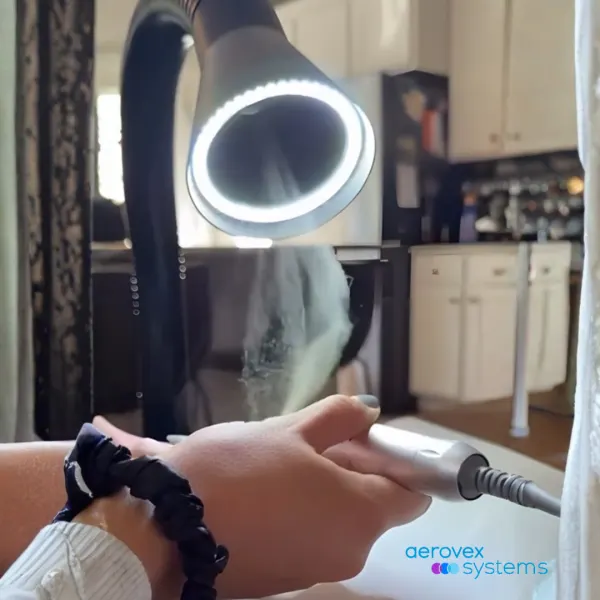
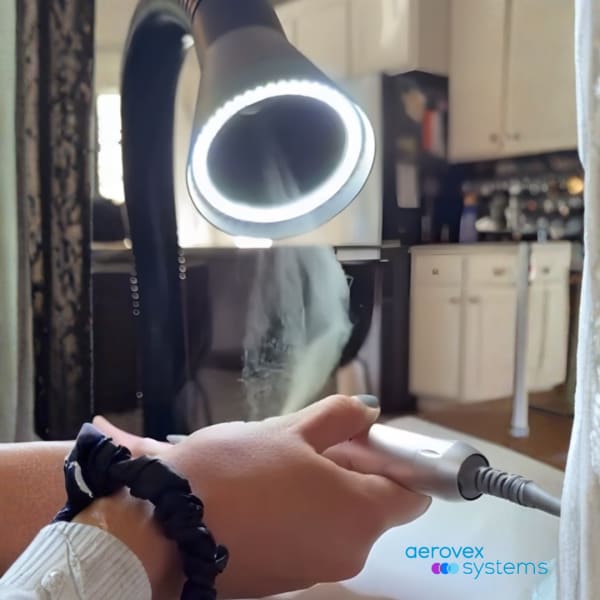
From acrylic monomers to airborne bio-dust, the air inside a nail salon carries risks most professionals never see coming. Aerovex Systems reveals the source-capture and room-purification strategies that are setting a new standard for salon safety.
Working in beauty doesn’t have to hurt. Learn how Somatic Movement helps hairstylists, lash artists, and other beauty pros release tension, improve posture, and extend their careers.
As a spa or salon professional, your clients expect more than just beauty—they expect safety, hygiene, and peace of mind. Fungal infections like Athlete’s Foot and Nail Fungus are more common than you think, especially in environments where tools and footbaths are reused without proper sanitation. This blog covers how to stop these issues before they start, using proven infection prevention strategies for salons and spas.
A federal initiative aimed at studying chemical exposure in nail salons has ended due to staffing and budget changes. Here’s what the project set out to do—and what its conclusion means for salon professionals.
For many people, a pedicure is a relaxing beauty ritual. But what most don’t realize is that this simple service, if done without proper hygiene and sanitation, can cause serious infections and long-term health issues.
Onycholysis is the separation of the nail plate from the nail bed. While it may look painful, it typically isn’t—at least not at first. But without proper care, this common nail disorder can lead to infections, deformities, and long-term damage.
Mckenzie Kool, Psychologist, MC, RPsych provides us with guidance on what may or not be helpful in speaking with someone who has suffered a significant loss.
Clients come to you to feel their best—not leave with a viral souvenir. Warts and cold sores can spread fast in busy salons, but a few smart habits make all the difference. Let’s talk about what’s really lurking in your salon (and how to kick it to the curb).
As Earth Day approaches, The Green Beauty Community Foundation and the Green Spa Network invite beauty pros to step forward and embrace sustainability through the Green Pledge--a powerful initiative designed by and for beauty industry leaders.
Don’t cancel Valentine’s Day altogether, urges Jill Palmquist. Instead, think of it as a (frilly, flowery, Champagne-bubbly) wake-up call to fall deeply in love with your own life.
Life coach and Culture Ambassador of Sam Villa, Andrew Carruthers, outlines how to tell if your burnout is temporary - or if it's time to make a bigger career change.